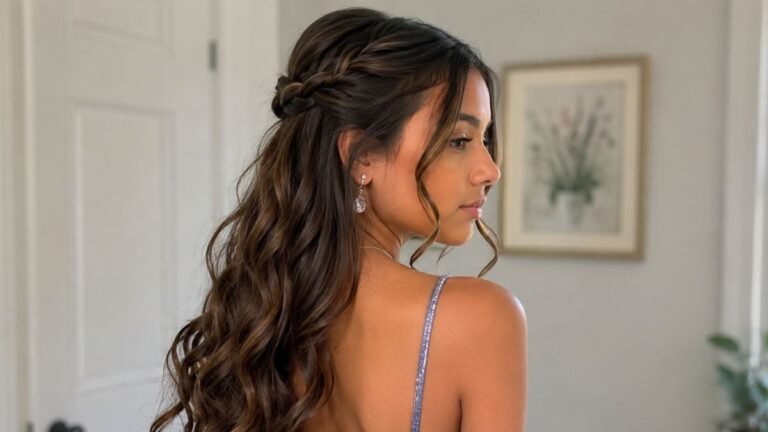

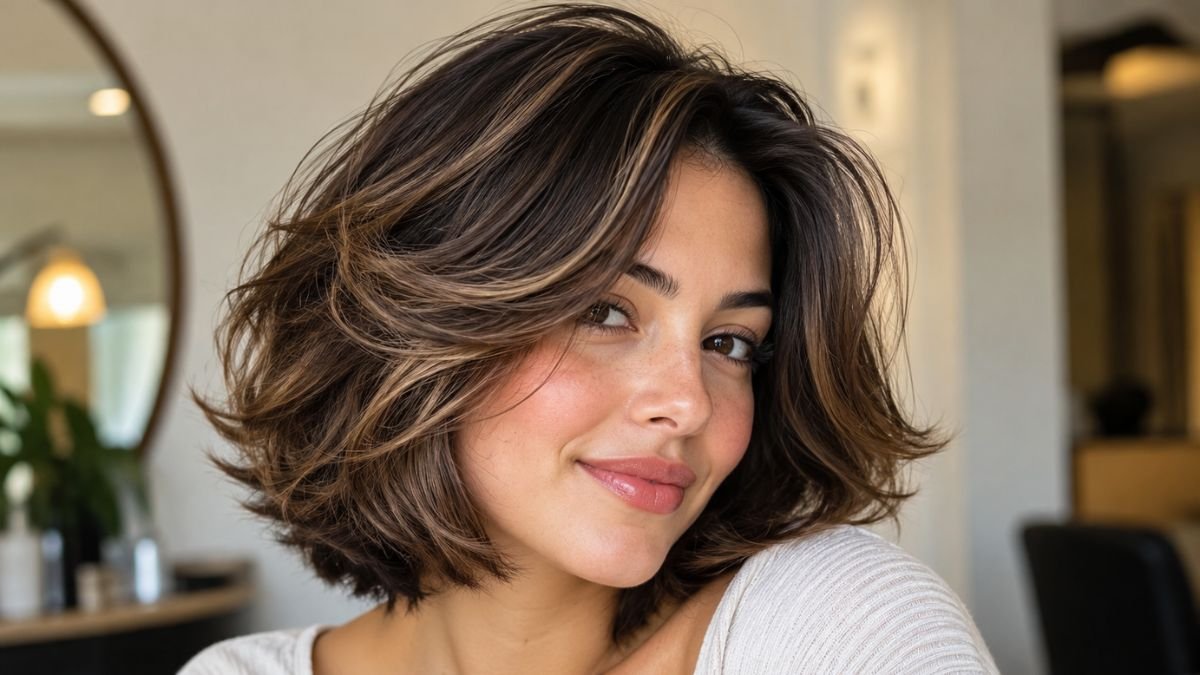
The butterfly bob takes the airy, face-framing layers of the long butterfly cut and fits them into a jaw-to-collarbone shape. Shorter pieces open around the cheekbones, softer layers lift the crown, and the ends curve outward with a quick blow-dry. It suits winter well because the shorter length stays clear of scarves, high collars and chunky knits. The cut depends on two details: where the first layer starts and how much weight your stylist leaves at the perimeter. Below are eight versions to bring to the salon, plus styling and maintenance advice for the colder months.
If you love the shape but want to keep your length, our guide to butterfly haircuts for long hair covers the original version of the cut.
What Is a Butterfly Bob?
A butterfly bob is a short bob or longer lob cut with blended layers, shorter pieces around the face and a soft, mobile outline. A blunt bob puts all of its weight at one clean perimeter; the butterfly version spreads movement around the face and crown instead. Compared with a shaggy bob, it keeps a fuller baseline, so the ends look polished rather than choppy. Stylists usually describe its defining features as face-framing layers, tapered length and airy volume at the crown. For more ways to wear shorter lengths, browse our roundup of short hairstyles for women.
8 Ways to Wear the Butterfly Bob This Winter
Airy Collarbone Butterfly Bob
This is the easiest entry point if you are cutting down from long hair. The back sits at or just below the collarbone, long enough to clear a sweater collar, while light layers start around the chin and fall toward the shoulders. Ask your stylist to keep the perimeter solid and remove only a little weight through the mid-lengths. To style, rough-dry to about 80 percent, then use a large round brush to turn the front pieces back and away from the face. A light mousse at the roots gives lift that lasts through a day under a hat. It works especially well on medium to thick hair and for anyone nervous about going too short.

Cheekbone-Framing Butterfly Bob
Shorter face-framing pieces are what separate this version from an ordinary lob. The front layer opens right at the cheekbone, then blends down into the sides so there is no visible step. It draws attention to the eyes and cheekbones and softens a strong jawline. On dense hair, ask for internal weight removal, such as point cutting or slide cutting inside the layers, so the front pieces actually move. On finer hair, ask for fewer, longer layers so the ends keep their substance. Blow-dry the front sections forward first, then roll them back over a round brush for that open, winged shape. Expect to refresh the front every six to eight weeks.
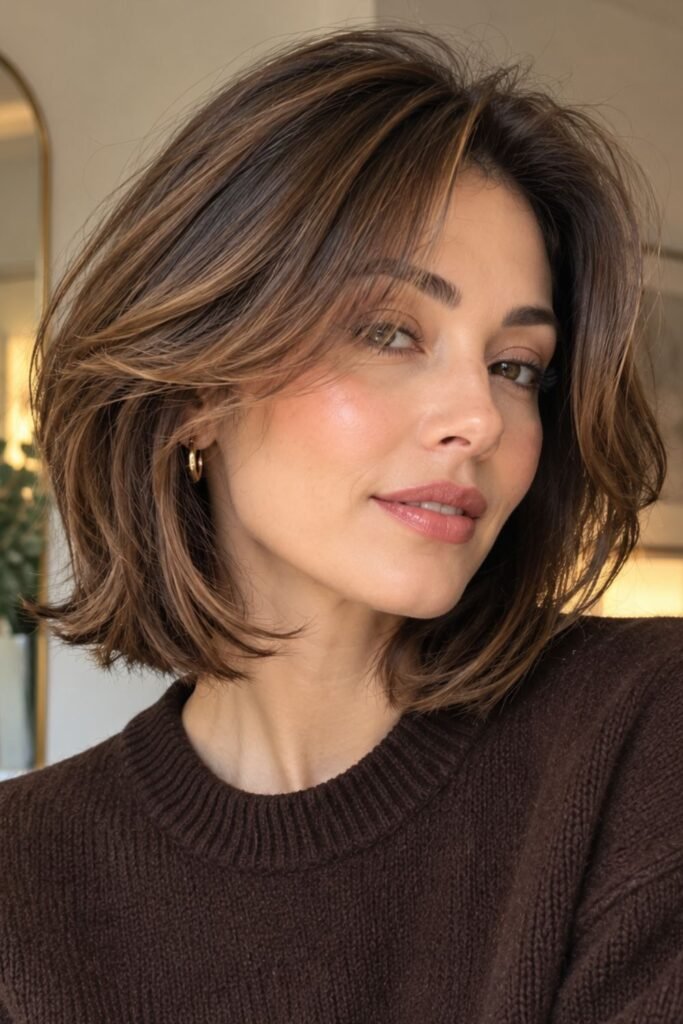
Bouncy ’90s Blowout Butterfly Bob
A full blowout shows off the layering better than any other finish, and this ’90s-inspired version is the one most people picture when they hear the name. Apply a volumizing mousse at the roots and a heat protectant through the lengths. Dry the crown with your head tilted forward for lift, then use a round brush to direct each front section away from the face. Let the ends curve softly instead of flipping them hard. Setting the front and crown in large Velcro rollers for 10 to 15 minutes while you do your makeup locks in the bounce. Finish with a flexible-hold hairspray so the shape still moves when you turn your head.
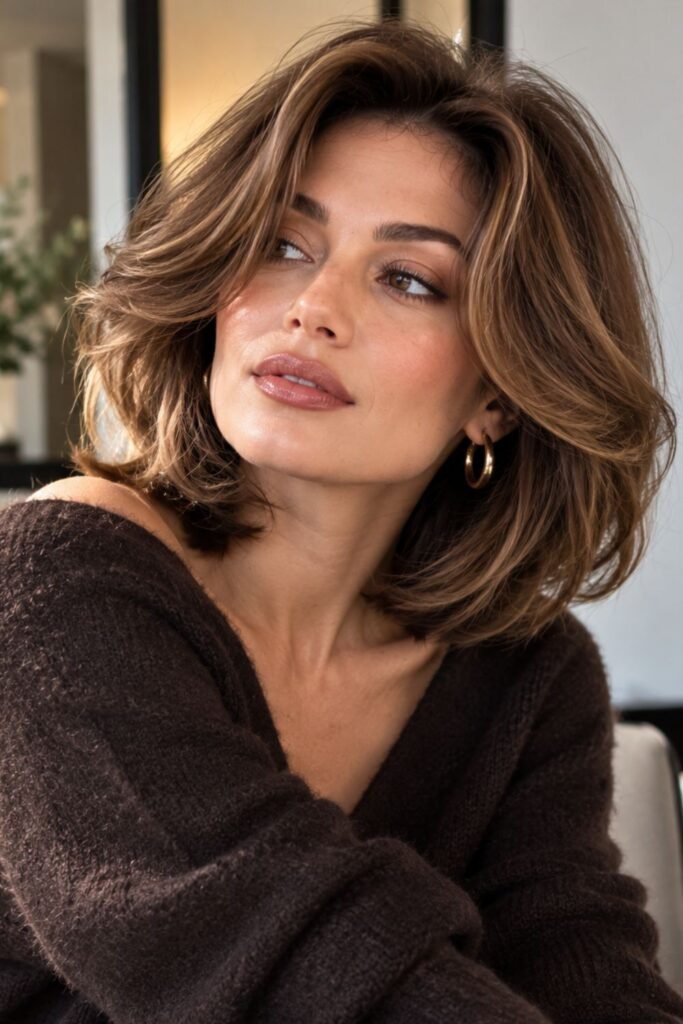
Soft-Wave Butterfly Bob
Loose waves break up the outline at different heights, which makes the contrast between the short face-framing layers and the longer baseline easy to see. Use a 1.25-inch curling iron or a flat iron and work in broad, two-inch sections. Alternate the direction of each wave, leave the last inch of each section straight, and wrap the front pieces away from the face. Rake through the waves gently with your fingers once they cool. If your hair is naturally wavy, scrunch in a light mousse and diffuse on low heat instead, since the layers often give enough definition on their own. A texture spray adds grip for second-day hair.
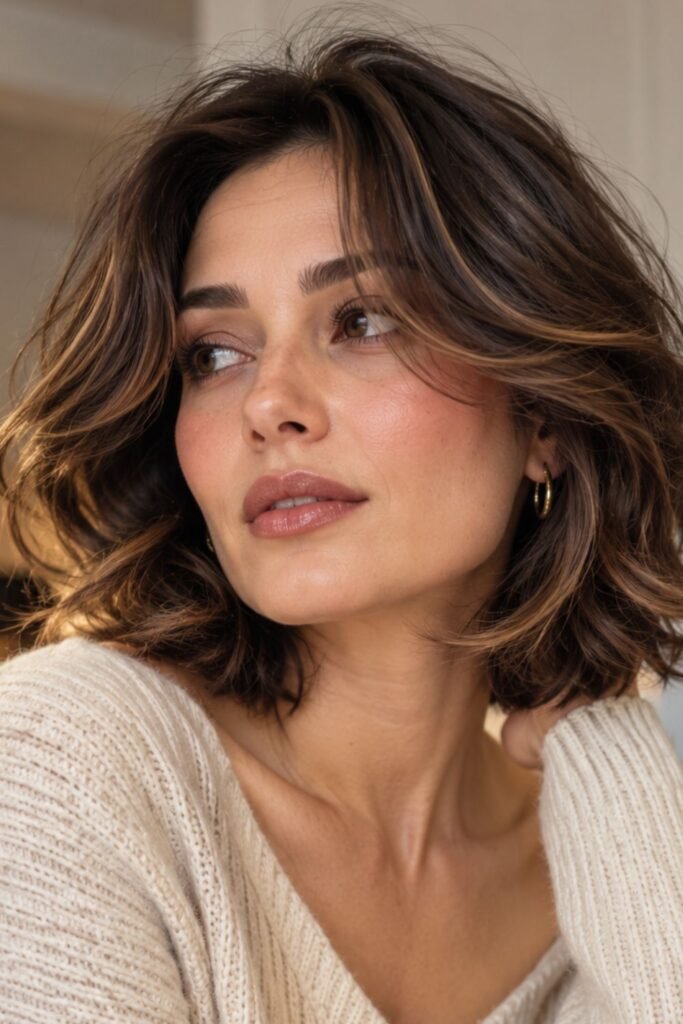
Curtain-Fringe Butterfly Bob
Adding a parted curtain fringe creates the shortest layer of the cut, usually sitting between the brow and the top of the cheekbone. Ask your stylist to connect the fringe to the side layers so it blends into the shape and never sits as a separate shelf. This version flatters oval, heart and long face shapes, and it gives grown-out bangs a natural home. Style the fringe first while it is still damp: blow-dry it side to side with a flat brush to remove any cowlick, then roll each half outward with a small round brush. Plan on a quick fringe trim every three to four weeks, especially if you wear it straight. These curtain bangs ideas show more fringe shapes to try.

Curly Butterfly Bob
On curls, the goal is a layered, rounded shape that frames the face once the hair is dry. Book a stylist experienced with curly cuts, ideally one who cuts dry or curl by curl, so shrinkage and density are accounted for before the scissors go in. Leave the front curls long enough to land at the cheekbone after they spring up, and avoid removing so much bulk that the ends turn sparse. At home, apply a leave-in conditioner and curl cream to soaking wet hair, scrunch, and diffuse on low heat without touching until it is fully dry. Pineapple loosely overnight and refresh with a water mist in the morning.
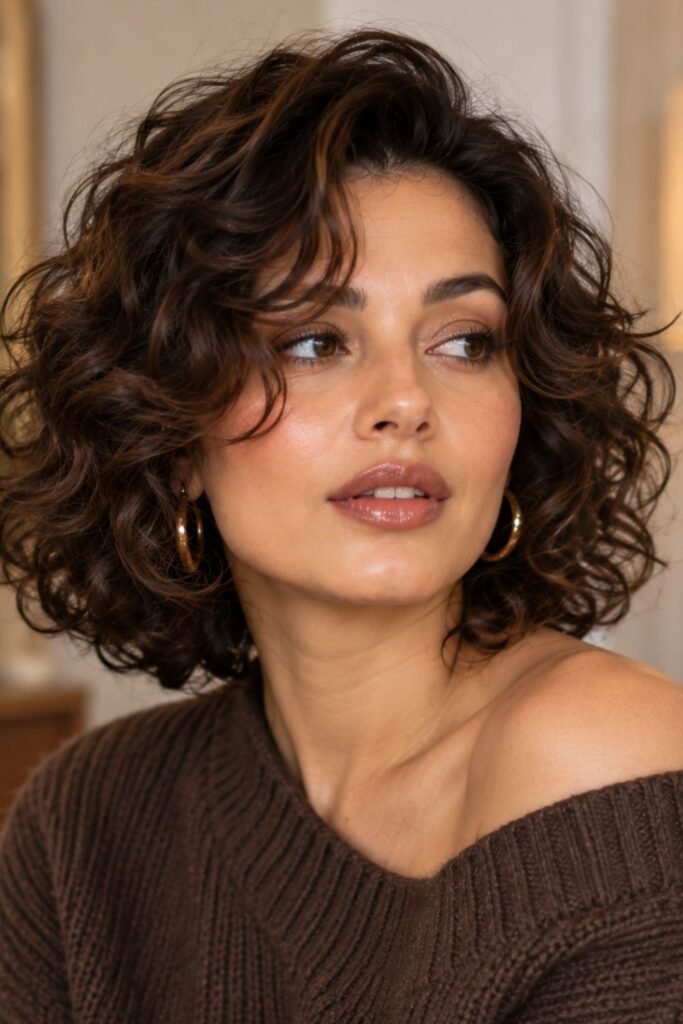
Fine-Hair Butterfly Lob
Fine or low-density hair usually looks best in a slightly longer lob with subtle face framing, because a heavily layered short bob can leave the ends looking thin. Ask your stylist to keep a clean, blunt perimeter and concentrate the layers in the front few inches so the fullness stays where it counts. Skip thinning shears entirely. Build lift with technique instead: a root-lifting spray, a blow-dry with the roots directed against their natural fall, and a couple of large Velcro rollers at the crown. A light dry texture spray adds grip without weighing the hair down. Shoulder length or just above is the most forgiving starting point.

Thick-Hair Butterfly Bob
Thick hair can carry a fuller, rounder butterfly outline, but without careful shaping it can puff out into a triangle at the bottom. Ask for blended layers plus targeted weight removal through the interior and behind the ears, where bulk tends to collect. Avoid all-over thinning, which creates frizz and short broken pieces that poke through the surface. The aim is plenty of movement with a visible, healthy baseline. A smoothing cream before blow-drying and a paddle brush for the back speed up styling, with a round brush saved for the front sections. Most thick-hair cuts need reshaping every six to eight weeks to keep the weight balanced.

How to Ask for a Butterfly Bob at the Salon
Bring photos that show the front and the side profile, since a butterfly bob can look very different from each angle. Before any cutting starts, agree on where the shortest face-framing piece should land, the final length at the back and how much lift you want at the crown. Tell your stylist how you wear your hair on a normal day (air-dried, diffused, straightened or blown out) so the cut works without a salon finish. For curly hair, discuss shrinkage; for fine hair, prioritize fullness at the ends. The term “butterfly bob” means slightly different things to different stylists, so photos and clear length markers matter more than the name. If you prefer a more structured shape, compare it with these bob haircuts for women over 40.
How to Style a Butterfly Bob in Cold Weather
Start with a heat protectant if you are using a dryer or hot brush. Dry the roots in the opposite direction of their natural fall for lift, then roll the front sections away from the face with a round brush and let them cool before releasing. Smooth a pea-sized amount of lightweight serum through the ends only, keeping it off the roots. Under a scarf, tuck the back of your hair gently instead of letting the collar rub against it, since friction roughs up the finish and causes static. A silk or satin scarf lining helps. On non-wash days, mist the front layers with water and give them a quick round-brush reset, or wrap them in a Velcro roller while you get dressed.
Butterfly Bob vs Other Layered Cuts
| Cut | Defining shape | Consider |
| Butterfly bob | Bob/lob outline with face-framing layers | Needs styling for maximum outward movement |
| Blunt bob | Strong one-length perimeter | Less natural crown movement |
| Shaggy bob | More visibly broken-up layers and texture | Can look piecey on low-density ends |
| Long butterfly cut | Similar framing on longer lengths | More length to maintain and style |
For another softly layered option with wispier texture through the lengths, take a look at these Korean hush cut ideas.
Butterfly Bob FAQ
Is a butterfly bob the same as a layered bob?
It is a type of layered bob, defined by shorter face-framing sections and airy, outward-moving volume. Many layered bobs have evenly spaced layers without that winged front.
Does a butterfly bob work on fine hair?
Yes, with restraint. Your stylist should keep plenty of hair at the perimeter and use a few soft face-framing layers instead of thinning the whole cut.
Can curly hair have a butterfly bob?
Yes. The layers need to be planned around curl shrinkage, density and dry shape. The finished result usually looks rounder and fuller than a blown-out version.
What length is best for a butterfly bob?
Anywhere from the jaw to the collarbone works. A longer lob leaves more room for graduated layers, while a shorter bob needs careful layer placement to keep the ends looking full.
Do I need curtain bangs with a butterfly bob?
No. Curtain bangs strengthen the face-framing effect, but the cut works just as well with longer front layers and no fringe.
How do I get the flipped-out ends?
Blow-dry the front sections away from the face over a round brush, then let the hair cool in that shape before you release it. Large Velcro rollers help set the bend.
How often should I trim a butterfly bob?
Plan on a trim every six to ten weeks, depending on how fast your hair grows and how crisp you like the outline. A fringe needs attention more often.
Is the butterfly bob low maintenance?
It is easy to wear in its natural texture, but the bouncy blowout version takes 15 to 20 minutes of styling. Ask for a cut that still looks good when you air-dry it.
Making the Butterfly Bob Your Own
The best butterfly bob is cut for the person wearing it. A full baseline helps fine hair look thicker, careful internal shaping lets thick hair move, and the face-framing layers should suit the part you actually use every day. Take your photos, agree on the key lengths with your stylist, and ask for a shape that still looks intentional two days after the blowout. Done that way, this winter trend becomes a cut you will want to keep long after the season ends.