

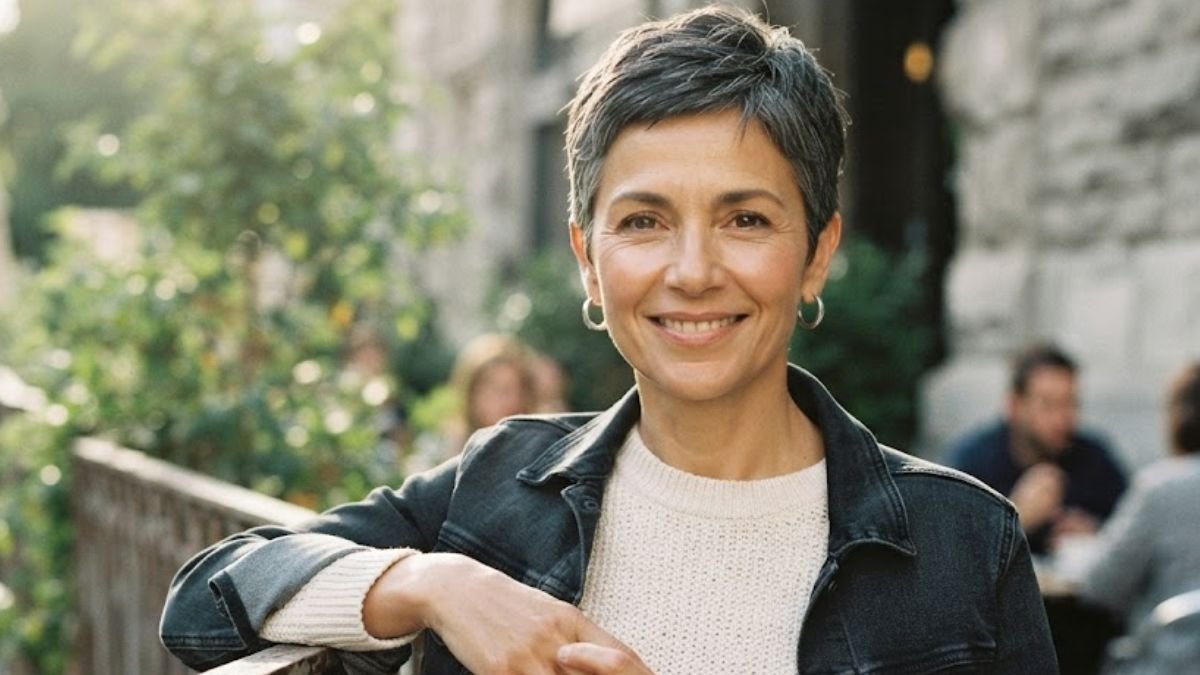
Short hairstyles for women cover more ground in 2026 than they have in years. The pixie has softened into textured variations that suit different face shapes. The bob has moved away from rigid, helmet-like shapes toward cuts with more movement and personality. The shag, the bixie, and the micro bob each have their own rules and their own styling routine.
Each of the 17 styles here is specific enough to bring to a salon appointment. You get a named cut with clear characteristics, a styling approach, and enough context to judge whether it suits your hair type, face shape, and morning routine before you sit in the chair.
Short Bob Styles for 2026
Textured Lob with Side Part
The textured lob sits at the longer end of the short hair category, ending at the collarbone. It earns a place here because it behaves like a short style on fine or medium density hair: short enough to avoid the flatness of long, unlayered hair, and long enough to give waves room to form. The side part adds asymmetry that keeps the shape from looking uniform or dated. For a warm brunette take on this length, see the lived-in espresso lob.
Point-cut ends are what make a textured lob look current. Ask your stylist to work the scissors into the ends at an angle instead of cutting straight across. On wavy hair, the full styling routine is a light texturizing spray through dry hair and a quick scrunch. On straight hair, add a few loose bends with a flat iron through the mid-lengths, leaving the last inch straight so the ends look modern.
Modern Chin-Length Bob
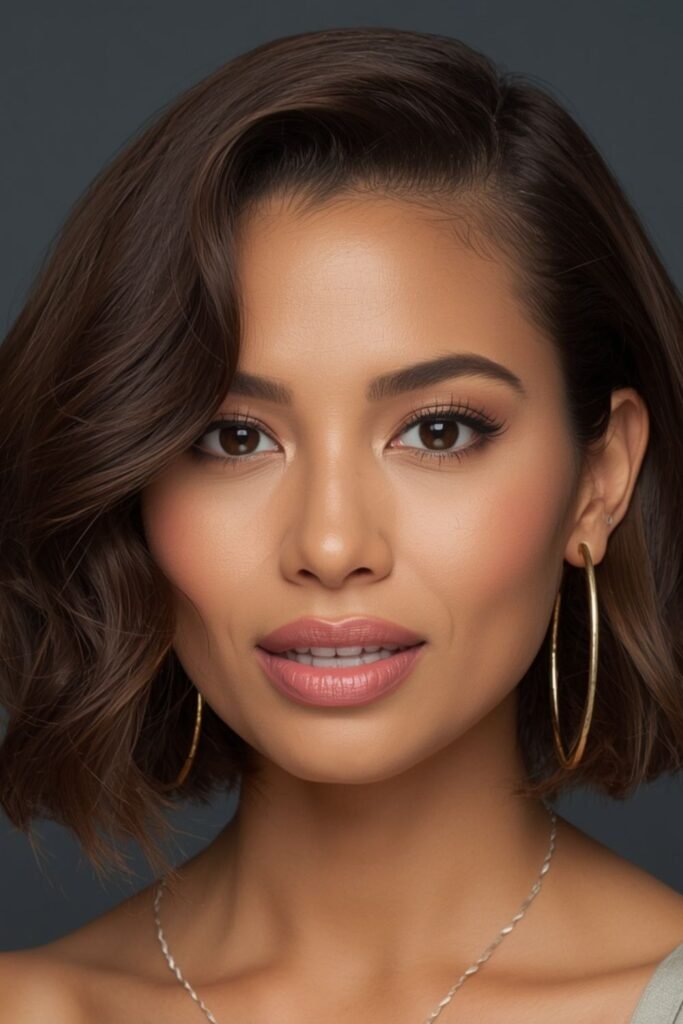
The modern chin-length bob has a slightly uneven, point-cut finish at the ends, a side or off-center part, and enough surface texture to move freely around the face. It skips the blunt, perfectly smooth helmet shape that made older bobs look severe, and it suits oval, heart, and long face shapes especially well.
Blow-dry with a round brush, curving the ends slightly inward at the jaw so the bob frames the face. A small amount of pomade or wax through the dry ends adds separation and keeps the bob from looking flat. On fine hair, a volumizing mousse at the roots before blow-drying is the most effective single product for keeping the crown lifted through the day.
Micro Bob
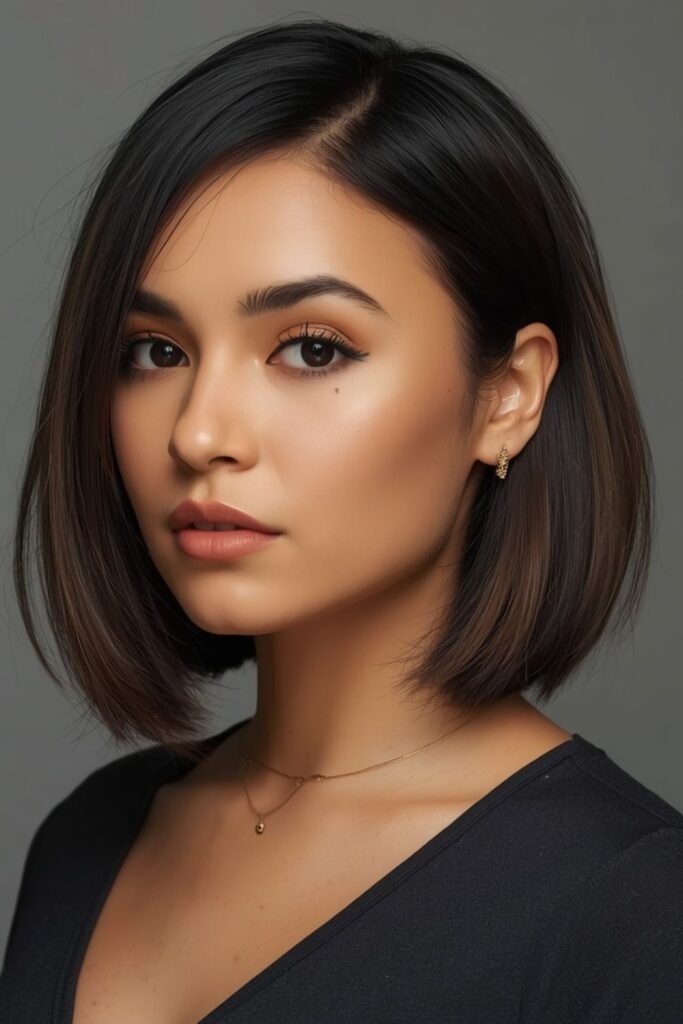
A micro bob ends above the jaw, between the ear and the chin, and is the shortest bob construction in mainstream styling in 2026. It requires a precise perimeter cut to read correctly: the back should be graduated or tapered so the nape sits close and clean, and the front sections should end at a consistent length on both sides or with a deliberate asymmetry.
The micro bob needs the most frequent trims of any bob, because grow-out at the nape and perimeter shows within three to four weeks. Book your trims in advance before committing to this length. It works best on straight or slightly wavy hair with medium density, since very curly hair shrinks unpredictably at this length, and it pairs well with a defined brow and statement earrings.
Wavy Bob with Face-Framing Layers
A wavy bob at jaw to collarbone length, with face-framing layers starting at the cheekbone, suits the widest range of face shapes on this list. The face-framing layers add diagonal lines that soften most bone structures, and the wave through the lengths adds the volume and movement that keep the bob from falling flat. It also transitions well from everyday wear to events with nothing more than a little shine spray and a clip.
Apply a wave cream or mousse to damp hair, scrunch upward through the lengths, and diffuse on low heat or air-dry. The face-framing layers develop their own wave shape through the diffusing step without requiring additional attention. A light finishing oil through the dry ends defines the wave at the face-framing sections and reduces frizz at the tips.

Short Textured Cuts for 2026
Pixie Shag
The pixie shag sits between a pixie and a shag: shorter than a shag, with more layering and texture than a standard pixie. The crown sits at two to three inches with shag-style layers distributed through it, the sides are shorter and textured, and the nape is tapered. The result has volume and movement that a standard pixie cut lacks.
Wavy and textured hair fills out the pixie shag layers automatically. Straight hair needs a texturizing spray and a quick diffuse to get the same effect. If you want a little more length to play with around the ears and fringe, these long pixie cut ideas keep the same shaggy texture with softer edges. Expect a trim every five to six weeks to keep the layers defined.
Bixie Cut
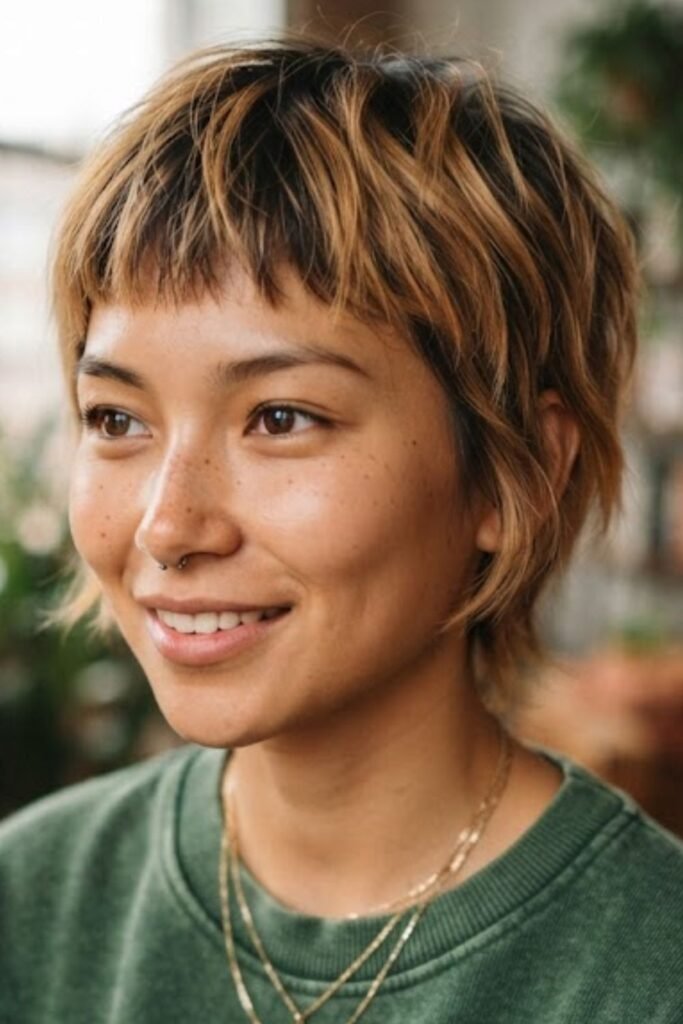
The bixie sits between a bob and a pixie: longer than a classic pixie at the top and sides, but shorter than a chin-length bob. The crown section falls at about ear to jaw length with plenty of layering, and the back is cut shorter and tapered. It gives the most face-framing length of any short style without the full perimeter of a bob. You can see more variations in these bixie haircuts.
The bixie suits oval, heart, and long face shapes particularly well because the longer crown and side sections frame the face without the full weight of a bob. Ask your stylist to point-cut every section so the ends have a feathered, textured finish. A blunt edge looks too structured for the relaxed shape of this cut.
Short Shag with Curtain Bangs
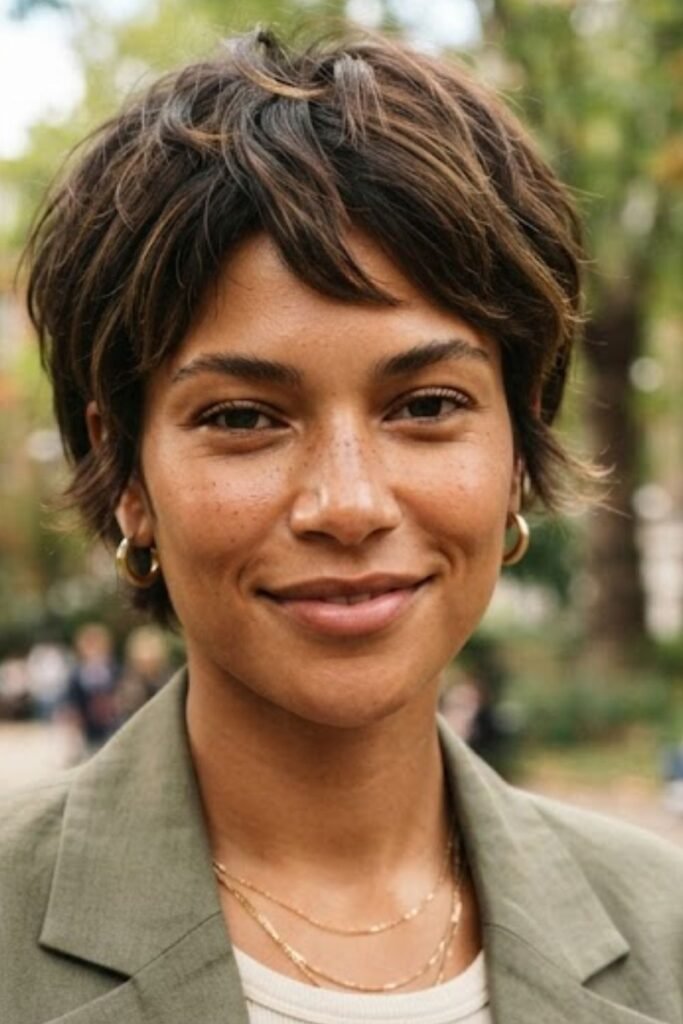
A short shag at jaw to collarbone length with curtain bangs is the 2026 short style that combines maximum face-framing detail with maximum texture and movement. The curtain bangs sweep to either side of the center part and blend into the face-framing layers of the shag without a visible separation. The crown layers create lift. The textured ends throughout give the style its piece-y, undone quality.
This style asks the most technique of your stylist, because the curtain bangs need to blend precisely into the shag layers to avoid a visible line where bang meets layer. Bring a reference photo that shows the bang sitting seamlessly inside the front layers. For more lengths and fringe options, browse these short shag haircuts. Style with a round brush on the bangs only and let the rest air-dry with a little texture cream.

Textured Pixie with Side Sweep
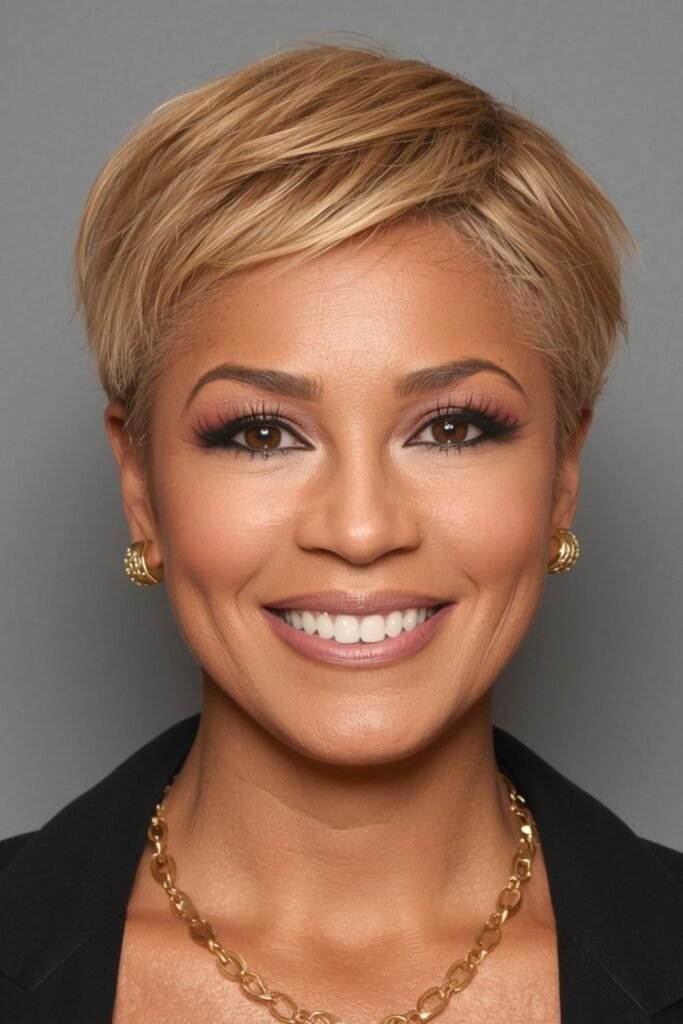
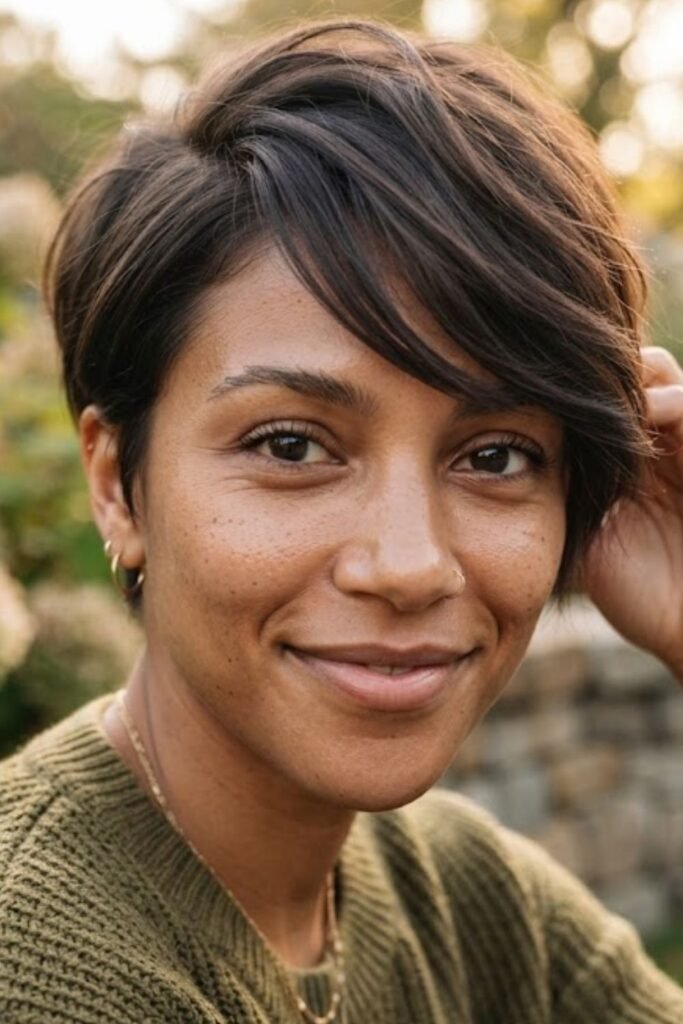
A textured pixie with a side-swept crown suits a wide range of women because the side sweep adds asymmetry that flatters most face shapes, and the textured crown adds volume that fine and thinning hair both benefit from. It is a reliable, low-risk short cut with a contemporary finish, which makes it a smart first pixie if you are cutting off length for the first time.
Style the crown section on damp hair with a matte paste or texturizing pomade, sweep it to one side, and set it with a blow-dryer on medium heat for thirty seconds. The sweep holds through the day without more product. Ask for the side-swept section to stay long enough to reach the outer corner of your eye, so it can also be pushed back on days you want a sleeker look.
Short Hair Color Ideas for 2026
Short Hair with Caramel Highlights
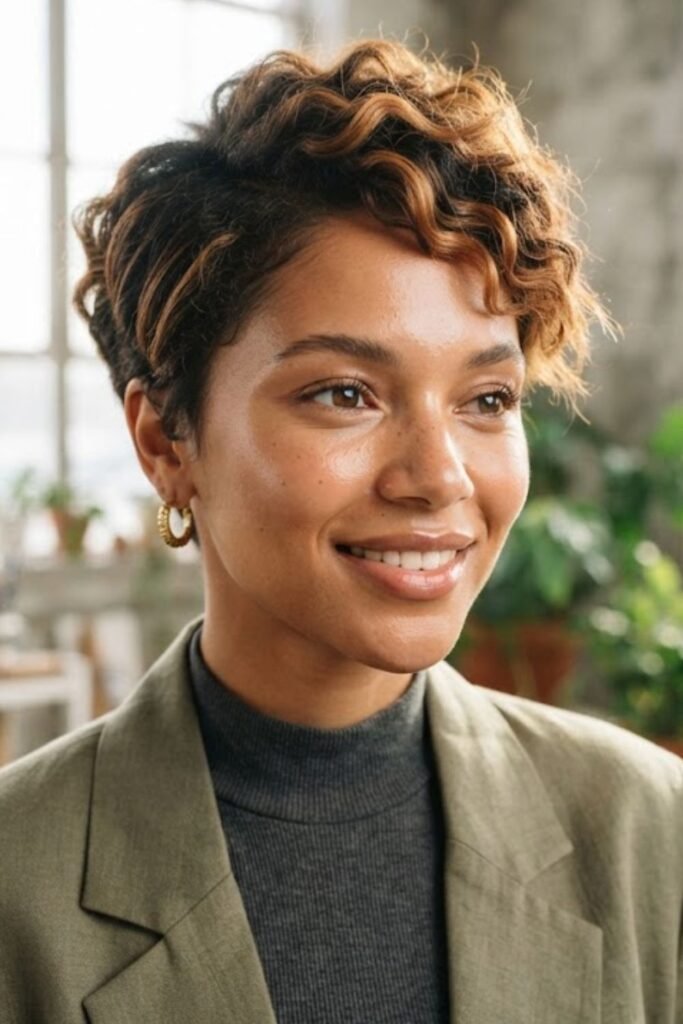
Color on short hair is always in the frame, always at eye level, and always visible from the front. There is no length for it to disappear into. This guide to caramel highlights on brown hair covers placement in detail. On short hair, ask for fine, closely spaced highlights through the crown and any face-framing pieces, which create dimension that looks even from every angle.
A gloss or toning treatment every six weeks between highlight appointments maintains the warmth and shine of the caramel tone without a full reapplication. On short hair the gloss appointment is quick because the overall volume of hair is small, and it can often be combined with a trim appointment without significantly extending the salon visit.
Silver Short Cut
A silver or natural grey short cut is one of the most cohesive choices on this list because the color and the cut support each other. Silver hair in a textured pixie, bixie, or micro bob looks deliberate: a chosen color and a chosen shape that belong together. It is also the easiest way to grow out dyed hair, since a short cut removes most of the old color in one appointment.
A weekly purple toning shampoo prevents yellowing from mineral buildup and sun exposure. A moisture-rich conditioner through the lengths counters the dryness that silver hair tends to develop. Ask your stylist for a slightly softer, piecey finish on the ends, since silver hair can look wiry when cut too bluntly, and finish with a light shine serum to bring out the reflective tone.

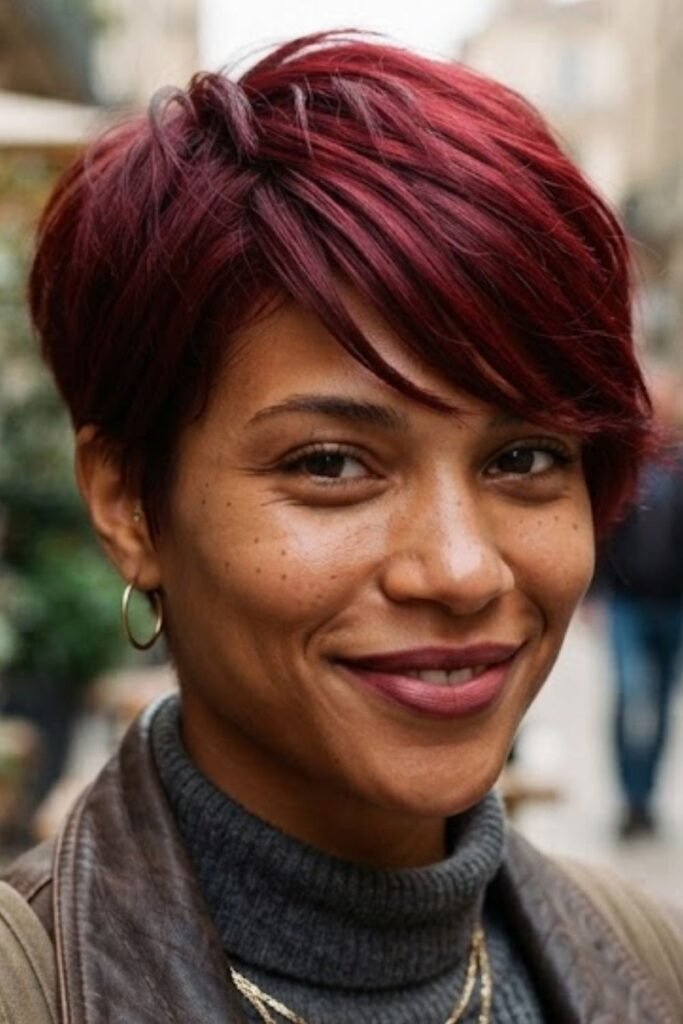
Bold Dark Cherry Red Short Cut
A short cut in dark cherry red is the most visually impactful color-cut combination on this list because at short lengths the color and the cut share the same frame. Every person who sees the style sees the color immediately. The cherry depth creates shadow between sections of a textured pixie or bob that adds dimension to the cut that the same style in a flat color does not achieve.
Grey regrowth against a vivid short cut shows at the parting within four to five weeks. A temporary root spray in a matching tone manages the line between salon visits without requiring a full color application. Discuss the maintenance schedule with your colorist before committing, and factor the appointment frequency into the overall cost of the style.
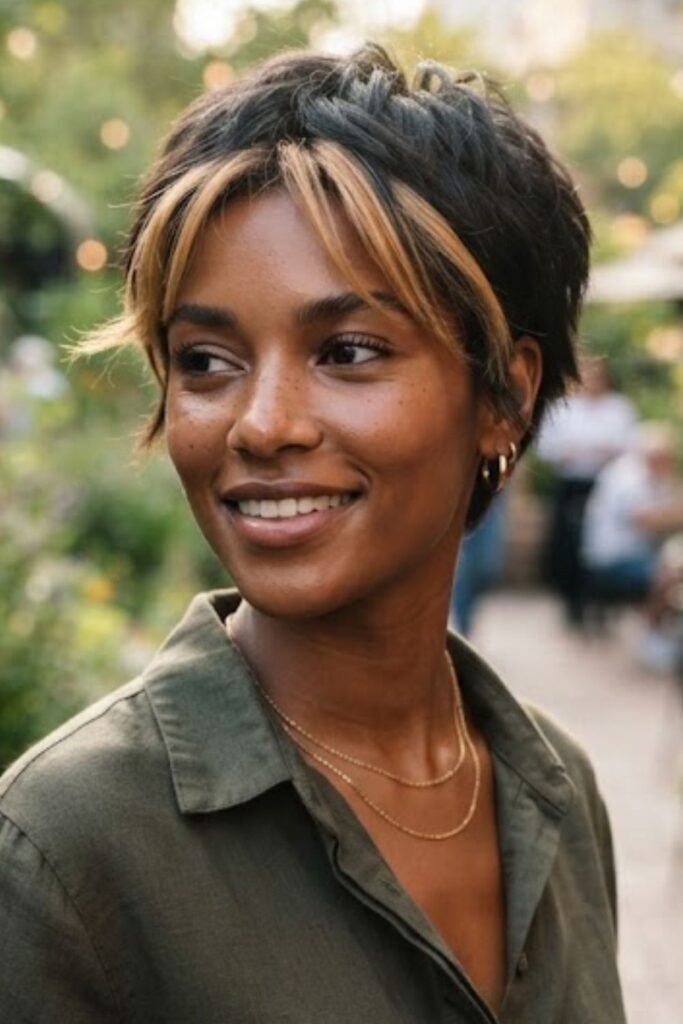
Short Cut with Money Piece Highlights
Money pieces on a short cut in 2026, placed at the front sections framing the face and parting, add brightness at exactly the most visible point of a short style. On a bob or bixie, money pieces sit at the face-framing sections near the cheeks. On a pixie, they sit along the longest crown section nearest the face. In both positions they catch light and draw attention to the eyes.
Keep money pieces fine instead of chunky on short hair. A wide money piece on a short cut can look disconnected from the base color, because there is so little total hair to blend it into. Ask for the brightened sections to start a quarter inch from the root for a softer grow-out, and book a gloss every six to eight weeks to keep the front pieces from turning brassy.
Short Styles for Natural and Textured Hair
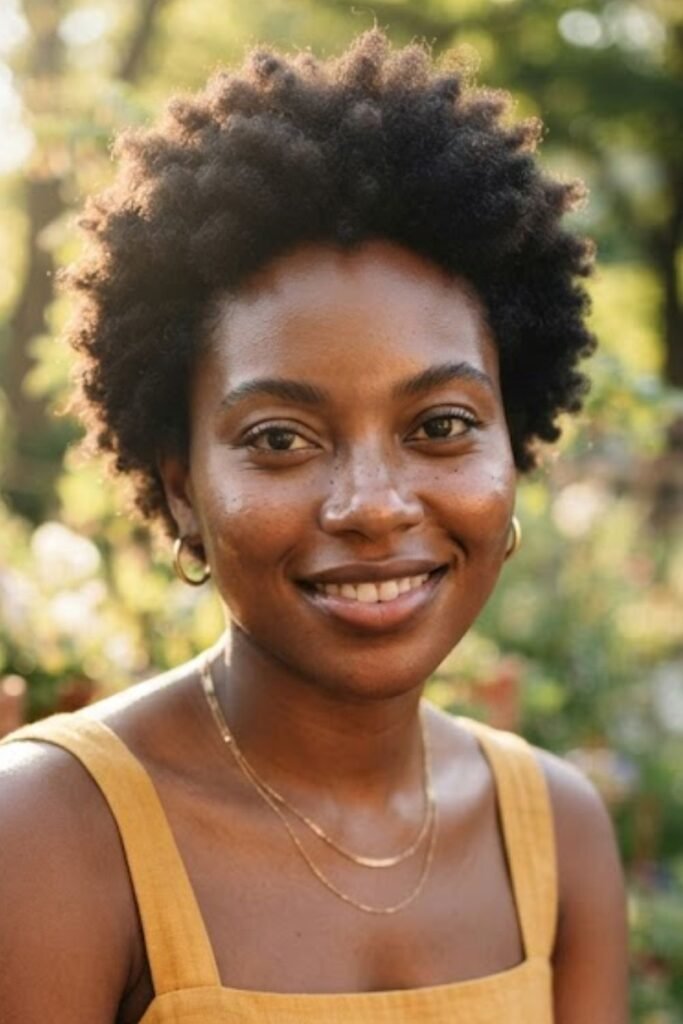
Short Natural Afro
A short natural afro, shaped to a consistent length through the crown and rounded evenly at the perimeter, is one of the most modern short styles for women right now. The shape is built entirely from the natural coil and curl pattern without heat, so the cut decisions determine everything: how much length to keep at the crown, how the perimeter sits at the sides, and how well the shape holds between trims. Ask for the cut to be shaped on dry, picked-out hair so the stylist can see the true silhouette.
A hydrating leave-in conditioner applied daily through the crown and sides prevents the dryness and shrinkage that makes a shaped afro look uneven between wash days. A light hair pick used to gently lift the roots each morning maintains the rounded silhouette without disturbing the curl pattern. Trim every four to six weeks to keep the perimeter consistent.
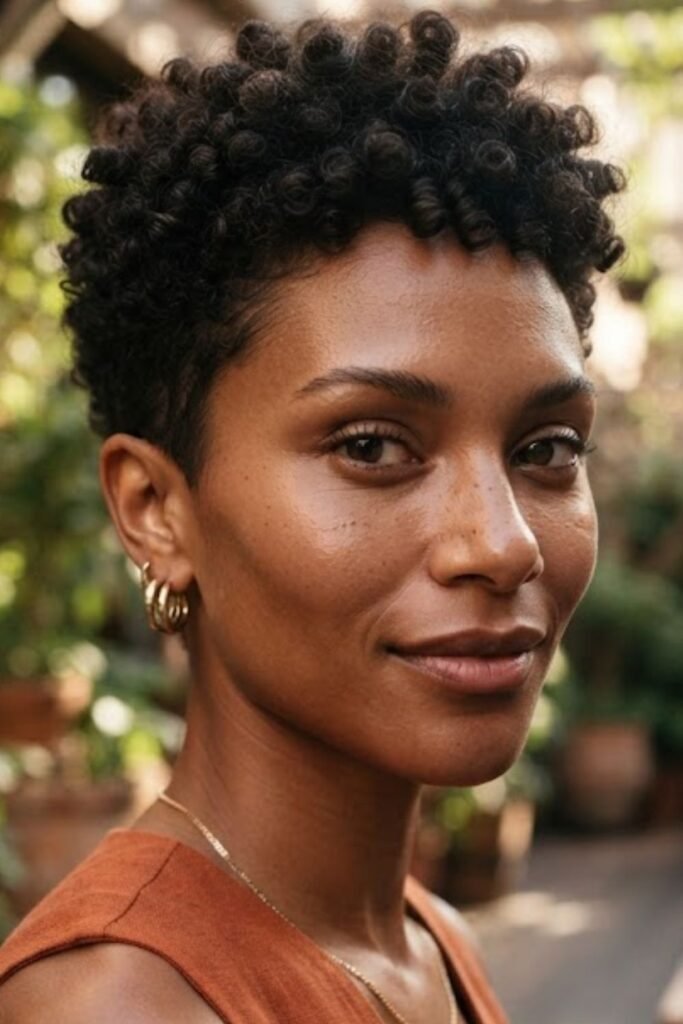
Tapered Natural Cut
A tapered natural cut on type 3 and type 4 hair closes very short at the nape and sides, gradually lengthening toward the crown where the natural curl or coil pattern has the most room to develop its shape. The taper removes the bulk at the sides and nape that can make short natural hair read as round or shapeless, and the longer crown section creates the vertical proportion that is most flattering on a wide range of face shapes.
A curl cream or defining gel applied to soaking wet hair through the crown section, scrunched upward, and diffused on low heat produces a defined, volumized crown that holds its shape through the day. The tapered sides and nape need no product beyond the moisture applied on wash day. A water-based refresher spray on day two restores the definition in the crown section without a full wash.
Short Styles for Special Occasions
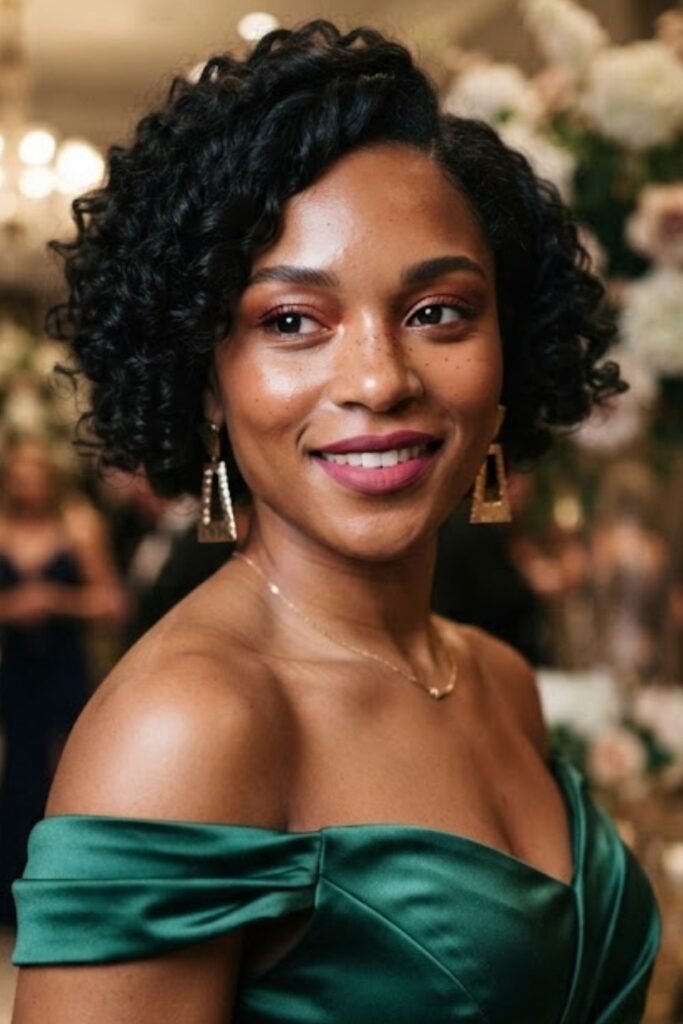
Short Bob Styled for a Formal Event
A short bob styled with soft waves and a single jeweled pin at one temple is a complete formal look for short hair. The waves add volume and movement that a straight blow-dry cannot give short hair, and the pin signals the occasion without an elaborate accessory. Choose a pin in the same metal tone as your jewelry so the whole look feels coordinated.
Use a one-inch barrel on completely dry hair, working in sections no wider than two inches so the waves hold through the event. Mist each section with a firm-hold spray before curling. Once every section has cooled, brush through once with a paddle brush, place the pin, and finish with a light-hold spray. Brushed-out waves on short hair look like classic Hollywood styling instead of casual curls.
Pixie Dressed Up with a Headband
A pixie dressed for an occasion needs only the right headband. A thin velvet or embellished headband sitting just behind the hairline frames the face, adds color, and moves the pixie from everyday wear to something suited to a dinner, a wedding, or a semi-formal event, with no extra styling step. On short hair, one good accessory often does more than an elaborate style would.
A headband one to two centimeters wide suits most pixie lengths without overwhelming the cut. Velvet grips short hair more securely than satin or fabric-covered options. Jewel tones such as midnight blue, burgundy, and forest green suit silver, brunette, and vivid short cuts equally well. Place the headband after styling so the crown keeps its volume.

Short Hair Air-Dried for a Casual Occasion
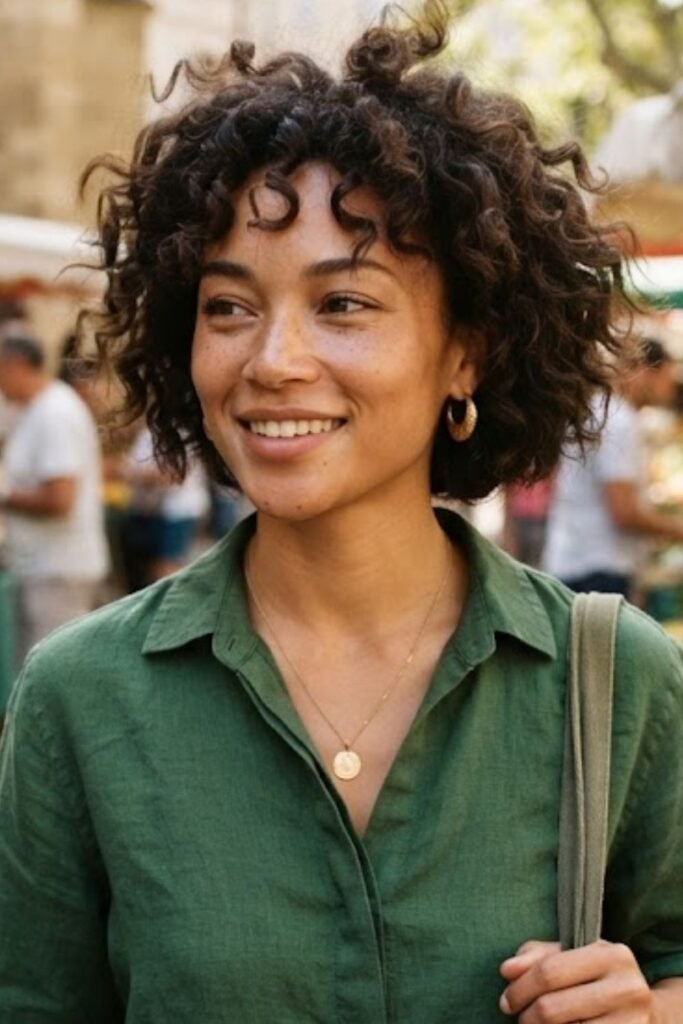
Short hair air-dried with a wave cream or curl cream suits casual occasions like a brunch, an outdoor event, or a relaxed gathering where the hair should look intentional without looking overdone. Air-drying is faster on short hair than on long hair, and the texture it produces often looks more natural than the same result created with a hot tool.
Apply a wave cream or curl cream to soaking wet short hair, scrunch upward through all sections, and leave completely alone until fully dry. On short hair this takes thirty to forty-five minutes for most textures. Do not touch the hair during this window. Once dry, a light oil on the palms smoothed over the surface eliminates frizz without disturbing the wave or curl pattern the cream set.
How to Choose Short Hairstyles for Women
Match the Cut to Your Daily Routine First
The most common short hair mistake is choosing a style for how it looks in reference photos without checking how it fits into a real morning routine. A sleek graduated bob requires a full blow-dry every morning to read correctly. A textured pixie shag on wavy hair requires a diffuse and a texturizing spray. A natural afro requires a daily leave-in conditioner and a morning pick. None of these is better or worse than the others, but choosing a style whose routine you will not realistically follow quickly looks grown out and neglected.
Understand How Your Face Shape Affects the Choice
Short hair sits closer to the face than any other length, which means face shape has more influence over which cut flatters than on longer styles. Round face shapes benefit from height at the crown and minimal width at the sides. Square face shapes suit textured ends and soft side sweeps that soften the jaw. Oval face shapes suit almost every short style. Heart face shapes suit cuts with length at the chin level that balances the width of the forehead. Bring this context to your stylist appointment.
Know the Trim Schedule Before You Commit
Short hair requires more frequent trimming than any other length because grow-out is proportionally more visible when the style is close to the head. A micro bob needs trimming every three to four weeks. A pixie and a bixie need trimming every four to six weeks. A short shag and a textured lob hold their shape to seven or eight weeks. The right short style is the one whose trim frequency you will actually maintain, not the one that looks best in the first week.
Frequently Asked Questions
What is the most popular short hairstyle for women in 2026?
The pixie shag, the bixie, and the textured wavy bob are among the most requested short styles this year. All three have enough texture and individuality to look current without demanding extreme precision in the cut or the daily routine. The pixie shag suits the widest range of textures and adapts most easily to different face shapes and hair densities.
What short hairstyle suits fine or thin hair?
The textured pixie with a longer crown section, the bixie with interior layers, and the wavy bob with face-framing layers all perform well on fine or thin hair because they add volume through layering and texture, so they do not rely on density. The key instruction for any of these on fine hair is interior layers instead of surface layers, which removes weight without exposing the scalp through the top layer when the hair moves.
What short hairstyle requires the least daily maintenance?
The pixie shag on naturally wavy or textured hair needs the least daily effort, because the wave fills out the layers without a styling step. A diffuse and a texturizing spray make a complete morning routine. On straight hair, a textured bob with wispy ends comes closest to a wash-and-go result, and on coily hair the tapered natural cut does the same, because both rely on the cut for their shape.
Can short hair be styled for formal occasions?
Yes. A short bob with Hollywood waves and a jeweled pin, a pixie with a velvet headband, and a bixie with a crystal clip at the temple all turn an everyday short cut into a formal style through the finish or accessory alone. Short hair is one of the few lengths where a single quality accessory, such as a rhinestone claw clip, a velvet headband, or a pearl pin, can produce a formal result faster than elaborate styling.
What face shapes suit short hair best?
Oval face shapes suit all short hairstyle categories with very little adjustment. Heart face shapes suit bixie cuts and chin-length bobs that add length at the jaw to balance the wider forehead. Round face shapes suit pixie cuts and tapered natural cuts with crown height. Square face shapes suit textured bob and pixie shag styles with soft, wispy ends that soften the jawline. Oblong face shapes suit short bobs with curtain bangs or a side-swept fringe that adds horizontal width at the forehead.
Final Thoughts
Choosing between short hairstyles for women comes down to more than looks. Each of the 17 options here has its own construction, texture requirements, maintenance schedule, and face shape considerations. The right one suits your hair as it actually is, fits the time you realistically have each morning, and gets trimmed on the schedule the cut needs.
Bring reference photos from the side and back as well as the front. Tell your stylist your texture, your density, and your morning routine. A cut that works on someone else in a photograph will work on you when those three things match.