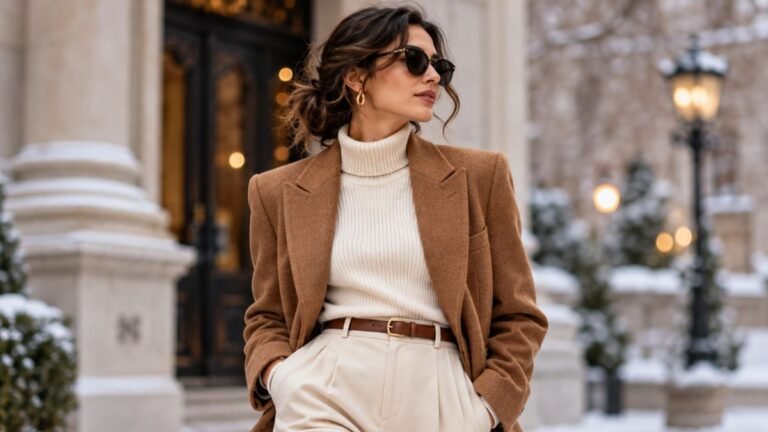

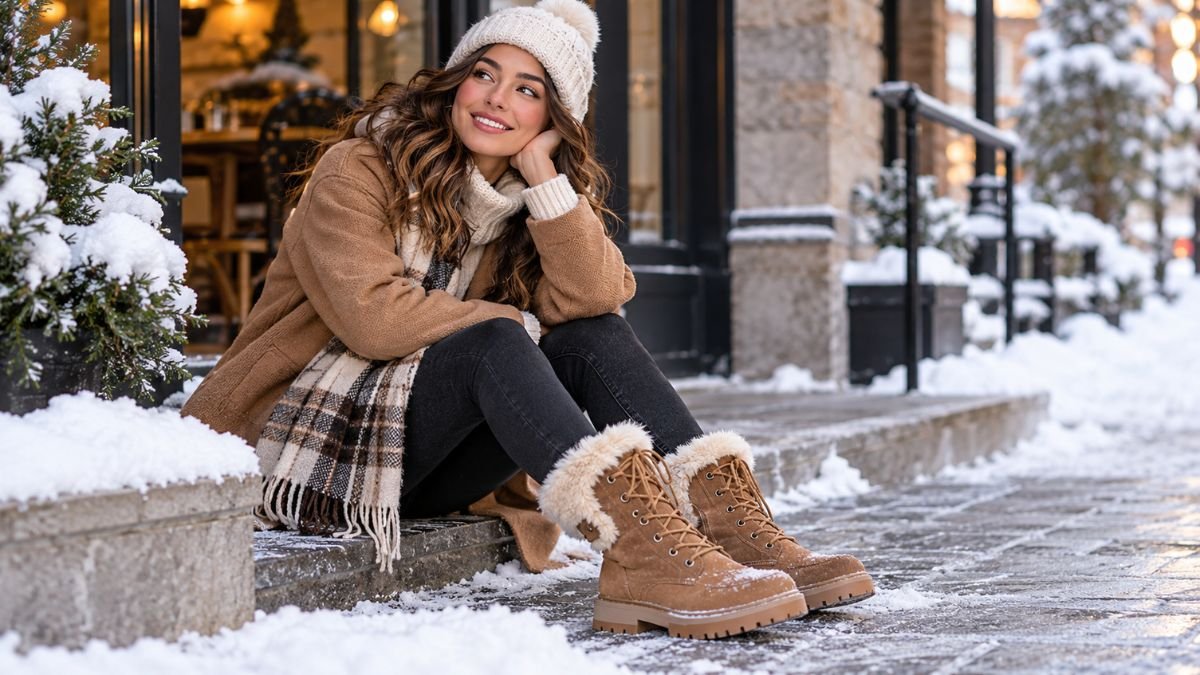
The best winter boot trends for 2026 balance style with the reality of cold, wet streets. A good boot has to support real walking, leave room for thick socks and cope with the weather outside your door. This season’s strongest shapes help: flat riding boots, relaxed slouchy shafts, understated Western styles and plush shearling linings all come in low heels and versatile silhouettes. Below, each trend is judged on comfort, weather and wardrobe value, with notes on what to check before you buy and how to wear it. Some suit dry city days, and others make sense when pavements turn icy.
Minimalist Flat Riding Boots
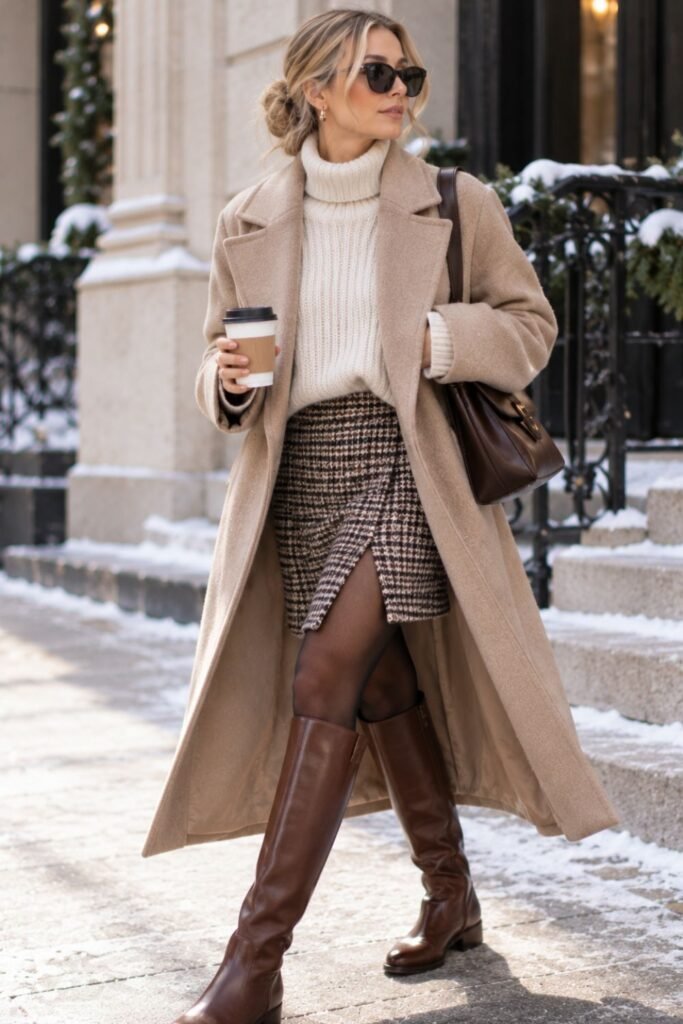
A low-profile riding boot is the most reliable starting point for an everyday winter wardrobe. The clean shaft and flat heel work with almost everything, from midi skirts and sweater dresses to straight jeans tucked in or worn over. When you shop, look for a flexible forefoot, enough room for a wool sock, and a topline that sits just below the knee without pinching when you sit. Smooth black or dark brown leather is the most versatile, and a rubber-injected sole adds grip on damp pavements. Condition the leather monthly to keep creases soft.
Relaxed Chocolate Suede Slouch Boots
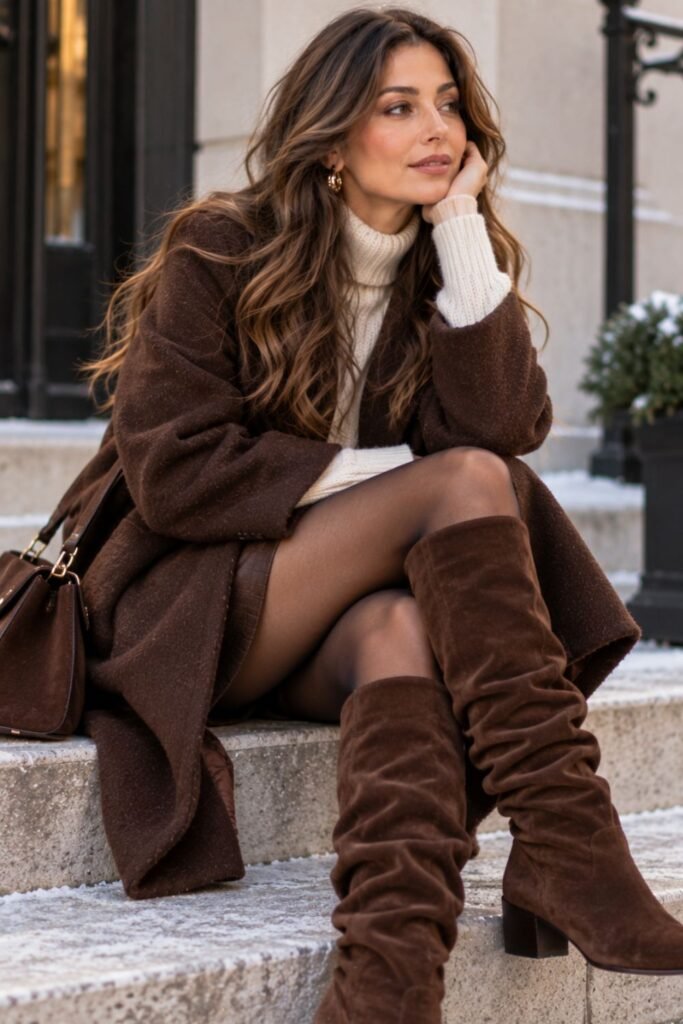
Slouch boots feel easier and less formal than a structured knee-high, and chocolate suede is the shade that makes them look current. The soft folds at the ankle add texture to plain outfits, so wear them with a knit midi dress, slim trousers or a straight denim skirt. A stable block heel of about two inches is far kinder on long walks than a narrow stiletto. Suede is best kept for dry days: treat it with a protective spray before the first wear, brush it with a suede brush after outings, and let wet pairs dry away from radiators.
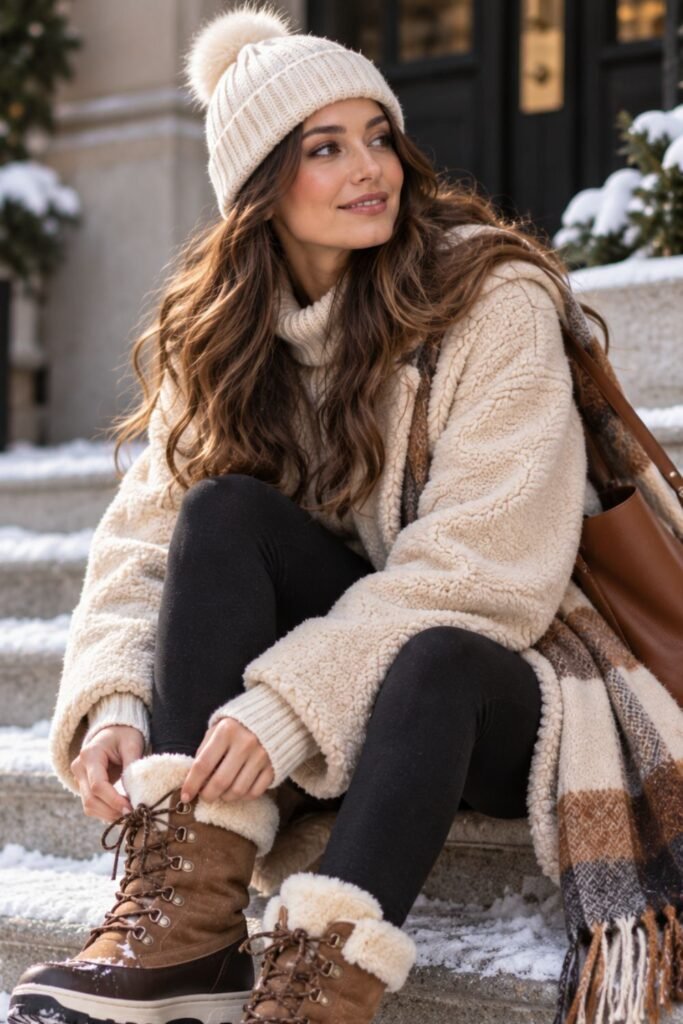
Shearling-Lined Weather Boots
A shearling-lined boot earns its place on the coldest days of the year. The real test is construction: check that the lining runs all the way into the toe box, that the outer is labeled water-resistant or waterproof, and that the sole has a deep tread. Plush trim at the cuff looks cozy, but it does not guarantee warmth or protection from wet snow. Wear these with leggings, thick knits and a long puffer, or pair them with straight jeans for errands. Choose a half size up only if you plan to wear heavy socks.
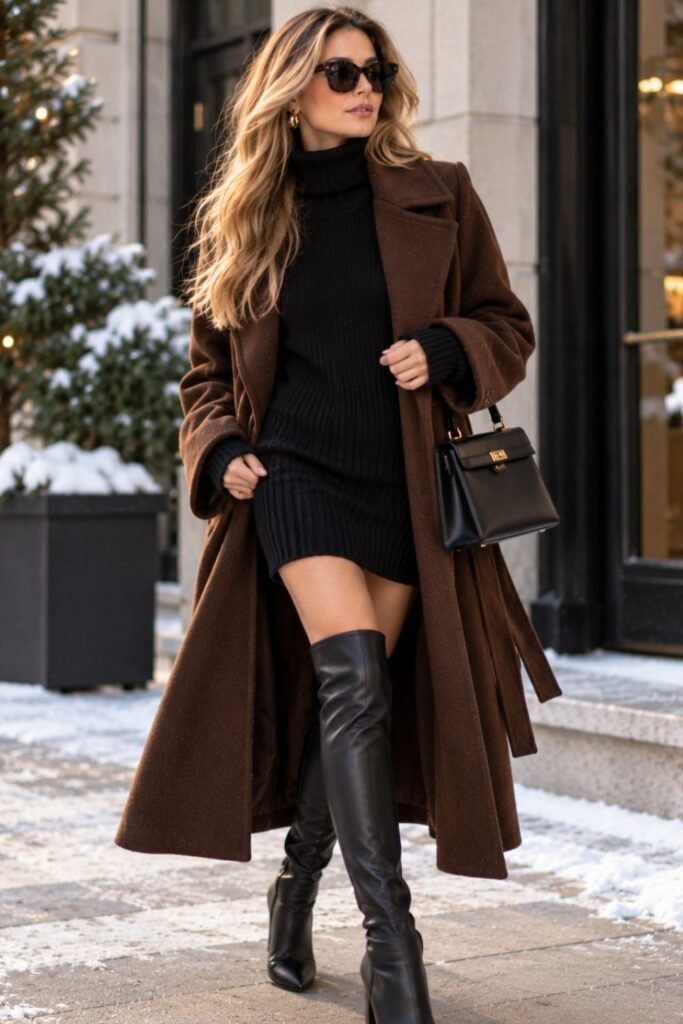
Sleek Stretch-Shaft Knee Boots
A stretch shaft follows the leg closely, which means no gaping at the top and no bulk under a skirt. It also accommodates a wider range of calf shapes than rigid leather, so many people find it the most comfortable knee-high option. Look for a fabric that snaps back after you pull it on, a padded footbed, and a heel under three inches if you walk a lot. These boots look sharp with a short wool skirt, a sweater dress or slim cropped trousers. Store them upright with boot shapers so the fabric doesn’t crease.
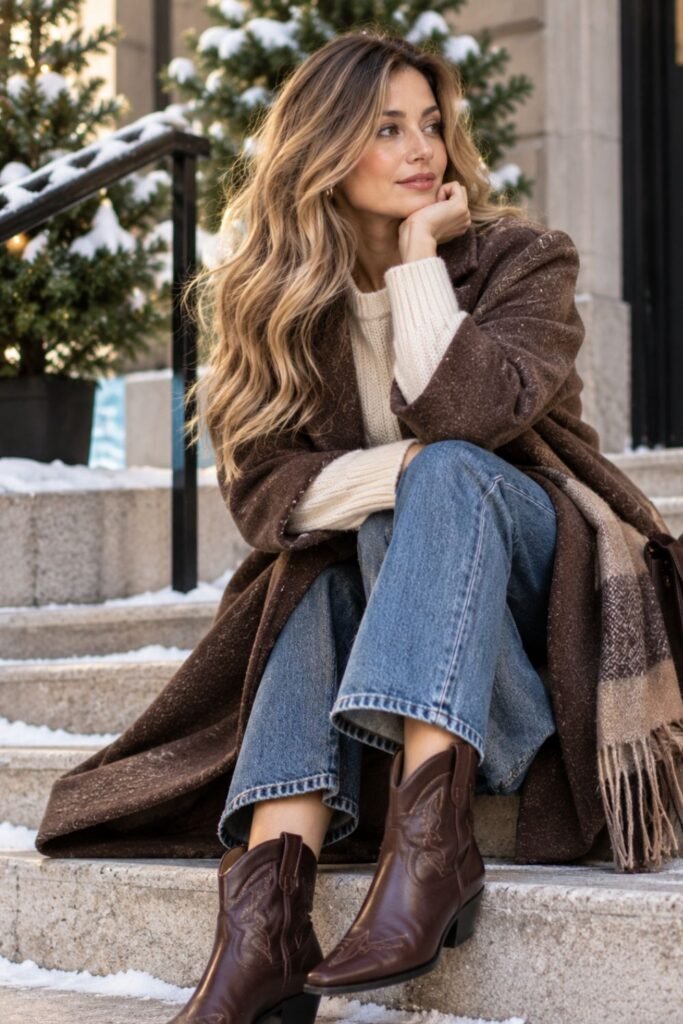
Low-Heeled Western Boots
Western influence looks more understated this season, with shorter shafts, softer stitching and modest stacked heels. A low cowboy boot shows neatly under cropped straight jeans and adds edge to a floaty midi dress or a long knit skirt. Choose a heel under two inches and a toe box that leaves room to wiggle your toes, since pointed Western toes can pinch. Tan, taupe and dark brown suede or leather are the easiest colors to style. A cushioned insole makes a big difference if the boot is built on a hard leather sole.
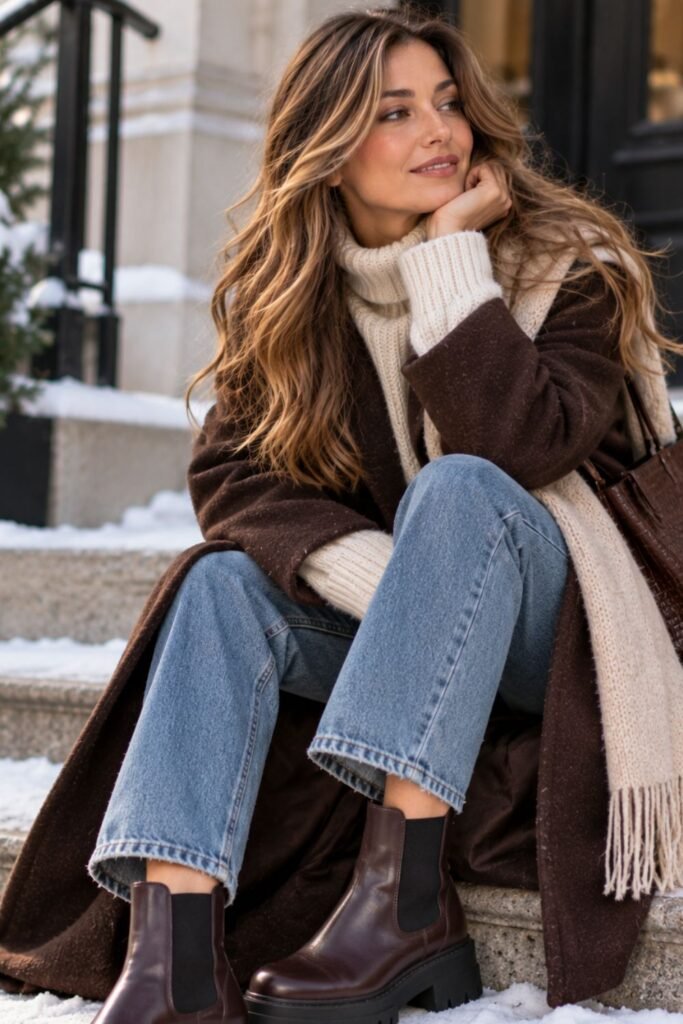
Chunky-Sole Chelsea Boots
Chelsea boots stay popular because they slip on in seconds and sit neatly under trousers and jeans. The chunky lug sole version adds height without a heel and gives better grip on wet streets, though no tread pattern makes a boot safe on ice. Try the ankle opening with the socks you plan to wear, and check that the elastic gussets are snug enough to stop your heel lifting. Black leather goes with everything, while a dark brown suede looks softer with camel and cream. Wear them with a long coat, cropped flares or a short knit dress and tights.
Cream Winter-White Boots
Cream boots brighten a dark winter palette without relying on a high heel. They look especially fresh with navy, charcoal, chocolate and black, where the pale footwear becomes the focal point of the outfit. For practical wear, choose smooth leather or a coated finish that wipes clean after slush, and avoid delicate cream suede unless you live somewhere dry. Wear them with a long dark coat and wide trousers, or with a gray knit dress for a tonal look. Our guide to winter coat trends has plenty of outerwear that pairs well with pale boots.

Olive Green Leather Boots
Olive is the easiest alternative to black and brown boots. Its muted undertone sits comfortably beside camel, denim, burgundy, cream and gray, so it works in more outfits than you might expect. A knee-high or mid-calf olive boot looks great with a camel coat and blue jeans, or with a burgundy knit dress. When you try them on, pay attention to the shaft opening as much as the shoe size: it should leave room for tights or slim trousers without gaping. Matte or lightly brushed leather keeps the color looking rich rather than military.
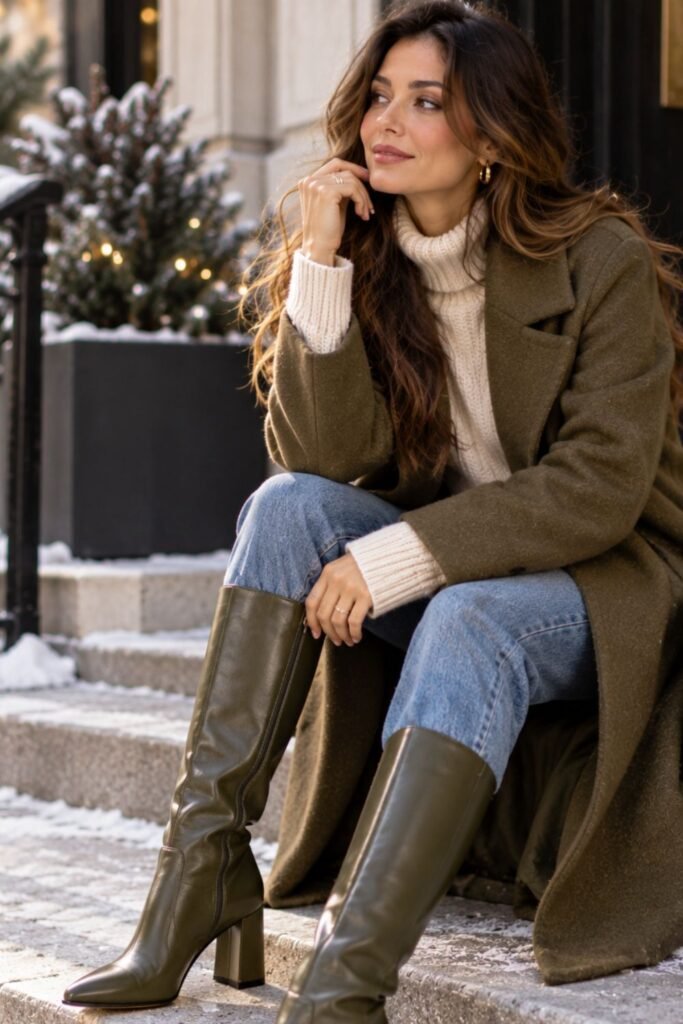
Soft Square-Toe Ankle Boots
A softly squared toe gives ankle boots a modern finish without an exaggerated shape. It also tends to give the toes more room than a pointed style, which makes it one of the more comfortable options for all-day wear. The toe box should still match the width of your foot, so try them on in the afternoon when feet are slightly larger. A slim ankle profile slides under wide-leg trousers without catching the hem. A low block heel keeps them practical for commuting, and black or espresso leather is the most versatile choice.
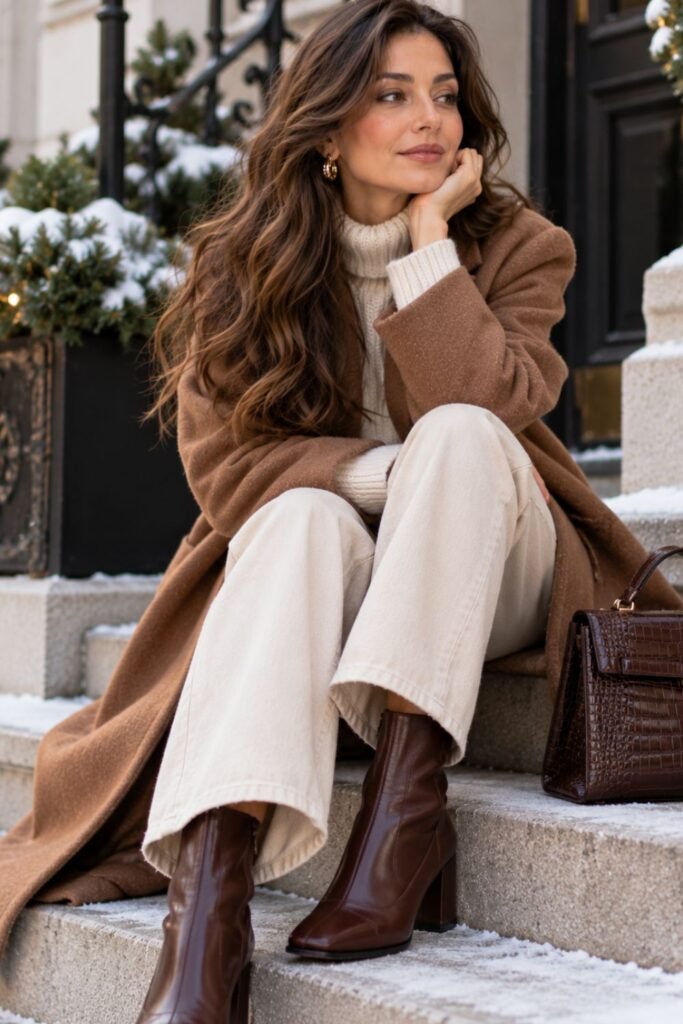
Waterproof Lace-Up City Boots
For commutes in rain and slush, function matters more than runway resemblance. A good city boot has stated waterproof construction such as a sealed seam or membrane, a gusseted tongue that keeps water out of the laces, and a sole suited to the conditions where you live. Leave enough space for warm socks without squeezing the toes. Today’s versions come in sleek leather and slim profiles, so they look polished with straight jeans, cargo trousers or a long wool coat. Re-waterproof the leather once or twice each season to keep it protected.
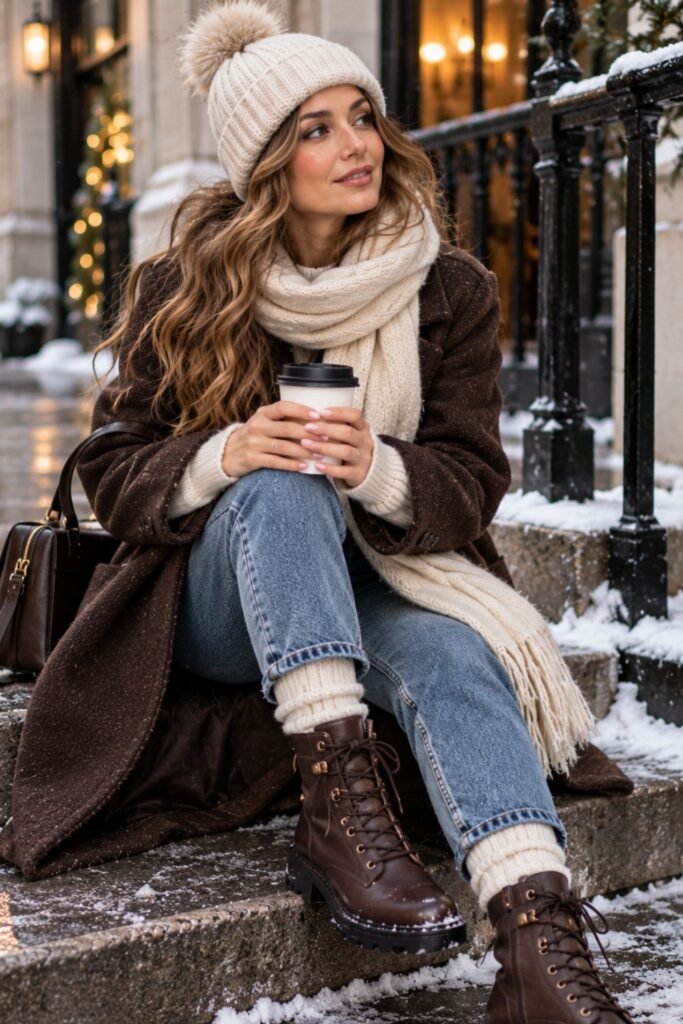
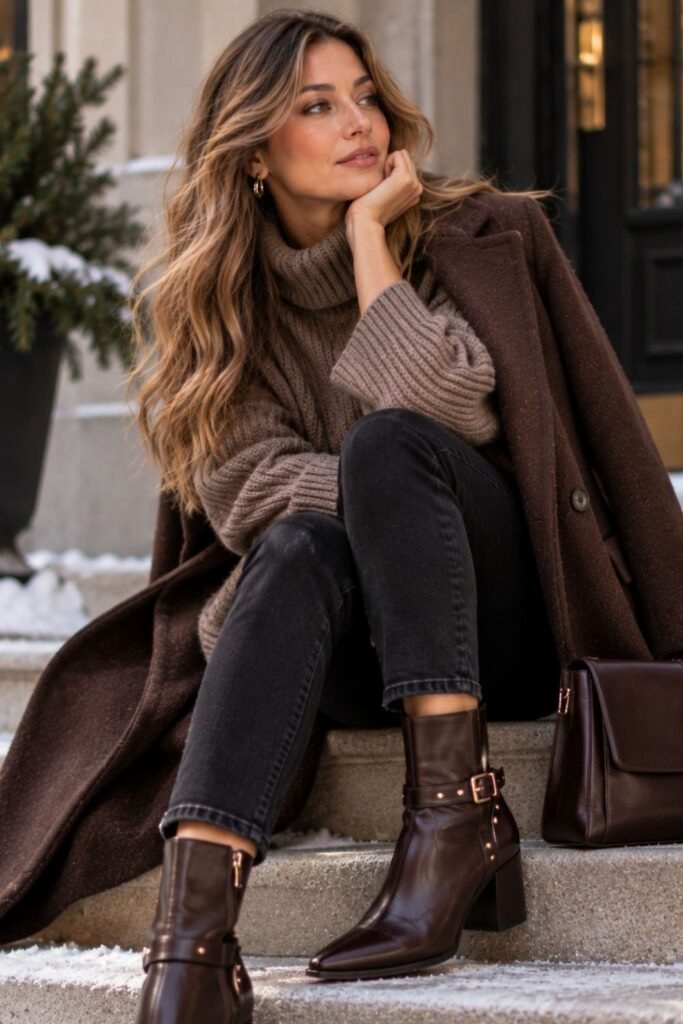
Buckle-Detail Moto Boots
Moto boots bring hardware and structure to soft winter clothes like chunky knits, slip skirts and flannel shirts. The best versions have one or two buckles that actually adjust the fit, so they feel functional rather than decorative. If the boot already feels heavy, skip styles with extra studs and chains. A mid-calf height looks good with a skirt or dress whose hem clears the boot opening, and with skinny or straight jeans tucked in. Look for a padded collar and a cushioned footbed, since moto soles can feel stiff for the first few wears.
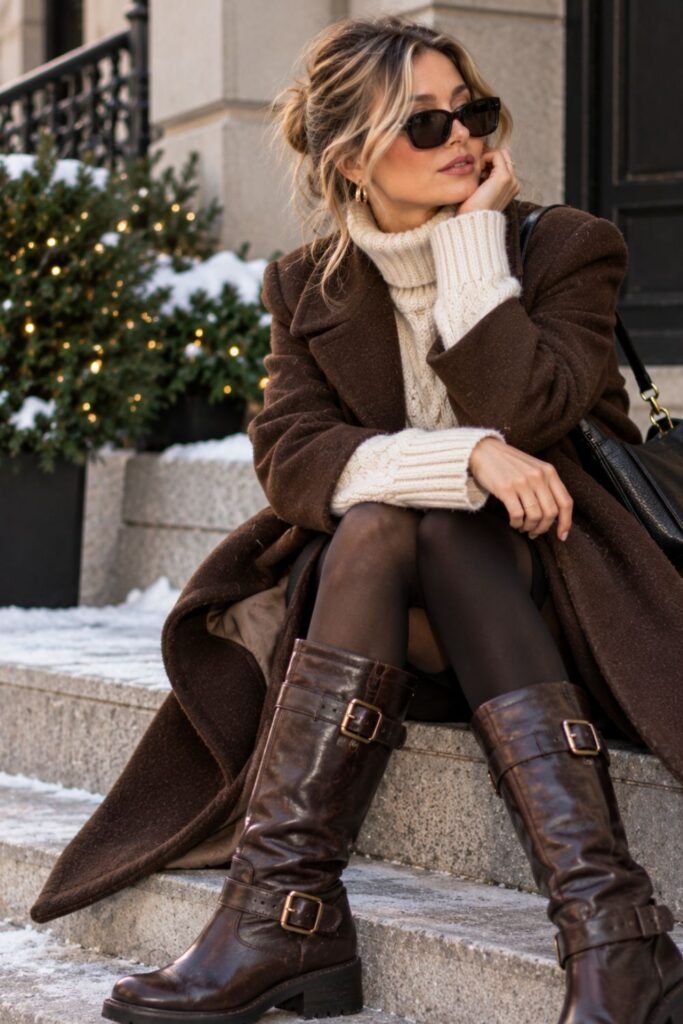
Cognac Leather Knee-High Boots
Cognac brings warmth to an otherwise neutral winter outfit, and it pairs especially well with cream knits, denim and gray tailoring. A supple leather upper softens with wear, but an ill-fitting footbed will not fix itself, so be strict about fit in the store. Check the shaft circumference at the widest part of your calf, bend your ankle to see whether the leather creases comfortably, and walk on a hard floor. Wear cognac boots with a knit dress and a camel coat, or match them to a tan bag from our edit of winter handbag trends.
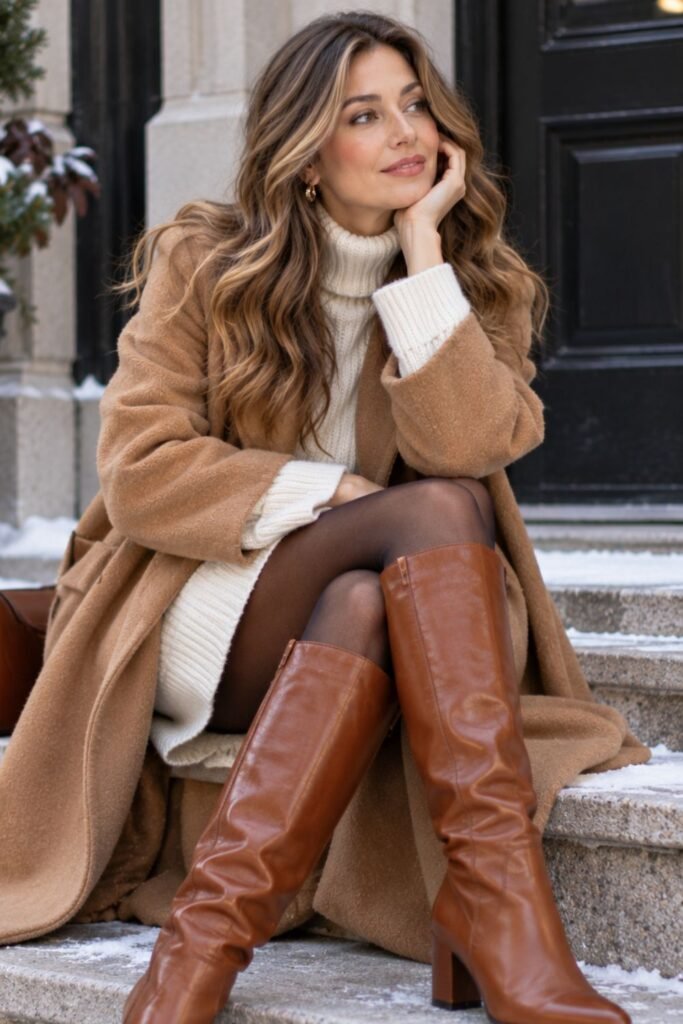
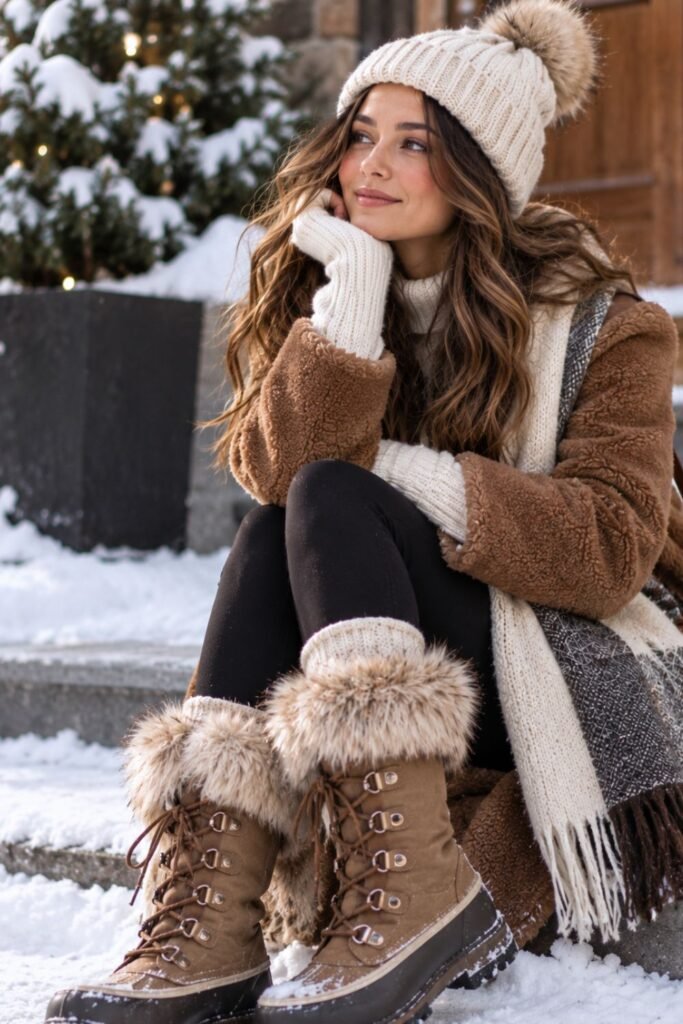
Faux-Fur-Trim Snow Boots
Snow boots should be chosen for the weather you actually face, with the faux-fur trim as a bonus. Look at the insulation rating if there is one, a waterproof lower shell, a lining that is warm without being bulky, and a lug sole with deep, widely spaced tread for snow. A drawstring or buckle at the cuff keeps snow from getting inside. The fluffy trim adds a playful, après-ski feel, so let it be the visual accent and keep the rest of the outfit simple: leggings or ski pants, a long puffer and a chunky knit hat.
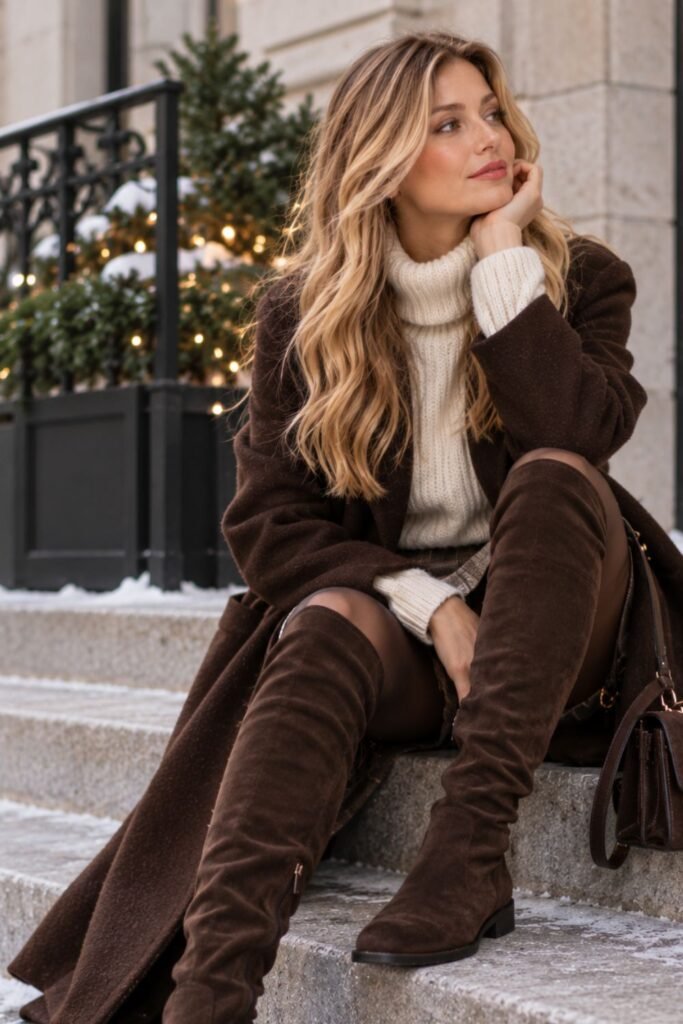
Over-the-Knee Flat Boots
Flat over-the-knee boots add leg coverage and warmth without the strain of a tall heel. They look polished with an oversized sweater, a short knit dress or a mini skirt and opaque tights. Flexible suede or stretch shafts are easier to move in than stiff leather, and an adjustable tie or elastic band at the top helps stop them from slipping down during the day. Before you buy, sit down, climb a few stairs and bend your knees to check the height is comfortable. Pair them with a cozy knit from our winter knitwear trends for 2026.
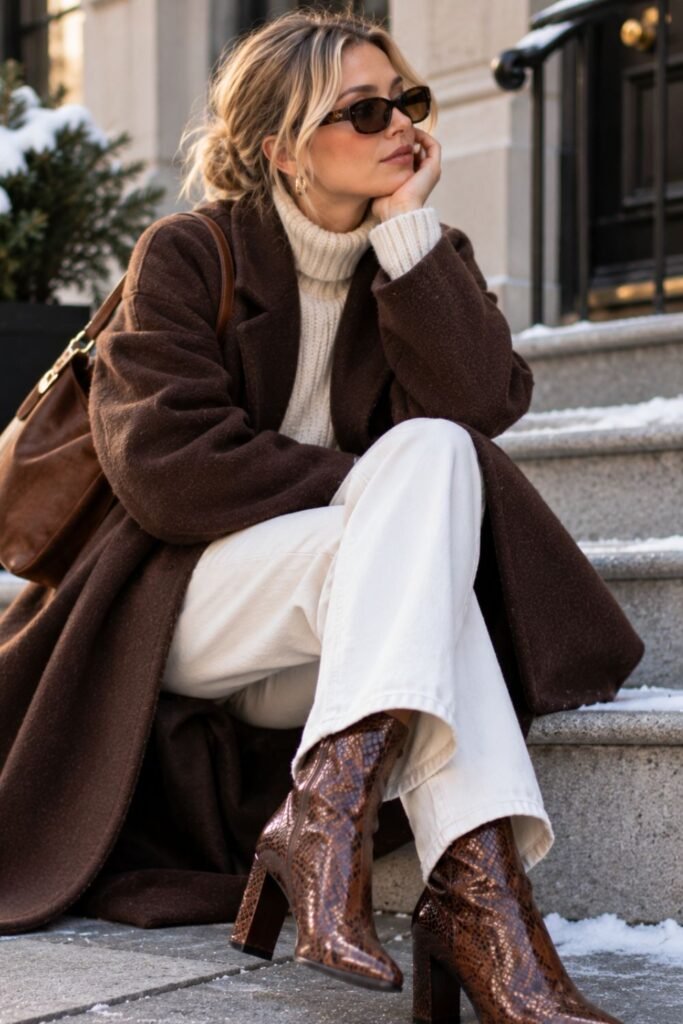
Animal-Texture Embossed Boots
Croc and snake embossing add visual texture to boots without bright color, which makes them easy to wear with a neutral winter wardrobe. Black, chocolate and deep green embossed leather look most refined, while a small-scale pattern works best when the rest of the outfit uses matte wool and plain tailoring. Keep the shape practical with a modest heel and a secure fit around the ankle. These boots are a smart way to dress up jeans and a sweater for dinner, or to add interest to a simple black midi dress. Wipe the grooves clean after wet days.
Minimal Metallic-Detail Boots
A few metal accents are enough to bring evening character to a wearable boot. A silver toe cap, a slim gold heel or a single hardware strap catches light without turning the boot into a costume piece. Check that studs and hardware are securely attached and that nothing rubs the ankle bone when you walk. Because the finish is restrained, these boots work beyond holiday parties: wear them with black jeans and a blazer, a satin skirt and a fine knit, or a simple wool dress. Polish the metal with a soft cloth to prevent tarnish.
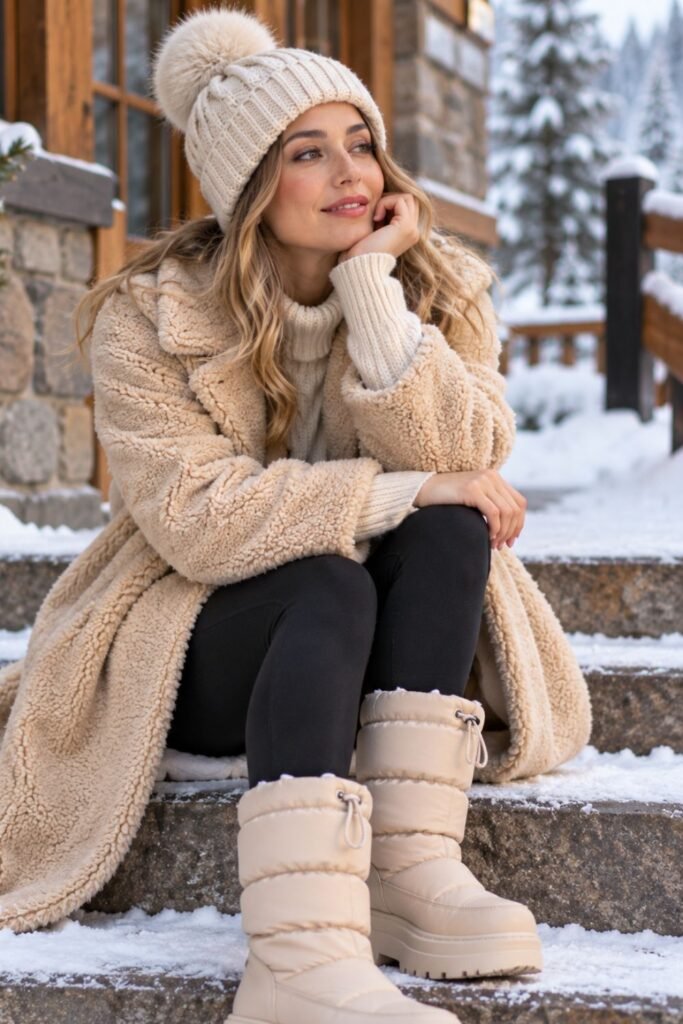
Padded Après-Ski-Inspired Boots
Quilted and padded boots offer a softer, more playful alternative to traditional leather. Their puffy nylon uppers feel light, and the look borrows from mountain lodges, which is why they are a favorite for casual errands and winter travel. Treat them like real outdoor gear only if the construction matches the weather: verify outsole traction and water protection rather than assuming every après-ski style is snow-ready. Wear them with leggings, a fleece or a long puffer, and keep the colors tonal. For more relaxed cold-weather pieces, browse our cozy winter staples for women.
Which Winter Boot Trends Work Best for Your Routine?
Long city walks: Flat riding boots, comfortable Chelsea boots, or properly fitted weatherproof lace-up boots.
Cold and snowy days: Insulated boots with verified water protection and traction appropriate to the surface.
Office outfits: Low-heeled leather knee boots, sleek stretch boots, or soft square-toe ankle boots.
Dinner and weekend looks: Slouch suede, subtle Western, or restrained metallic-detail boots.
How to Choose Boots That Stay Comfortable
Try boots on late in the day with the socks you intend to wear. Check toe room, heel slip, calf circumference and ankle flex, and walk up and down a few stairs before you decide. A flat sole does not automatically mean support, and a lug sole does not guarantee grip on ice. For wet climates, read the maker’s waterproofing and traction details rather than judging from photographs.
Once you have the right pair, build outfits around it. Our cozy winter outfit ideas for women show boots with knits and layers, and the runway to real life outfit ideas pair them with tailored coats, skirts and denim.
Frequently Asked Questions
What winter boots are trending in 2026?
Flat riding boots, slouchy shafts, fitted stretch styles, understated Western boots and textured or shearling finishes feature in current fashion coverage.
Are flat boots always more comfortable?
No. Cushioning, fit, flexibility and support matter as much as heel height. A poorly fitting flat can still cause discomfort.
Can suede boots be worn in snow?
Suede is generally a less practical choice for wet snow and road salt. Follow the manufacturer’s care guidance and choose weather-rated footwear for severe conditions.
What boots work with wide-leg jeans?
Slim ankle boots and low Western boots usually fit neatly under wide hems. Check that the hem does not drag or catch on the heel.
Are knee-high boots suitable for shorter people?
Yes. Fit and proportion matter more than height. Try shaft lengths that allow the knee to bend freely and avoid uncomfortable pressure.
Which boots suit icy pavements?
Choose footwear with traction designed for icy conditions; even suitable soles cannot eliminate slip risk. Additional traction aids may be appropriate.
Are over-the-knee boots practical for everyday wear?
They can be, particularly with flat soles and flexible shafts. Confirm that they stay in place and remain comfortable when seated.
What boot color is easiest to style?
Black and deep brown are versatile, while cognac and muted olive coordinate well with many winter neutrals.
Making Winter Boot Trends Work for You
Start with your climate and the distances you walk, then choose from the winter boot trends that fit both. A clean flat riding boot can anchor a city wardrobe, while a lined, weather-rated pair is the better investment where winters are harsh. Add one statement style, such as cognac knee-highs or cream boots, once the basics are covered. The pair you reach for every morning will always beat the most dramatic shape on the runway.