
Runway fashion becomes useful once you separate the idea from the spectacle. Fall 2026 is full of exaggerated silhouettes, layered styling, expressive color, and sculptural accessories, yet many of the season’s strongest ideas turn into runway-to-real-life looks built from pieces you already own.
The approach is simple: borrow one decision at a time. Wear a draped coat in place of a runway-length cape, a single sheer layer under tailoring, one brooch on a plain blazer, or a statement skirt balanced by an easy knit. The 15 outfits below each take one runway idea and build a wearable outfit around it.
For background on the collections themselves, Vogue’s Fall 2026 trend report and its guide to runway styling tricks show the original looks behind several of the ideas in this list.
Quick Guide: How to Translate Runway Styling
| Runway Idea | Real-Life Translation | Best Starting Piece | Avoid |
| Extreme volume | One voluminous skirt or coat | Simple fitted knit | Volume on top and bottom at once |
| Transparent layering | One sheer layer under tailoring | Camisole or opaque base | Unlined transparency where impractical |
| Maximal accessories | One brooch or bold scarf | Plain blazer or coat | Several statement pieces competing |
| Runway color story | Two related shades | Neutral shoe and bag | Too many unrelated colors |
| Sculptural tailoring | Strong blazer + relaxed trouser | Simple tee or knit | Overly rigid full suit for casual settings |
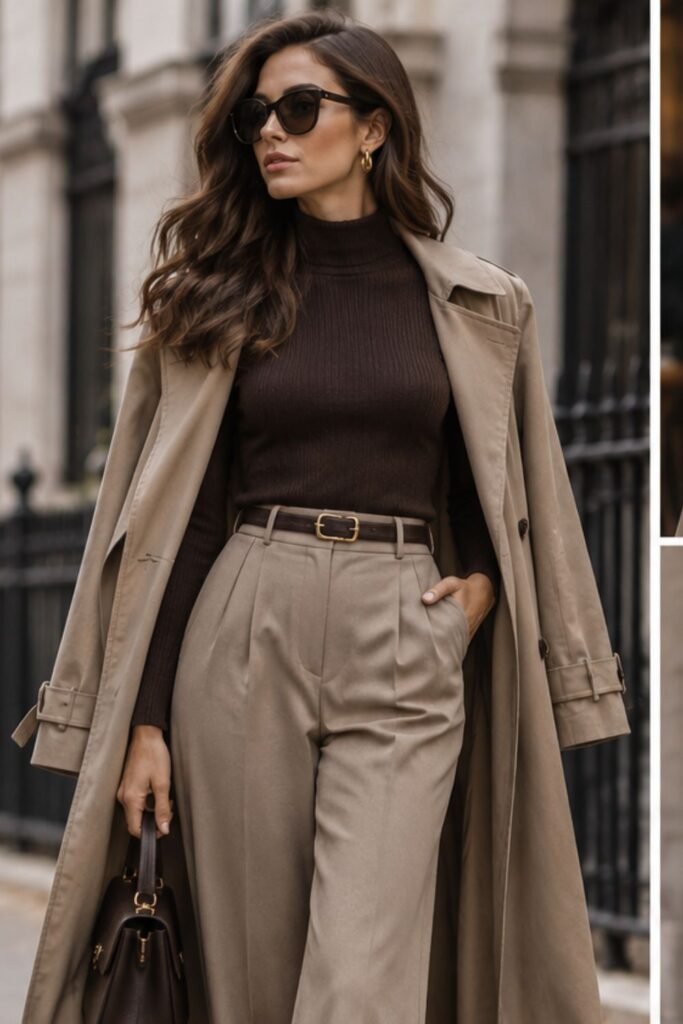
The Draped Trench + Straight Trousers
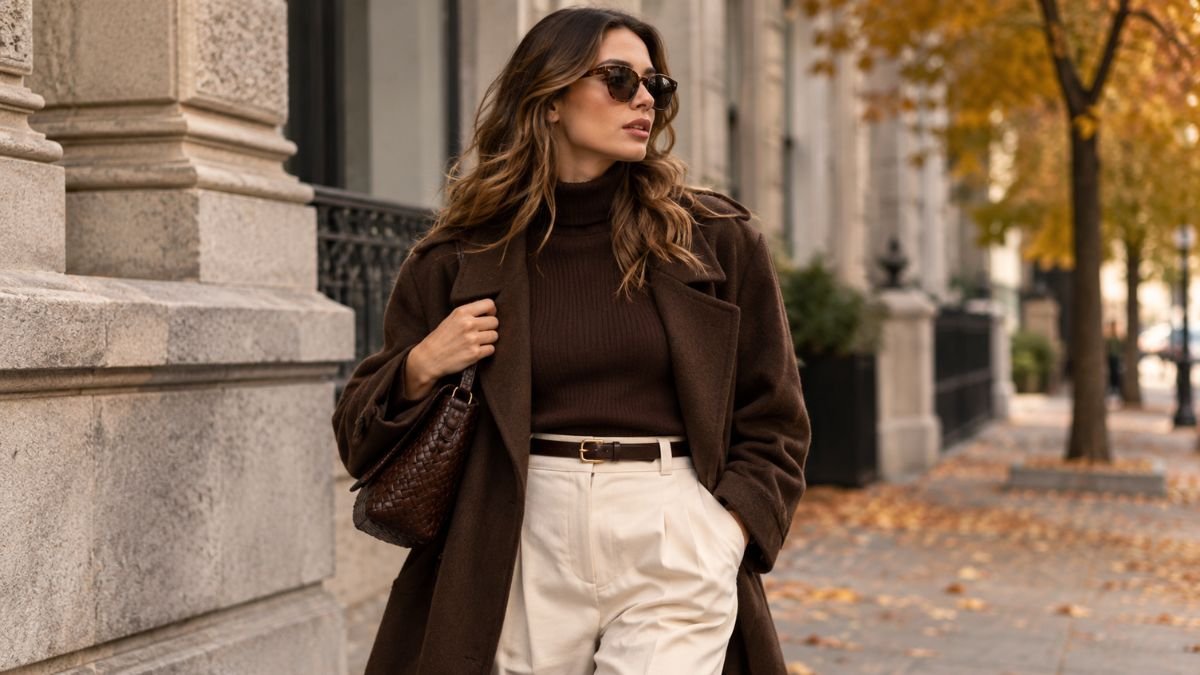
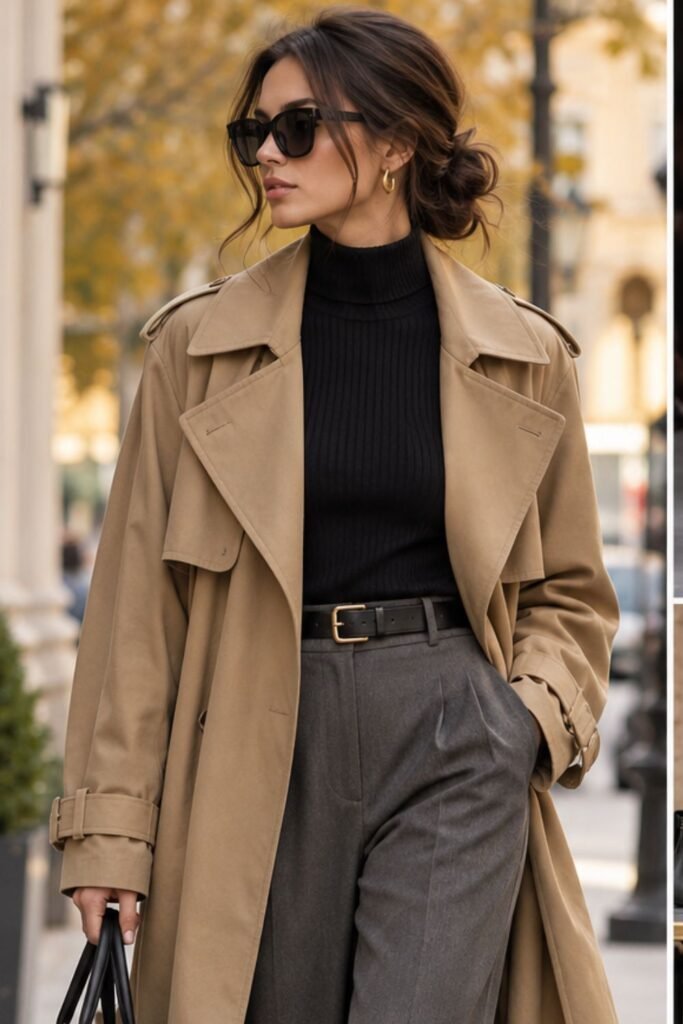
Runway trenches this season lean on drape and movement: soft shoulders, deep storm flaps, and belts left loose or tied at the back. To wear the idea, let the coat lead and keep everything underneath simple. Choose a trench one size roomier than usual, or one cut in a fluid gabardine, and pair it with straight trousers that skim the top of the shoe. A fine merino crewneck or a crisp white shirt keeps the base clean. Finish with loafers or a low block heel and a structured bag in the same family as the coat, such as camel, stone, or chocolate.
Best for: Workdays, city errands, and transitional weather.
Statement Skirt + Fine-Gauge Knit
A dramatic skirt is far easier to wear when the top stays quiet. Look for one strong feature, such as a bubble hem, deep pleats, a fluid satin bias cut, or a textured jacquard, then pair it with a fitted fine-gauge knit in a solid color. Tucking the knit in, or choosing a cropped length that ends at the waistband, shows off the shape of the skirt and keeps the proportions balanced. Midi lengths look best with knee-high boots or slim ankle boots in fall. Keep jewelry small so the skirt stays the focal point.
Best for: Dinner, office, galleries, and smart daytime events.
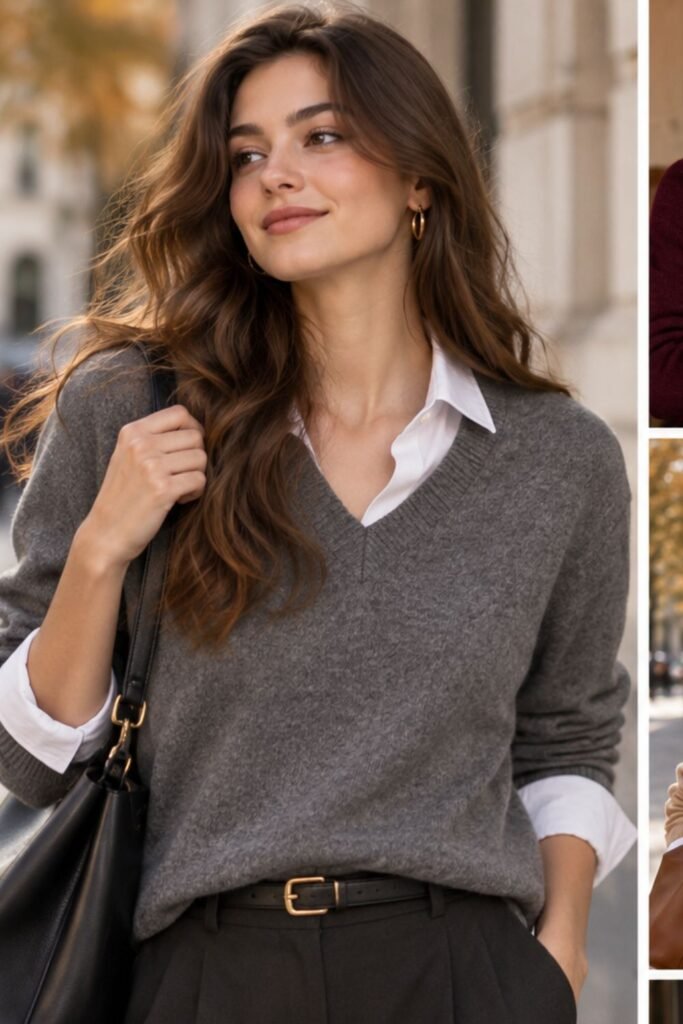
Half-Tucked Collar Under a V-Neck Sweater
This styling trick needs no shopping at all. Layer a crisp cotton shirt under a V-neck sweater, then tuck one side of the collar inside the neckline and leave the other side out. The small asymmetry makes a familiar pairing look considered. It works best with a sweater that has a fairly deep V and a shirt with a medium point collar, since button-down collars can look fussy. Keep the sweater fitted through the body, tuck the front hem loosely into trousers or a skirt, and add simple gold earrings so the collar detail carries the outfit.
Best for: Preppy wardrobes and office-casual dressing.
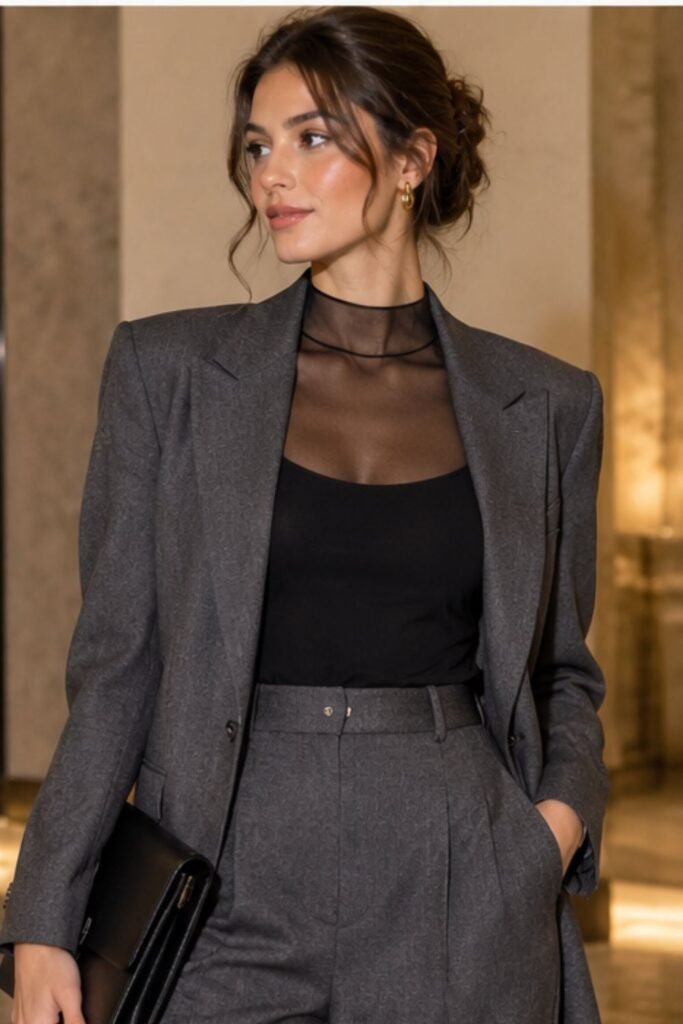
Sheer Layer Under Tailoring
Sheer fabric looks polished when it appears as one controlled layer. Try a mesh or chiffon blouse under a fitted blazer, with a slip, camisole, or opaque bralette in a matching tone underneath. Black on black is the easiest starting point, and nude tones work if they closely match your skin. The blazer covers most of the transparency, so the effect shows mainly at the sleeves and neckline. Add straight trousers or a slim skirt and keep the shoes sleek. Our lace layering outfit ideas cover more ways to wear delicate fabrics over a solid base.
Best for: Evening, creative offices, and dressier events.
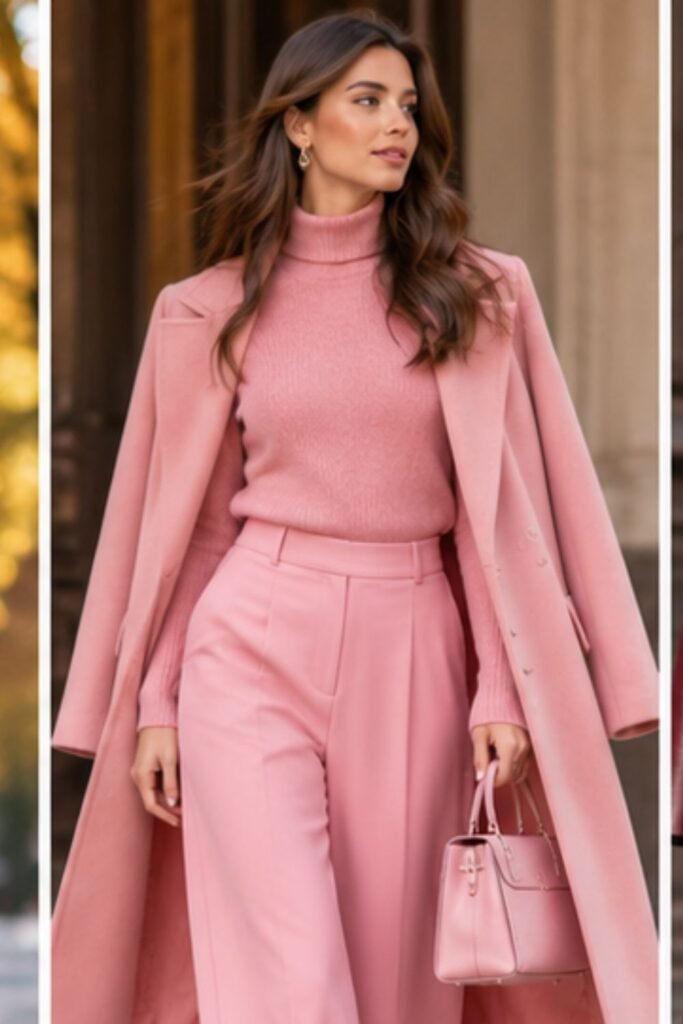
Tonal Red or Pink Color Story
Tonal dressing gives an outfit impact without any print mixing. Choose two or three related shades, such as cherry with burgundy or dusty rose with raspberry, and spread them across a knit, a skirt or trousers, and a coat. Varying the textures with wool, satin, and suede keeps the look from appearing flat. Ground the colors with shoes and a bag in black, brown, or cream. If a full red outfit feels like too much, start with two pieces and one neutral layer. Our guide to burgundy, chocolate, and olive fall outfits shows how deeper shades work with the same approach.
Best for: Anyone who wants color without a loud multicolor outfit.
Scarf Draped Across the Shoulders
Moving a scarf from the neck to the shoulders turns it into a soft outer layer. Use a large square or long rectangular scarf in wool, cashmere, or heavy silk twill, fold it into a triangle, and drape it over one or both shoulders on top of a knit or shirt. Knot it loosely at the front, or let the ends hang and hold them in place with a belt at the waist. The look works best over simple bases such as a crewneck sweater and straight jeans. On colder days, wear it over a light jacket for extra warmth.
Best for: Mild fall days and minimal wardrobes.
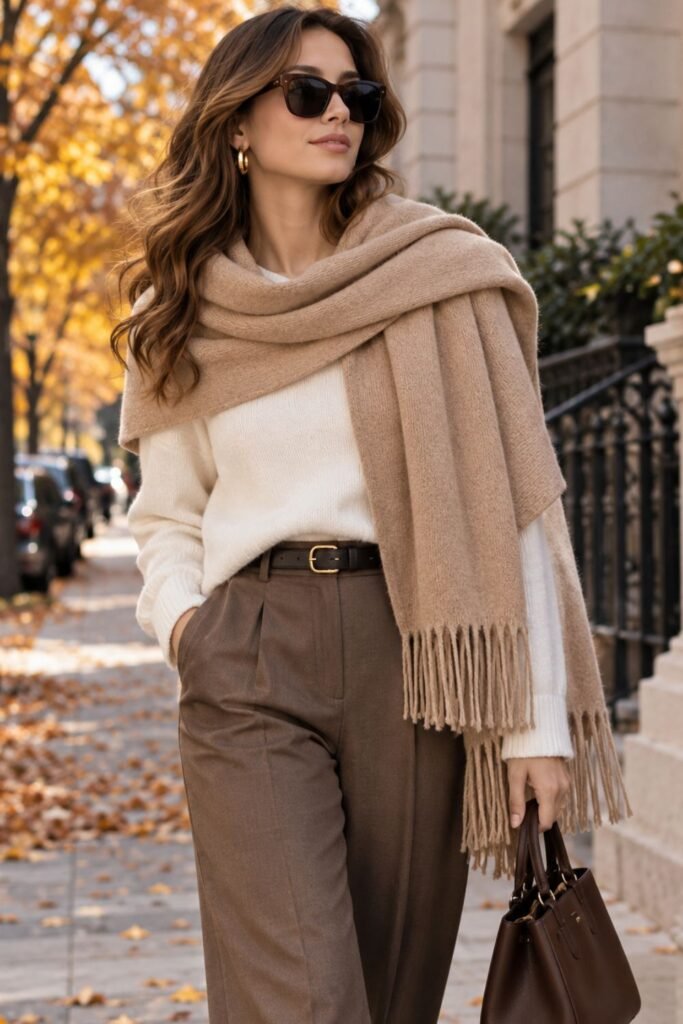
Nipped-Waist Denim Jacket + Wide-Leg Jeans
Fall 2026 denim plays with waist definition and fuller leg shapes. A cropped or belted denim jacket that nips in at the waist balances high-rise wide-leg jeans and creates an hourglass line in a fabric most people already wear every day. Keep both pieces in the same or a very close wash so the outfit reads as one deliberate silhouette. Add a fitted tee or thin turtleneck underneath, then pointed boots or loafers to lengthen the leg. If your jacket is boxy, a slim leather belt worn over it sharpens the waist.
Best for: Casual weekends and contemporary denim dressing.
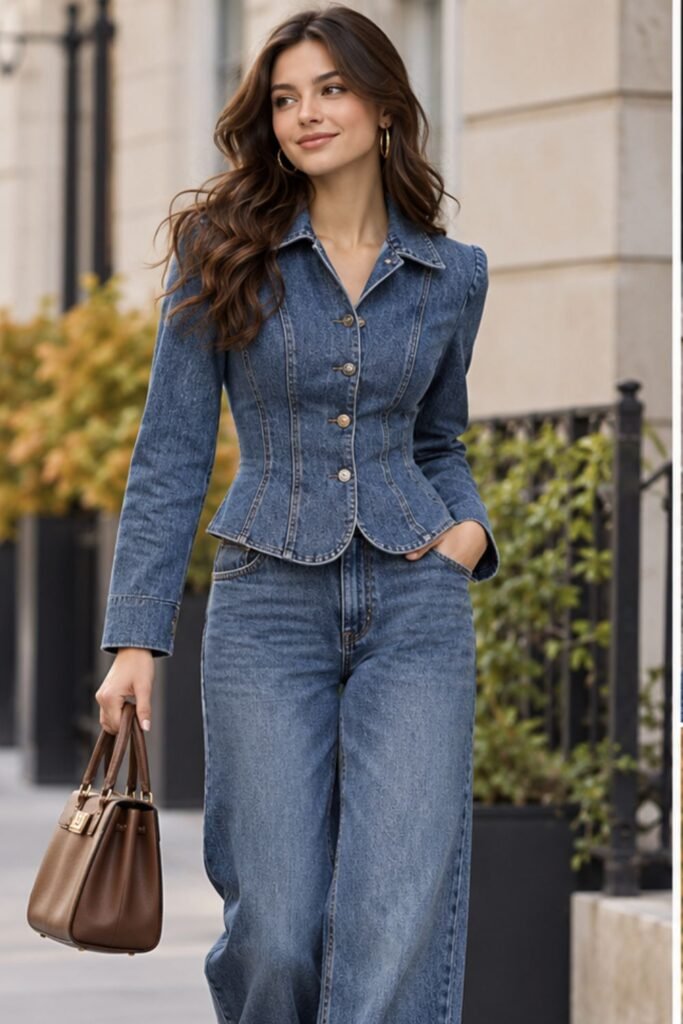
Brooch on a Minimal Blazer
The brooch is one of the simplest runway ideas to borrow because it changes a familiar blazer without touching its fit or function. Pin a single oversized brooch on the lapel, or cluster two or three smaller ones for a collected look. Vintage costume pieces, pearl clusters, and sculptural metal designs all work. Choose a blazer in a smooth, plain fabric such as wool crepe or gabardine so the brooch stands out, and skip any statement necklace that would compete with it. Pinned just below the collarbone it looks classic; placed near the shoulder seam it feels more editorial.
Best for: Work, dinners, and anyone refreshing a classic wardrobe.
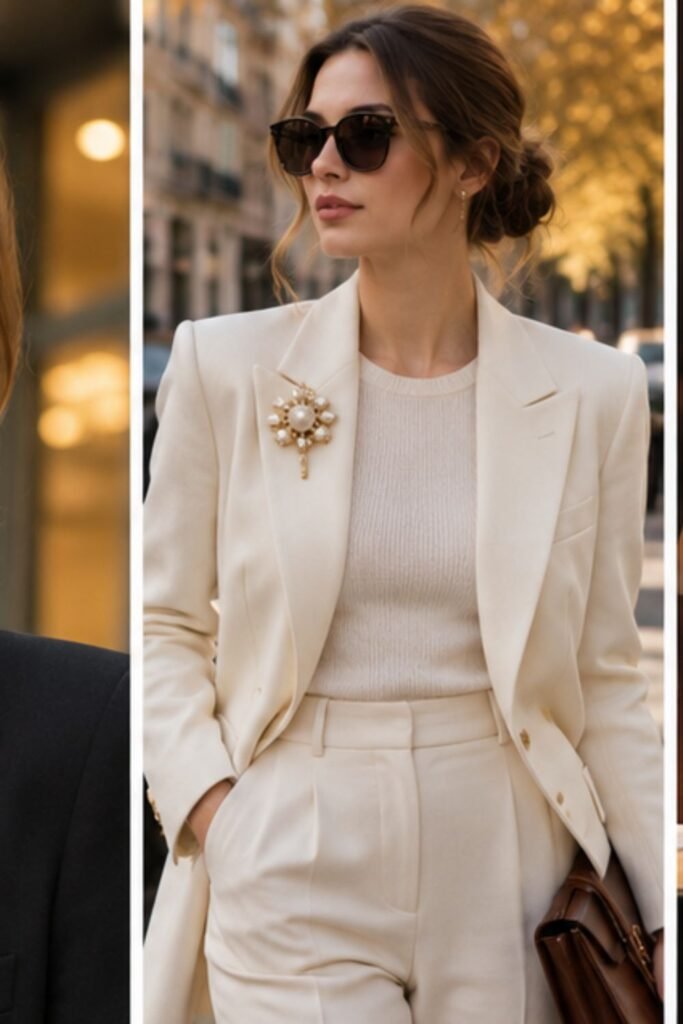
Sharp Blazer + Relaxed Trousers
The contrast between structure and ease translates well when only one piece is strongly tailored. Choose a blazer with defined shoulders and a straight or nipped body, then pair it with relaxed trousers in a soft fabric such as wool flannel, crepe, or drapey twill. The trousers keep the blazer from reading as a full power suit, so the outfit moves easily from desk to dinner. A plain tee or fine knit underneath keeps it modern. If you prefer a bigger silhouette, our oversized suiting ideas for women take this proportion further.
Best for: Office and polished daywear.
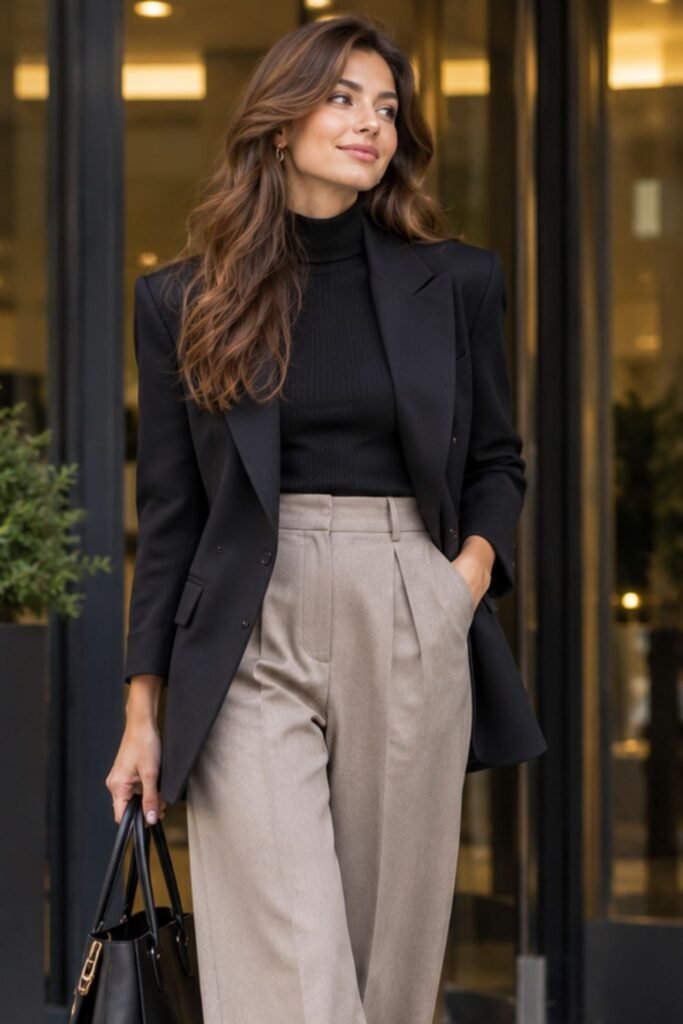
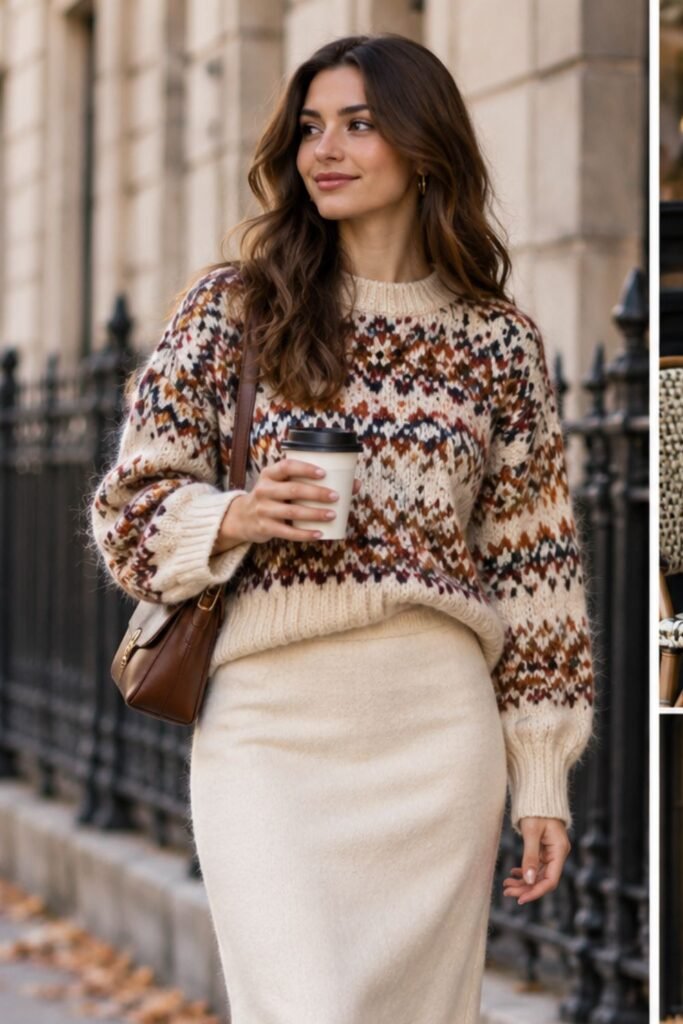
Playful Knit + Plain Column Skirt
Bold knits with intarsia motifs, contrast trims, or chunky textures are easier to live with when everything around them is calm. A plain column skirt in wool, satin, or ribbed knit gives enough structure to make the sweater look intentional. Choose a midi or maxi length that falls straight from the hip, and either pick up one color from the sweater or keep the skirt neutral. Slim knee-high boots and ballet flats both work. Let a cropped knit sit at the waistband; a longer sweater looks best with a partial front tuck.
Best for: Weekend lunches, casual offices, and creative wardrobes.
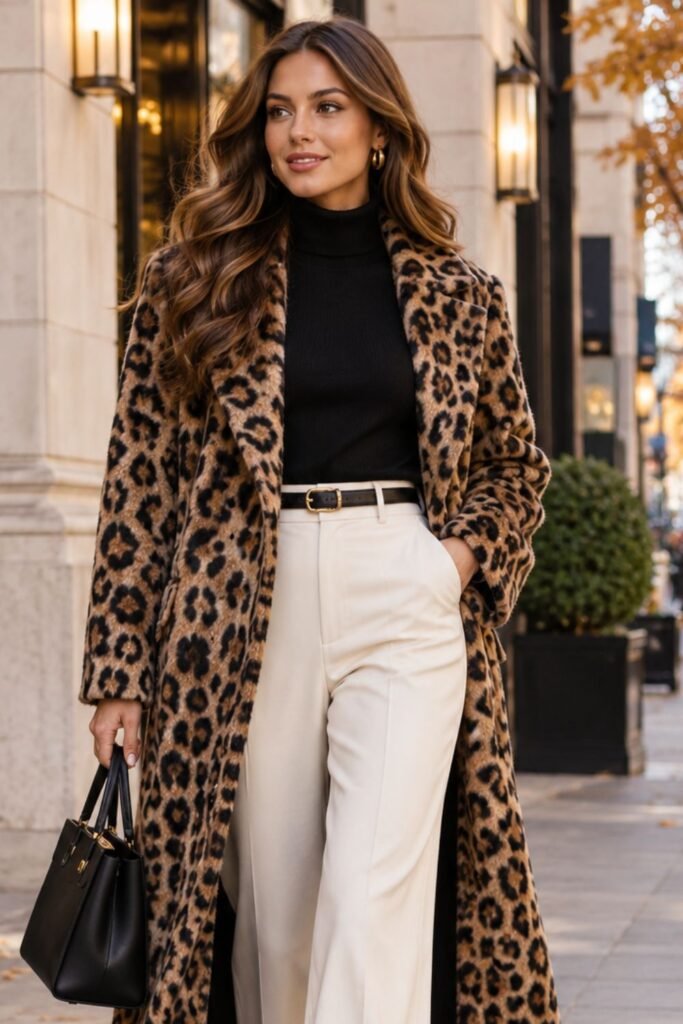
Printed Coat Over a Neutral Base
Statement outerwear is among the easiest runway ideas to adopt because you can take it off indoors. Animal prints, plaids, florals, and graphic jacquards all work on a coat as long as the outfit underneath stays quiet. Build the base in one neutral, such as black, camel, gray, or cream, using a knit, trousers, and simple boots. Repeat one color from the print in your bag or scarf to tie everything together, and keep other prints out of the look. A knee-length or longer cut gives the pattern the most impact.
Best for: Cold-weather city dressing and evening plans.
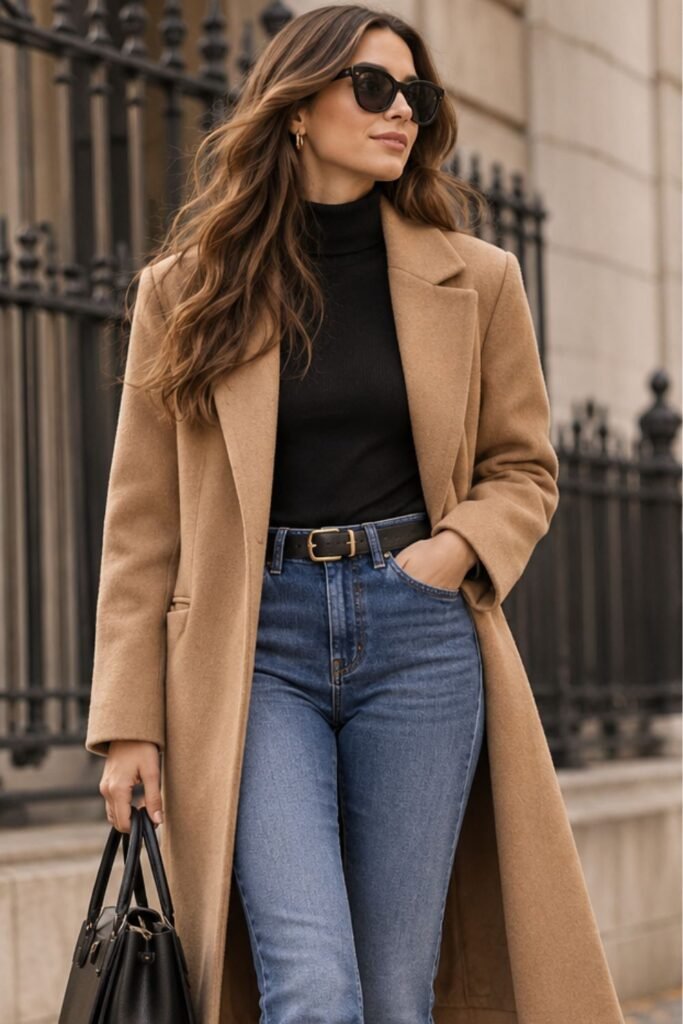
Slouch Bootcut Jeans + Tailored Coat
A relaxed bootcut with a slightly lower rise and a gentle slouch through the thigh feels current without an extreme silhouette. Pair it with a long, straight tailored wool coat to give the jeans enough polish for dinners and city weekends. Check the hem: it should reach the top of your shoe and almost skim the floor in heels or boots. Pointed ankle boots lengthen the leg, while chunky loafers make the look more relaxed. A fine knit or a simple button-down shirt completes the outfit.
Best for: Casual dinners, city weekends, and denim-focused wardrobes.
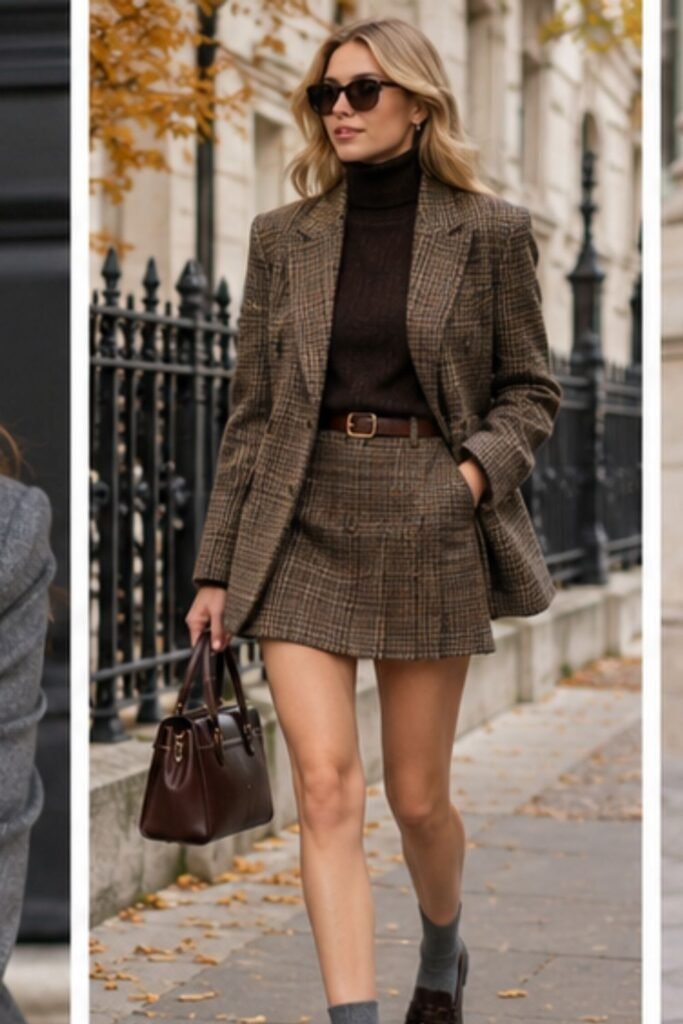
Schoolboy Tailoring + Socks and Loafers
Schoolboy styling borrows from uniforms: a slim or boxy blazer, pleated trousers or a short kilt, a striped shirt or tie-neck blouse, and penny loafers. It looks playful and grown-up at once when the tailoring is clean and fits well. The key detail is the sock. Choose a fine knit sock that repeats a color from the outfit, such as burgundy with navy tailoring or cream with gray, and let it show between the hem and the loafer. Cropped trousers and polished leather loafers keep the look sharp, and a structured top-handle bag finishes it.
Best for: Preppy wardrobes and creative office dressing.
High-Low Denim + Dressy Accessories
Pairing everyday denim with polished details is one of the most repeated ideas on Fall 2026 runways and in street style. Start with straight or wide jeans and a simple tee or knit, then add one or two dressy elements: a satin blouse, kitten heels, pearl drops, a sleek leather belt, or a structured evening bag. The mix feels modern because the outfit sits between casual and formal. Keep the jeans in a clean dark or mid wash without heavy distressing so the dressy accessories look deliberate. The combination carries you from lunch to drinks without a change.
Best for: Everyday city dressing and casual dinners.
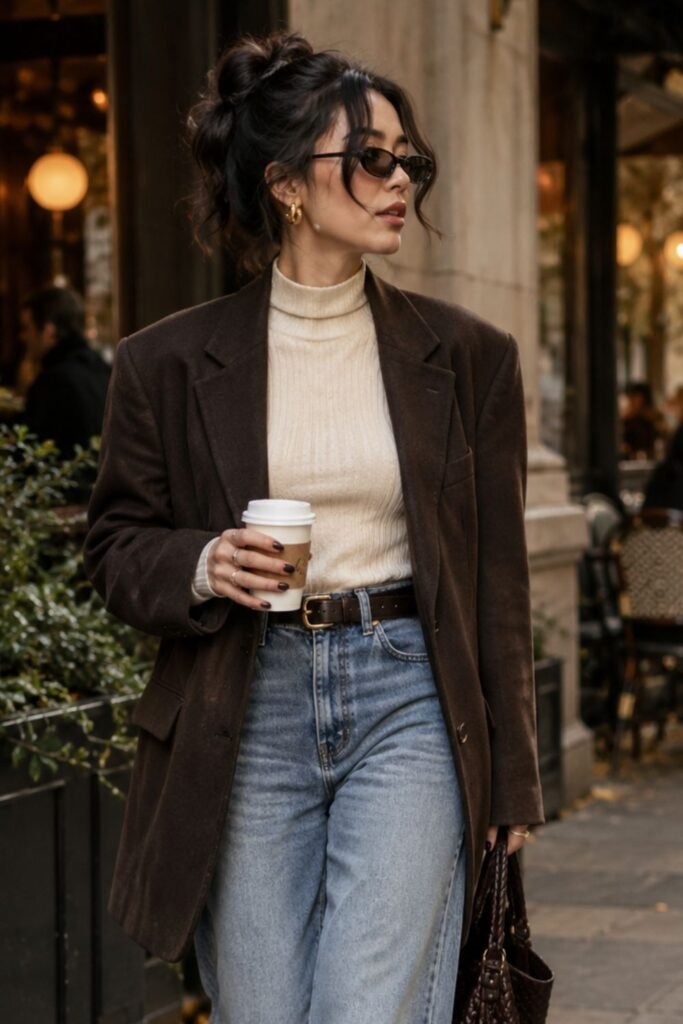
Tonal Minimalism With One Runway Detail
This is the easiest way to borrow runway drama without rebuilding your wardrobe. Dress in a single color family, such as all cream, all gray, or all chocolate, using simple shapes like a knit, straight trousers, and a long coat. Then add one unusual detail: a cape-style scarf, an exaggerated cuff, a sculptural earring, or a bag with an unexpected shape. The quiet base gives that single element space to register. Keep it to one detail per outfit and repeat the formula through the week with different accents.
Best for: Minimalists who want a current look without obvious trend stacking.
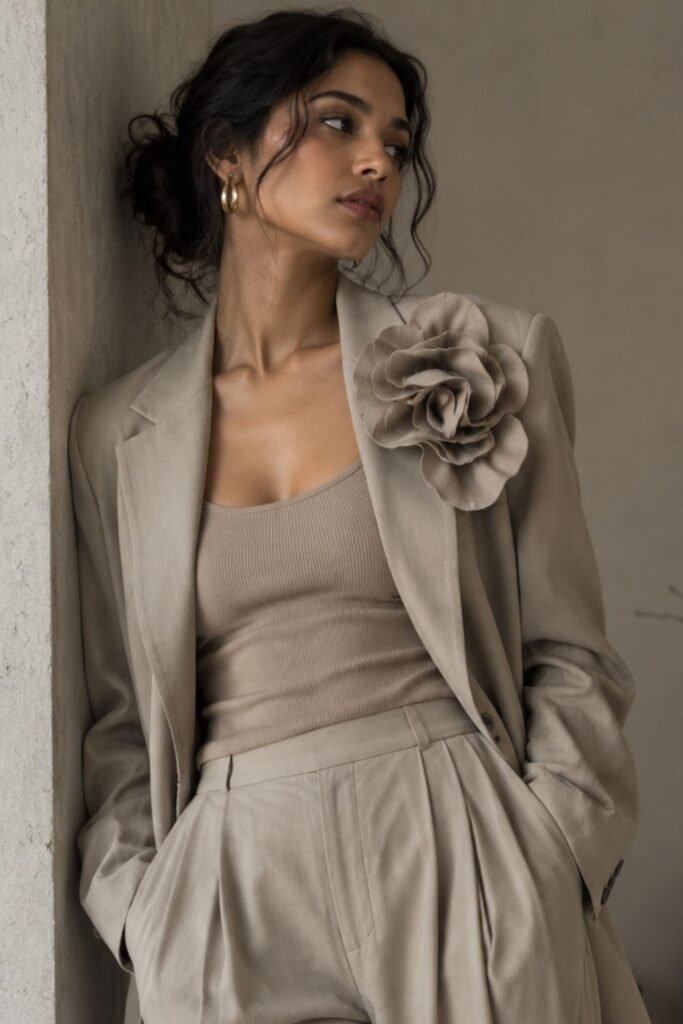
What Makes Runway-to-Real-Life Looks Wearable?
Function is the first test. Can you sit, walk, layer a coat over it, carry a bag, and wear the shoes for the actual day you have planned? A runway proportion may be beautiful precisely because it exaggerates. Translating it often means reducing the scale while keeping the idea.
The second test is visual hierarchy. A real-life outfit rarely needs three runway-level statements at once. If the coat is printed, keep the base quiet. If the skirt is sculptural, let the knit stay clean. If the brooch is oversized, skip the competing necklace.
Use Styling Tricks Before Buying New Clothes
Several of Fall 2026’s most interesting runway ideas are styling choices you can try with clothes already in your closet. A scarf moved from the neck to the shoulders, a shirt collar tucked asymmetrically, a brooch added to an old blazer, or two related colors worn together can update a wardrobe without a major purchase.
This is also why street style is useful. It shows which runway ideas can survive sidewalks, commutes, weather, and real footwear.
Useful Redounds Reads
For classic wardrobe foundations that can carry runway details, see our old money outfit ideas for women. For knit-focused everyday styling, the cozy cardigan outfit guide is a useful companion. If you like casual high-low dressing, our concert outfit ideas mix denim, metallics, boots, and bold accessories in ways that also work well away from the concert crowd.
Frequently Asked Questions
What does runway-to-real-life style mean?
It means taking the core idea of a runway look, such as silhouette, color, layering, or accessories, and reducing or adapting it so the outfit works for everyday movement, weather, dress codes, and comfort.
Which Fall 2026 runway trends are easiest to wear?
Draped trenches, tonal color stories, brooches, statement skirts, strong blazers, playful knits, scarf styling, and updated denim are among the easiest because they work with familiar wardrobe pieces.
Do I need designer clothes to recreate runway trends?
No. Most styling ideas can be recreated through proportion, color, layering, and accessories. What matters is the design logic behind the look, and that is available at any price point.
How do I stop a runway-inspired outfit from looking like a costume?
Use one strong idea at a time. Pair an unusual skirt with a simple knit, or a bold coat with neutral basics. Keeping the rest of the outfit functional makes the statement feel intentional.
Can runway trends work for office outfits?
Yes, especially through tailoring, tonal color, brooches, scarves, statement skirts, and updated trousers. Sheer layers or extreme volume may need to be softened depending on the workplace.
What is the easiest styling trick to try without shopping?
Reposition an accessory or layer differently. Try a scarf across the shoulders, a brooch on a blazer, a partially concealed shirt collar, or two related shades worn together.
How can I make bold runway color easier to wear?
Use tonal dressing or one color accent. Two nearby shades, such as burgundy and cherry or dusty pink and rose, usually feel more controlled than several unrelated brights.
Why is street style useful for runway inspiration?
Street style shows how fashion ideas behave outside a controlled runway environment. It reveals practical footwear, outerwear, bag choices, layering, and the scale of trends people actually wear.
The Practical Takeaway
The best runway-to-real-life looks keep the runway idea and edit the excess. Pick the element that made the original outfit memorable, then make everything around it easy to move in, layer, repeat, and wear again. Fall 2026 is an expressive season, and one well-chosen detail is enough to make an outfit feel current.