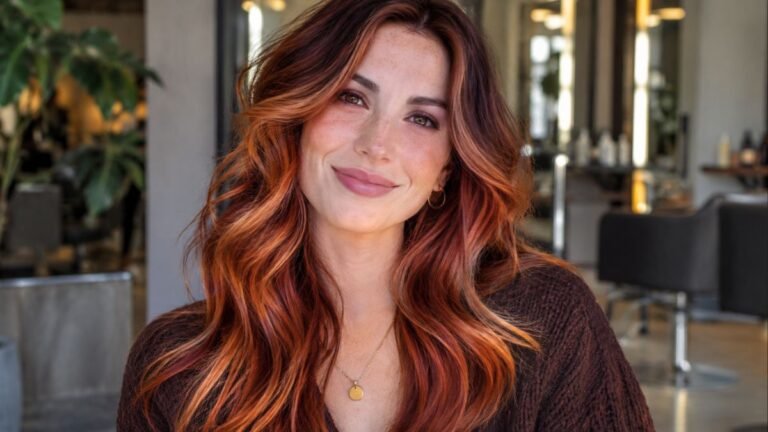


Micro bob haircuts sit between a chin-length bob and a pixie: compact, close to the face and more precise than a soft lob. The newer versions are softer and easier to wear than the razor-sharp cuts of a few seasons ago, which is why so many people are finally trying one.
Below are 16 versions, from blunt and graphic to curly, flipped and fringed, each with notes on who it suits, how to ask for it and how to keep it looking sharp. If you are still deciding on overall length, our guide to short bob haircuts compares a wider range of shapes.
What Counts as a Micro Bob?
A micro bob usually sits between the cheekbone and the jawline, shorter than a classic chin-length bob and clearly longer than a pixie. Length is only part of it. The defining feature is the compact perimeter: the cut hugs the face, shows more of the neck and relies on deliberate shape rather than long layers.
The finish can vary. A micro bob can be blunt, softly textured, curly, flipped, fringed or slicked back, as long as the short bob outline stays obvious.
Quick Guide: Choose Your Micro Bob
| Hair Situation | Strong Direction | Main Advantage | Consider |
|---|---|---|---|
| Fine, straight hair | Blunt or rounded micro bob | Keeps the perimeter visually dense | Avoid excessive thinning |
| Wavy hair | Soft or tousled micro bob | Natural movement breaks up the line | Cut with the wave pattern in mind |
| Curly or coily hair | Rounded curly micro bob | Creates a compact sculpted shape | Plan for shrinkage |
| Strong jaw or cheekbone focus | Cheekbone or center-part micro bob | Makes facial structure more visible | Length placement matters |
| Lower styling commitment | Soft jaw-length or grown-out version | Easier transition and daily styling | Still needs regular shape maintenance |
Soft Jaw-Length Micro Bob
This is the most wearable version: short enough to feel like a real change, but soft enough to move. Ask for a clean perimeter right at the jawline with light texturizing inside so the ends do not look heavy. Styling is quick: rough-dry, then smooth the ends with a round brush or a flat iron. It is a good first micro bob for anyone moving from shoulder length, since it grows into a classic bob easily. Plan on a trim every six to eight weeks to keep the line crisp.
Best for: straight to softly wavy hair with fine to medium density.

Cheekbone Micro Bob
Taking the length above the jaw makes the cut more graphic and draws attention to the cheekbones and neck. It is the boldest version here, so bring a photo and point to exactly where you want the ends to land. Fine and medium hair hold this shape well, and it pairs nicely with statement earrings since the ears and jaw are on show. Styling needs only a little smoothing cream and a blow-dry. Because every bit of growth shows at this length, expect to book trims about every four to six weeks.
Best for: straight or slightly wavy hair, and anyone ready for a high-commitment short cut.

Blunt Micro Bob With Center Part
A center part emphasizes symmetry and turns the blunt perimeter into the main feature. Ask your stylist to cut the line with the hair dry and parted where you wear it, so the ends fall evenly. Because the shape is so clean, regular trims matter more than elaborate styling. A flat iron pass and a drop of shine serum are usually all it needs. This suits oval and heart-shaped faces especially well and looks polished at work with almost no effort. For a slightly longer take, see these chin-length blunt bob hairstyles.
Best for: straight hair with fine to medium density.

Side-Swept Micro Bob
A deep side part changes the balance of the cut without changing the haircut itself. It softens the look when a center part feels too severe and adds movement on one side of the face. Ask your stylist to check the cut with your usual part so the heavier side does not fall into your eyes. Blow-dry the hair toward the opposite side first, then flip it back, which builds lift at the root. This works well for round and square faces, since the diagonal line breaks up width.
Best for: straight, wavy or softly curly hair.

French Micro Bob With Soft Fringe
Adding a fringe draws attention up to the eyes and makes the short perimeter feel less stark. The best version keeps both the bangs and the bob light enough to move, with a slightly rough, lived-in edge instead of a hard line. Ask for brow-skimming bangs that are point cut, with ends that graze the cheekbone or jaw. Air-dry with a little texture cream, then smooth the fringe with a small round brush. It suits oval, long and heart-shaped faces and looks effortlessly chic with minimal makeup.
Best for: straight or wavy hair with fine to medium density.

Micro Bob With Micro Bangs
This is the most architectural option on the list. Short bangs that sit well above the brows reinforce the cropped proportions and make the haircut feel deliberate. It is a bold choice that works best on oval faces and on anyone comfortable with a fashion-forward look. Ask for the fringe to be cut on dry hair so it does not end up shorter than planned. Style the bangs flat with a mini flat iron or a quick blow-dry. Fringe trims every three to four weeks keep the shape sharp, and many salons offer quick bang trims between full cuts.
Best for: straight hair and anyone comfortable with frequent fringe trims.

Wavy Micro Bob
Soft bends give a micro bob movement without hiding its shape. The key is keeping the compact perimeter while texture breaks up the surface. Ask your stylist to cut with your natural wave in mind, leaving enough weight at the ends so the bob does not puff out. At home, scrunch in a light mousse and diffuse, or create loose bends with a flat iron on straight hair. A sea salt spray adds grip on second-day hair. This style suits most face shapes and feels relaxed enough for every day.
Best for: naturally wavy hair or straight hair that holds a loose bend.

Curly Micro Bob
Curly micro bobs work best when the cut is planned around the hair’s dry shape. Remove too much weight inside and the silhouette collapses, but leave too much and the sides look bulky. Look for a stylist who cuts curls dry, curl by curl, and ask for a rounded outline that sits at the jaw once your curls spring up. Use a leave-in conditioner and curl cream, then diffuse on low heat. For more ideas built around natural texture, browse these hairstyles for naturally curly hair.
Best for: curly hair with enough density to hold a short, rounded shape.

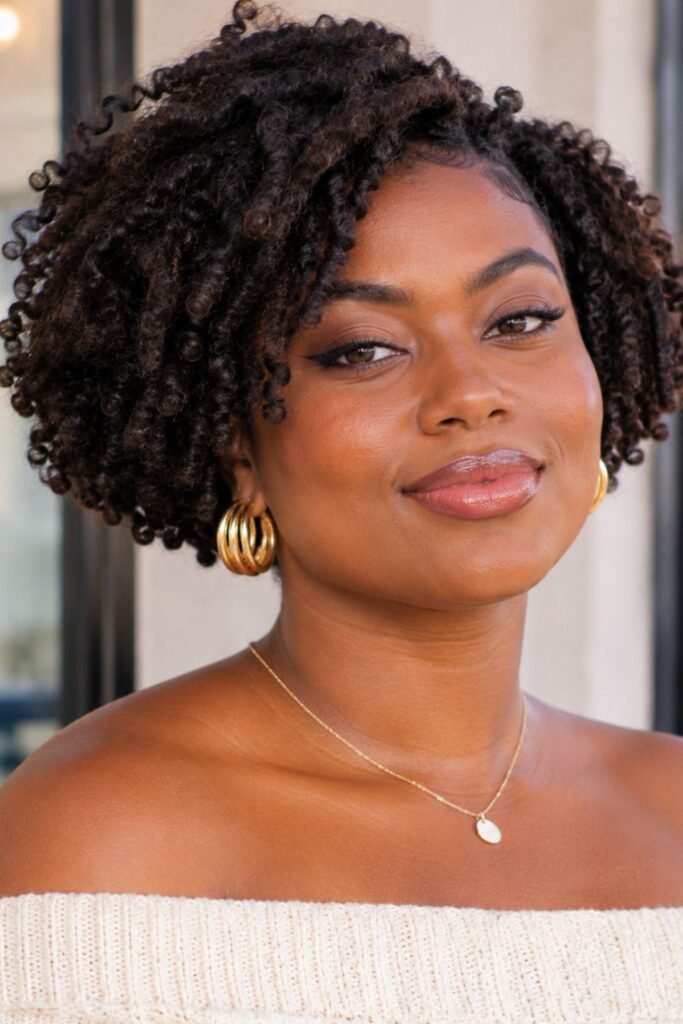
Coily Micro Bob
On coily hair, the final shape comes from both the outline and natural shrinkage. A clear, deliberate perimeter helps the style read as a micro bob instead of a general short cut. Ask your stylist to shape the hair in its natural, dry state and to account for how much shorter it will look after washing. Moisture is everything at this length, so use a rich leave-in and a light oil, and sleep on satin to protect the shape. This cut looks striking with bold earrings and minimal styling.
Best for: coily textures with medium to high density.
Wet-Look Micro Bob
A wet-look finish makes the short geometry even more visible and works especially well for evenings and events. It is a styling choice rather than a separate haircut, so the shape underneath still needs to be strong. Comb a gel or strong-hold cream through damp hair, set your part, and smooth everything back or behind the ears. Let it air-dry or use a diffuser on low so the finish stays glossy. A bold lip and simple gold hoops complete the look. Wash it out the next day to avoid buildup.
Best for: straight or wavy micro bobs and special-event styling.

Flipped-End Micro Bob
A small outward flip changes the mood without adding layers. It brings a 1960s feel to a very current cut and works best when the perimeter stays crisp. Use a round brush or a flat iron to turn the ends out just at the bottom, keeping the length smooth and straight above. A light hairspray holds the flip without stiffness. This style suits oval and long faces, since the flip adds width at the jaw. Wear it with a headband or a deep side part for a playful vintage touch.
Best for: straight or slightly wavy hair.

Old Hollywood Micro Bob
Structured waves turn the micro bob into a formal look. The shape works because the waves follow the jawline rather than spreading out beyond it. Set the hair with a 1-inch curling iron, curling every section in the same direction, then brush the curls out into soft S-shaped waves. Pin the wave crests with clips for a few minutes for extra hold. This is a lovely option for weddings, galas and holiday parties. Pair it with a red lip and a deep side part to complete the vintage mood.
Best for: fine to medium hair that can hold polished waves.

Tousled Textured Micro Bob
This version is intentionally less polished. Surface texture gives fine or straight hair more movement while keeping the overall cut compact. Ask for light point cutting through the ends, then style with a texture spray or a little paste worked through dry hair with your fingers. It looks best a little imperfect, so skip the round brush. This is the easiest micro bob to style on busy mornings and suits most face shapes. If you like this relaxed finish, our short step haircut ideas offer more texture and layering.
Best for: fine to medium hair and anyone who prefers an undone finish.
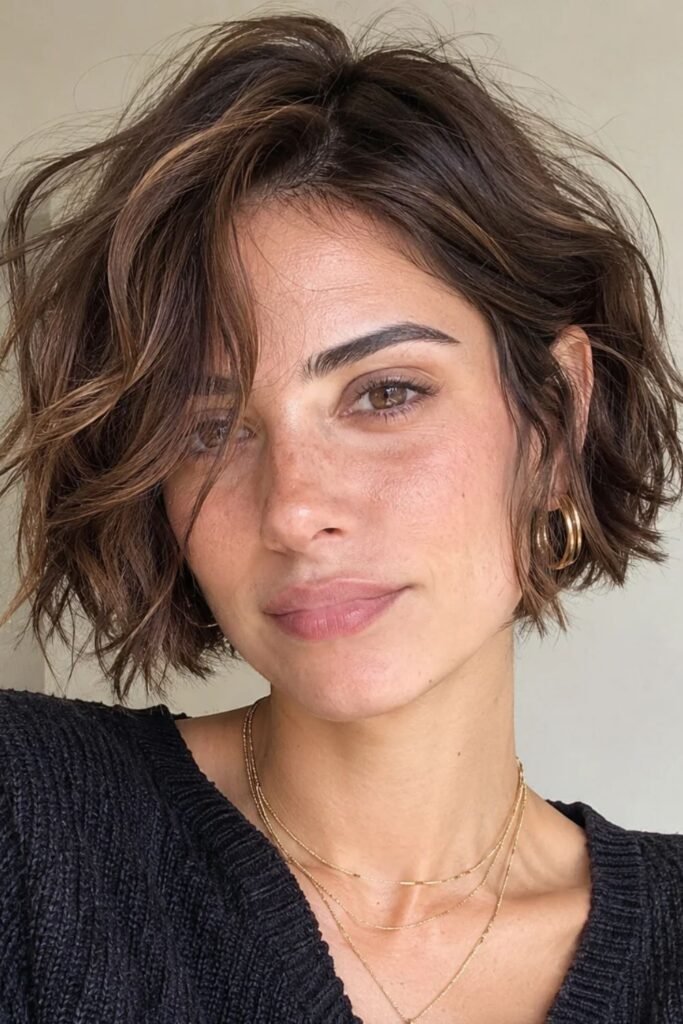
Micro Bob With Long Side Pieces
A little extra length around the face softens a very short cut and gives you more styling options. The front pieces should feel deliberate, so ask for them to angle gently down toward the chin rather than looking like an unfinished grow-out. They can be tucked behind the ears, curled away from the face or worn straight to frame the cheekbones. This version flatters round, square and heart-shaped faces because the longer front creates a slimming vertical line. Similar angled shapes appear in these asymmetric bob ideas.
Best for: round, square or heart-shaped faces and straight to wavy hair.

Rounded Volume Micro Bob
Volume makes the cut look fuller without losing its short proportions. This is especially useful on fine hair, as long as the baseline stays strong. Ask for minimal thinning and a slightly graduated back that gives lift at the crown. Blow-dry with a medium round brush, lifting at the roots and curving the ends under. A root-lifting spray and a dry texture spray help hold the shape all day. This style suits long and oval faces and looks polished at any age. Refresh the shape every six to eight weeks.
Best for: fine hair that needs visual fullness.
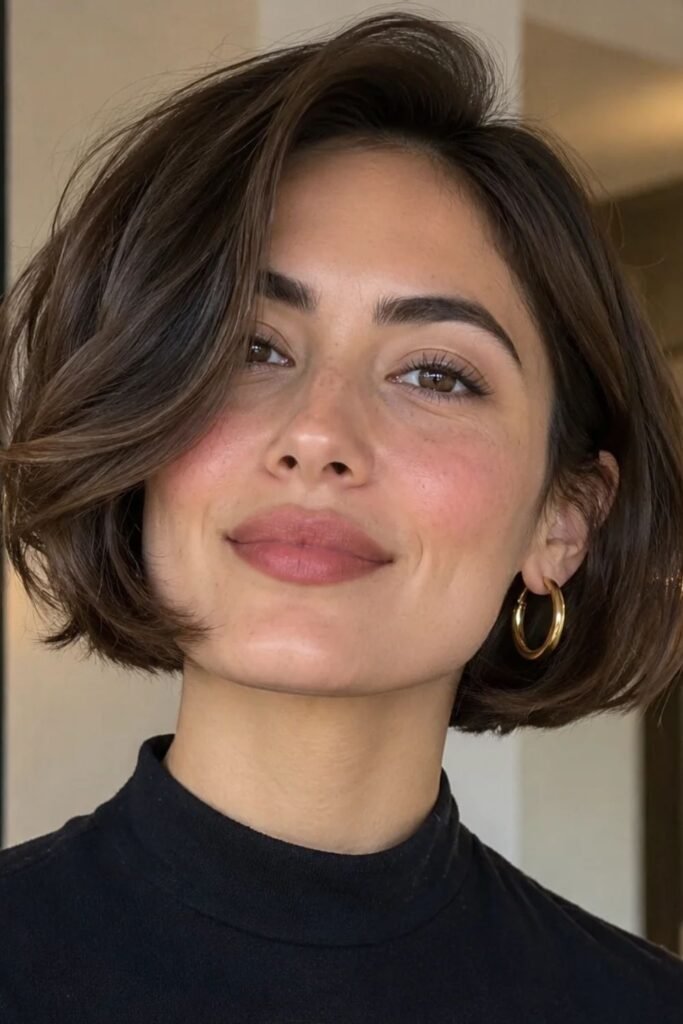
Grown-Out Micro Bob
A micro bob does not stop working the moment it grows. With a little shaping, the grow-out becomes a short classic bob, which makes the cut less intimidating for anyone worried about maintenance. Ask your stylist to tidy the perimeter and soften the back every eight weeks or so instead of cutting it all the way back. Side parts and tucked styles carry you through the in-between stage. For classic shapes to aim for as it grows, our guide to bob haircuts for older women compares lengths by face shape and texture.
Best for: anyone who wants a short cut with a graceful transition phase.

How to Ask for a Micro Bob at the Salon
Bring a photo that shows the exact length you want, because “micro bob” can mean cheekbone length to one stylist and jaw length to another. Point to where the ends should sit on your own face, and talk through whether you want a blunt edge, slight graduation, internal texture, a fringe or a softer grow-out shape.
Texture changes the result. Fine hair benefits from a strong baseline, while thick, curly or coily hair may need controlled internal shaping so the cut does not end up wider than you expected.
Do Micro Bob Haircuts Work for Every Face Shape?
They can, but where the length lands should change. A cut that ends at the widest point of the face has a different effect from one that falls to the jaw. Side parts, fringe, longer front pieces and volume can also shift visual weight without changing the haircut itself.
The most useful question for your stylist is where your micro bob should land on your face, given your texture and density.
How Much Maintenance Does a Micro Bob Need?
The shorter and more geometric the cut, the sooner small amounts of growth show. A blunt cheekbone bob usually needs reshaping more often than a softer jaw-length version. Daily styling can be simple, but precision takes upkeep.
The good news is that the grow-out is wearable. A micro bob can move naturally into a standard bob, so missing one trim will not ruin the haircut.
Frequently Asked Questions
What is the difference between a micro bob and a regular bob?
A micro bob is shorter, usually landing between the cheekbone and jawline. A regular bob often sits at the chin or below it. The micro version also relies more on a compact, deliberate perimeter.
Is a micro bob the same as a French bob?
Not exactly. A French bob is short and can overlap in length, but it usually includes a fringe and a softer, slightly undone finish. A micro bob is a broader length category and can be sleek, blunt, curly, flipped or fringe-free.
Can fine hair wear a micro bob?
Yes. A blunt or lightly textured micro bob can make fine hair look thicker because the ends stay dense. Heavy internal thinning has the opposite effect, so keep texturizing light.
Can thick hair wear a micro bob?
Yes, but thick hair often needs careful internal weight removal. The goal is to reduce bulk without weakening the perimeter that gives the cut its shape.
Does a micro bob work on curly hair?
Yes. Curl shrinkage has to be considered when setting the length, so a stylist may shape the cut around the dry curl pattern to make sure the finished bob lands where you want it.
How often does a micro bob need trimming?
There is no single schedule. The shorter and sharper the cut, the sooner growth shows. Softer micro bobs can go longer between trims than blunt cheekbone-length versions, often six to eight weeks compared with four to six.
Can I tuck a micro bob behind my ears?
Usually, if the side sections are long enough. A jaw-length version tucks more easily than a very short cheekbone bob. Ask your stylist to keep enough length at the front if tucking matters to you.
Is the micro bob still trending in 2026?
Yes. Shorter, softer bob shapes remain a popular haircut direction this year, and the micro bob’s quick styling and easy grow-out help explain its staying power.
Before You Cut
Micro bob haircuts work because their proportions are deliberate. Decide where the ends should land, how much density you want to keep, and how your natural texture changes the shape when dry. A good micro bob should look intentional on an ordinary day, not only after a salon blowout.