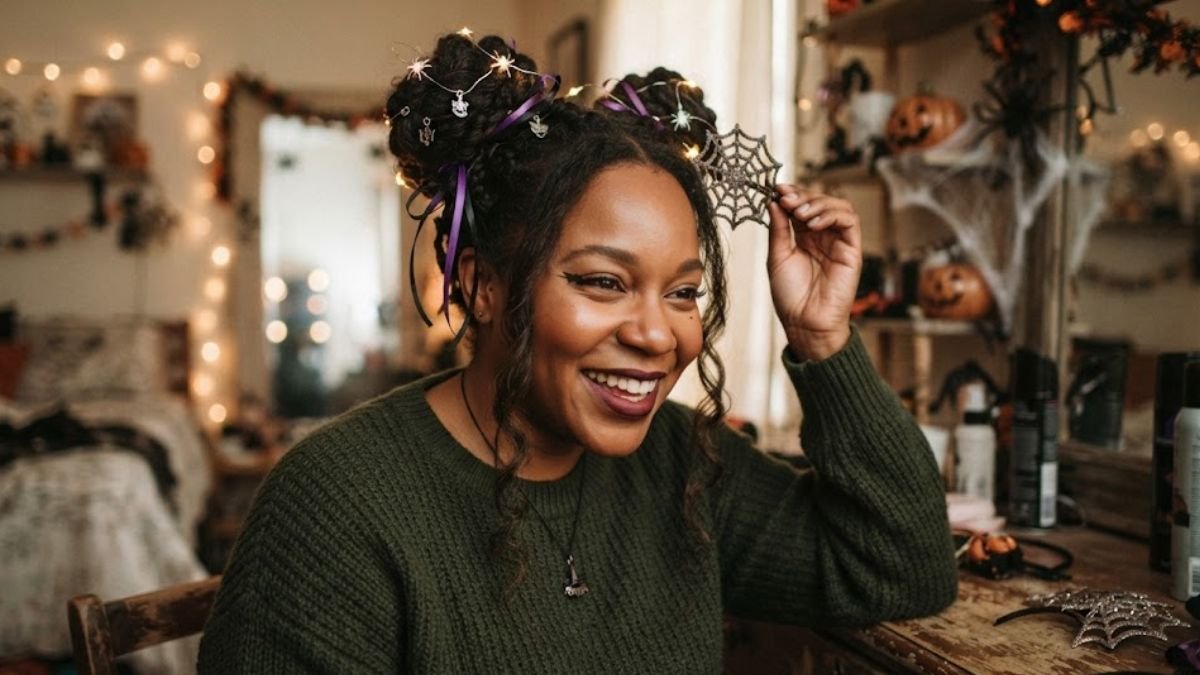
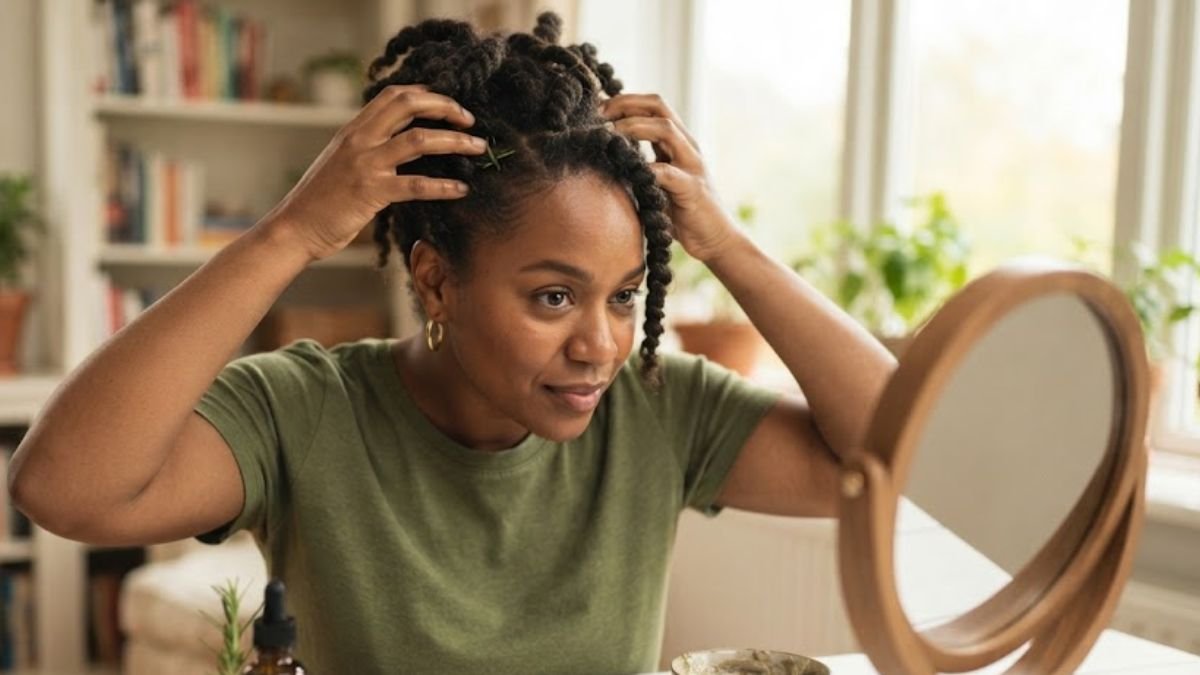
Hair grows approximately one to one-and-a-half centimetres per month for most women. That rate is largely determined by genetics.
What is within your control is how much of that growth you retain. These 10 tips focus on reducing breakage and supporting the conditions that let the hair that grows stay on your head.
Scalp and Root Tips
Scalp Massage
A five-minute scalp massage with the fingertips applied in small circular motions increases blood circulation to the hair follicles. Better circulation means more nutrient delivery to the follicle root.
Do it on dry hair before washing or on wet hair with a conditioning oil. Consistency matters more than technique. Five minutes daily for three months produces visible results in scalp health and hair density.
New year hairstyles for long hair cover long hair care routines and how scalp health maintenance supports the retention of new growth at longer lengths.
Keep the Scalp Clean
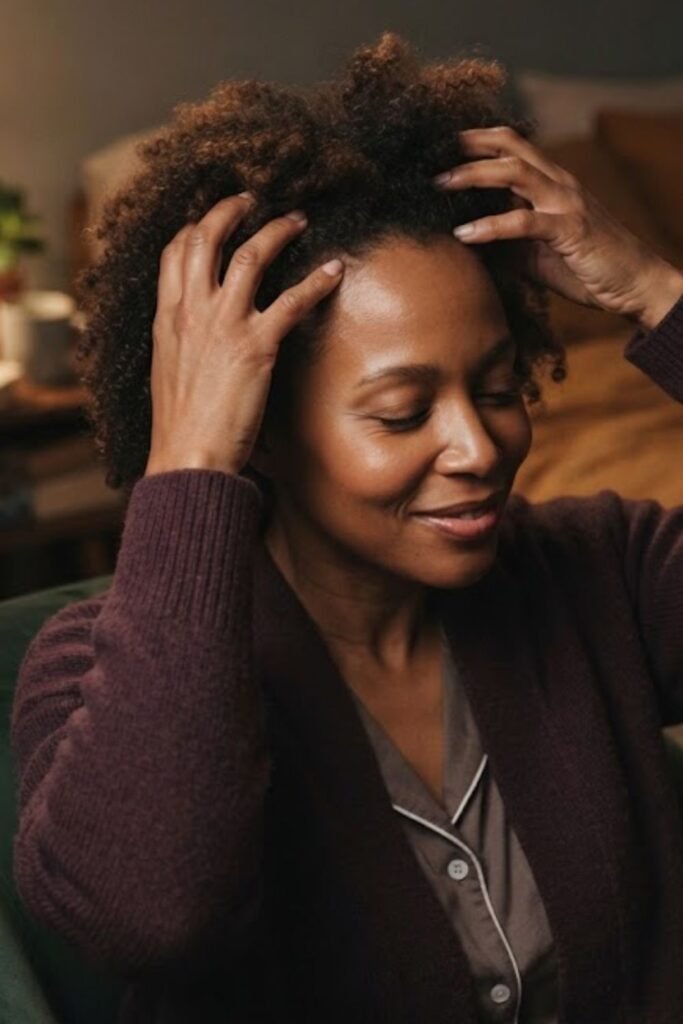
Product buildup and excess sebum on the scalp clog the follicle opening and can slow or impair new hair growth at the root. A clarifying shampoo used once every two to four weeks removes buildup that a regular shampoo does not clear.
A clean scalp is the most basic requirement for healthy hair growth. Everything else in this list works better when the scalp is free of obstruction at the follicle level.
Winter hairstyles for black women cover scalp care and cleansing routines specific to different hair types and how wash frequency affects scalp health and new growth conditions.

Reduce Heat at the Root
Applying heat tools directly at the scalp damages the follicle opening and the emerging new growth that is most vulnerable at the root. New growth at the scalp is finer and more fragile than the older hair below it.
Hold the blow-dryer at least fifteen centimetres from the scalp and begin on a low heat setting. Flat irons and curling wands should never contact the scalp. The damage done at the root level accumulates over time.
Dark cherry red hair color ideas cover heat protection practices at the root and how reduced scalp heat exposure supports the health of new growth alongside colour-treated hair.

Length Retention Tips
Trim Regularly but Strategically
Trimming does not make hair grow faster. It makes the growth you have stay on the head. Split ends that are not trimmed travel up the hair shaft and cause breakage higher up the length.
A trim every ten to twelve weeks removes the damaged ends before they break and prevents the loss of length that accumulated over the previous weeks. Trim less if the hair is in good condition. Never skip a trim entirely.
Long hair updos ideas for women cover how regular trim decisions affect the read and health of long retained lengths and which updo styles protect ends from further mechanical damage.

Protective Styling
Protective styles, braids, twists, buns, and updos that tuck the ends away from friction and manipulation, reduce the daily breakage that occurs when the ends are left loose and exposed.
The ends of the hair are the oldest and most fragile section. Keeping them protected rather than exposed reduces the daily micro-breakage that prevents many women from retaining length.
Trendy natural hair braids cover protective braid styles that tuck and secure the ends and how each style reduces mechanical damage to the most vulnerable section of the hair length, and braided cornrow hairstyles cover cornrow protective styles that keep the hair flat against the scalp and fully protected from daily manipulation.

Switch to a Silk or Satin Pillowcase
A cotton pillowcase creates friction against the hair shaft every night, roughing up the cuticle and causing micro-breakage along the length. A silk or satin pillowcase creates no friction. The hair slides across the surface rather than catching.
This is the simplest change on this list with an immediate effect from the first night. It requires no routine change, no product, and no additional time.
Valentine hairstyle ideas for women cover overnight hair protection methods that preserve styled lengths and reduce the morning detangling damage that contributes to daily breakage over time.

Nutrition and Moisture Tips
Protein and Moisture Balance
Hair is made of keratin, a protein. A hair strand that lacks protein is weak and breaks easily. A hair strand that lacks moisture is brittle and snaps.
Both are required. A protein treatment applied monthly, followed by a deep moisture conditioning treatment, maintains the structural integrity of the hair shaft and reduces the breakage that prevents length retention.
Caramel highlights on brown hair cover protein and moisture treatment routines specific to colour-treated hair and how the balance of both affects the retained length of highlighted or chemically processed hair.

Eat for Hair Health
Hair growth begins at the follicle and the follicle is fed by the bloodstream. A diet low in protein, iron, zinc, biotin, and omega-3 fatty acids produces slower growth and weaker strands.
Eggs, oily fish, nuts, leafy greens, and legumes are the food categories that support hair health most directly. No topical product compensates for a nutritional deficiency at the root level.
Winter hairstyles for black women cover internal health and nutrition approaches that support hair growth retention across different hair types and how dietary changes affect new growth quality over a twelve-week period.

Habit and Routine Tips
Detangle Gently and in the Right Direction
Ripping a brush or comb through tangled hair from root to tip causes significant breakage along the length. Starting at the ends and working upward in sections before reaching the root removes tangles without forcing the knot through a long stretch of fragile hair.
Use a wide-tooth comb or a detangling brush on wet hair with a leave-in conditioner applied first. Dry detangling on long hair without product causes more breakage than any single styling tool.
Long hair updos ideas for women cover detangling and preparation routines for long retained hair and how the direction and tool choice affect the cumulative breakage that prevents length from growing past the shoulders.
Avoid Tight Hairstyles Daily
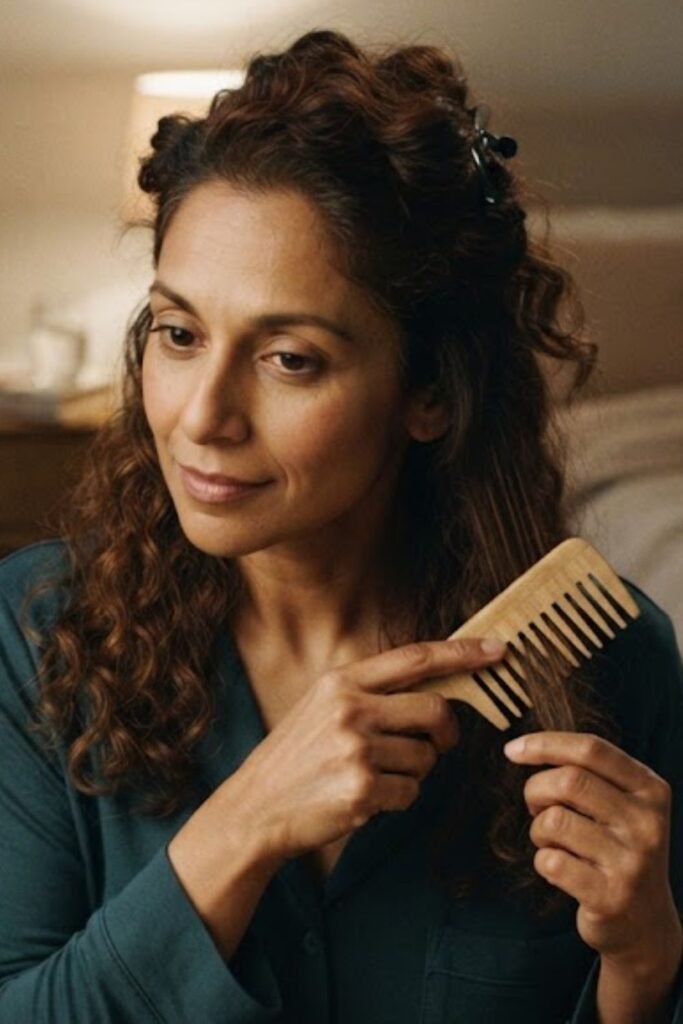
Tight ponytails, slick buns, and tightly pulled back styles apply constant tension to the hair at the points where the elastic or clip holds. That sustained tension causes traction alopecia, a specific form of hair loss at the temples and edges.
Alternate between tight and loose styles. When wearing a ponytail daily, vary the position so the tension point changes each day. Use fabric-covered elastics rather than rubber bands, which cut into the hair shaft.
Trendy natural hair braids cover protective styles that avoid tension at the edges and how braid and twist construction affects the level of traction applied to the hairline, and edgy boho outfit ideas in loose, relaxed styling contexts naturally pair with low-tension hair approaches that protect the hairline through daily wear.
The One Thing Most Women Get Wrong
Confusing Growth Rate with Retention
Most women who feel their hair is not growing are actually growing the standard one to one-and-a-half centimetres per month. The problem is that as much is breaking off at the ends as is growing at the root.
The goal of every tip in this article is not to make the hair grow faster. It is to keep more of what grows. Length retention, not growth acceleration, is what produces longer hair.
Patience Is the Most Important Factor
Six centimetres of growth is six months at the standard rate. Twelve centimetres is a year. There is no shortcut to that timeline. The only variable is how much of each month’s growth stays on the head.
A consistent routine maintained for six to twelve months produces results that no single product or single appointment can match.
Frequently Asked Questions
How fast does hair actually grow?
The average rate is approximately one to one-and-a-half centimetres per month, or twelve to eighteen centimetres per year. This rate is largely determined by genetics and cannot be significantly accelerated by any topical product or routine.
Some individuals grow faster, some slower. The range across the population is significant. Comparing your growth rate to someone else’s is not a useful benchmark.
Does cutting hair make it grow faster?
No. Cutting the ends of the hair has no effect on the follicle at the root, which is where growth occurs. They are at opposite ends of the same strand and one has no biological connection to the other.
What trimming does is prevent split ends from traveling up the shaft and causing breakage higher on the length. Trimming grows the hair in the sense that it prevents loss of what was already growing.
What causes hair to stop growing?
Hair does not stop growing permanently except in cases of medical conditions or specific medications. What typically happens is that the hair reaches a growth phase length at which it begins to shed before it can grow longer.
This growth phase length is genetically determined and varies significantly between individuals. Reducing breakage through the tips in this article extends the time the hair spends on the head, which produces the appearance of growth past a previous plateau.
Do hair growth supplements work?
Supplements address nutritional deficiencies that affect hair growth. If the deficiency exists, correcting it through diet or supplementation improves hair growth conditions. If there is no deficiency, the supplement produces no additional effect.
Biotin, iron, zinc, and vitamin D are the deficiencies most commonly associated with hair thinning and slower growth in women. A blood test identifies a deficiency more accurately than starting supplements without a known baseline.
Is hair loss after washing normal?
Losing between fifty and one hundred hairs per day through washing, brushing, and styling is within the normal range. This shedding is part of the natural hair cycle and represents hairs that have already completed their growth phase.
Losing significantly more than this consistently, or seeing thinning at specific areas like the part line or temples, warrants a conversation with a healthcare provider rather than a change in haircare routine.
Final Thoughts
Longer, stronger hair is the result of two months of consistent effort multiplied by six to twelve. No single product or treatment produces the result. The routine does. Every tip in this article reduces breakage at one point in the hair’s journey from the follicle to the ends. Stack them together and the hair that grows has a significantly better chance of staying. New year hairstyles for long hair and lace skirt outfits are the style references most directly relevant to wearing and celebrating the longer lengths that a consistent hair growth routine makes possible.