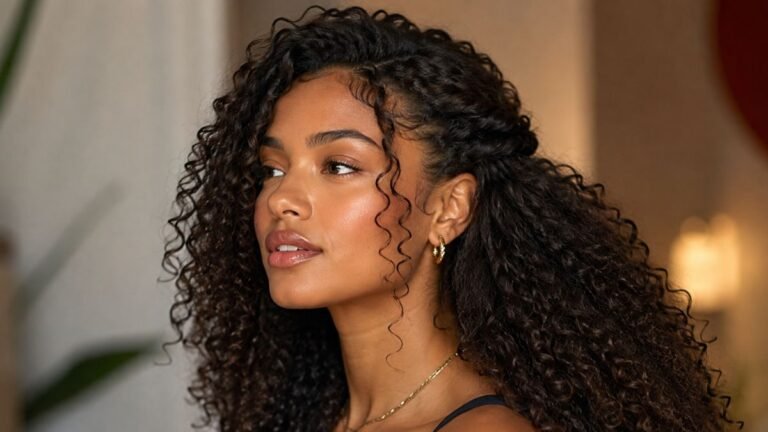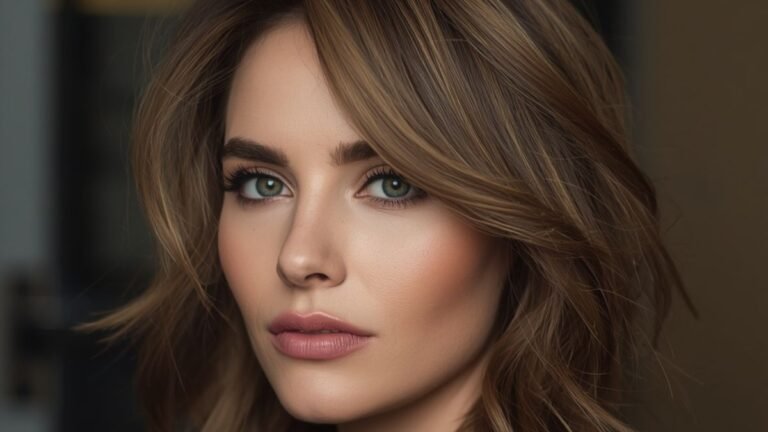

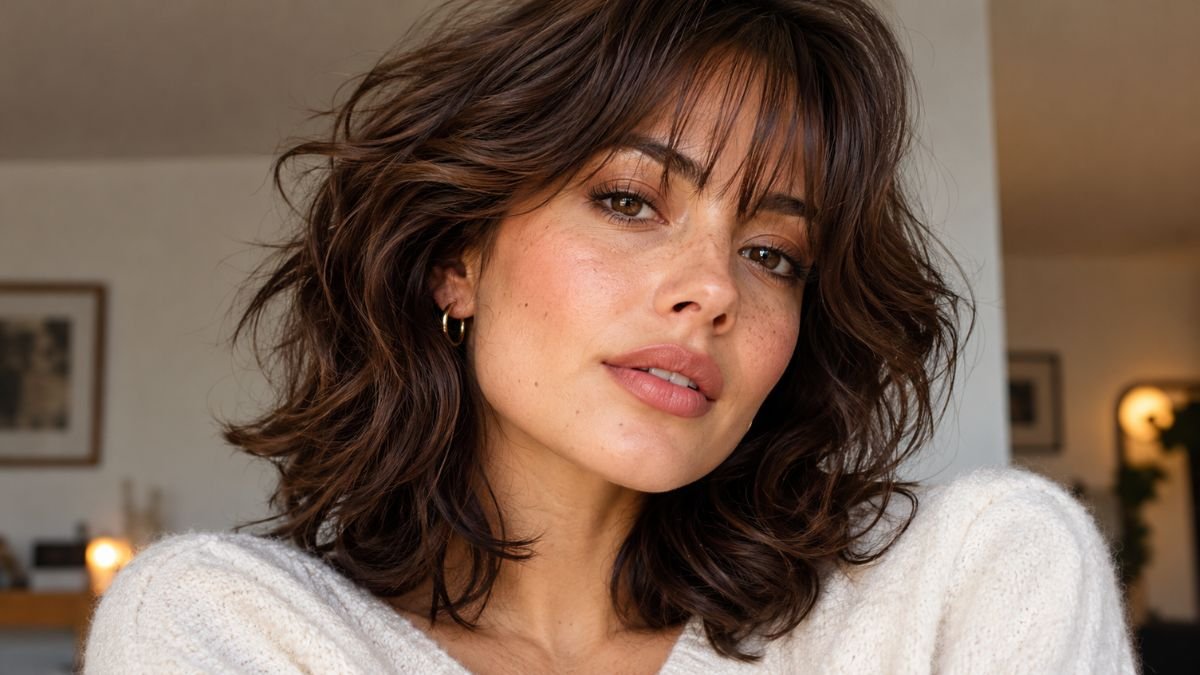
Winter haircuts in 2026 are moving between two compelling directions: clean, deliberate outlines and softer shapes that respond to natural texture. The cherub cut frames curls in a rounded silhouette, while Birkin bangs make a subtle change to longer hair. Precision bobs, collarbone cuts and restrained layers offer alternatives for different lengths and routines.
The most useful starting point is not a trend name but the way a cut behaves on your density, curl pattern and usual styling schedule. These 15 ideas show what to request and where the upkeep differs.
1. The Rounded Cherub Cut
Rounded cheekbone-to-jaw layers shape a soft halo, particularly on waves and curls. Ask for volume around the face without removing too much weight at the ends. Curly clients should discuss shrinkage and a dry-shape check.
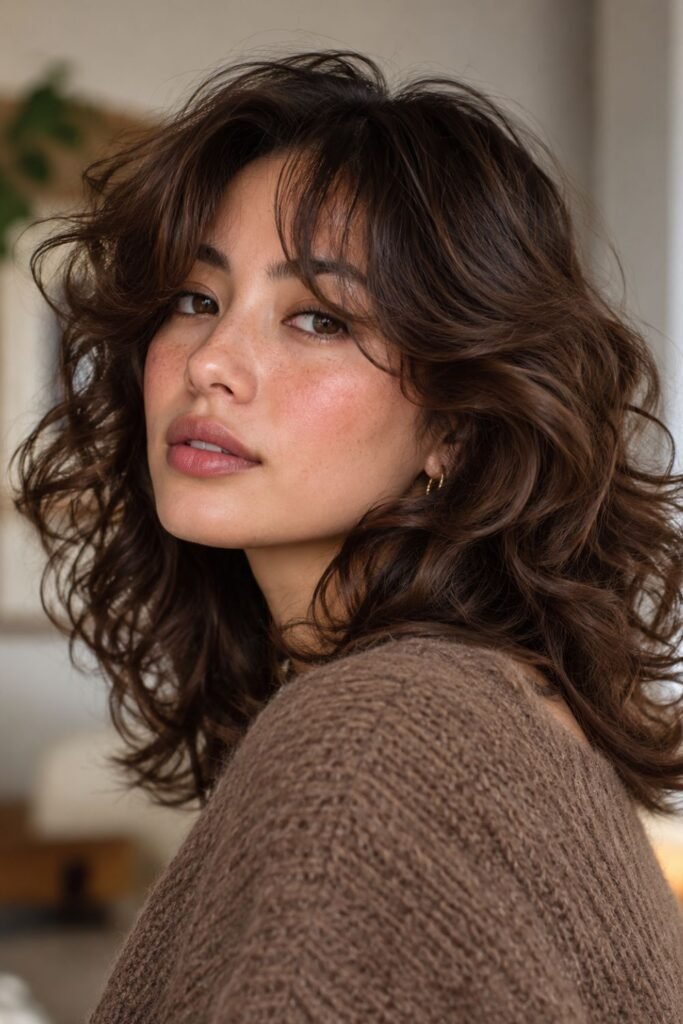
2. Jane Birkin-Inspired Brow-Grazing Bangs
A lightly separated, almost straight fringe sits at the brows, while the lengths remain relaxed. Ask for a fringe that has enough density to register but moves easily; cowlicks may require daily styling.
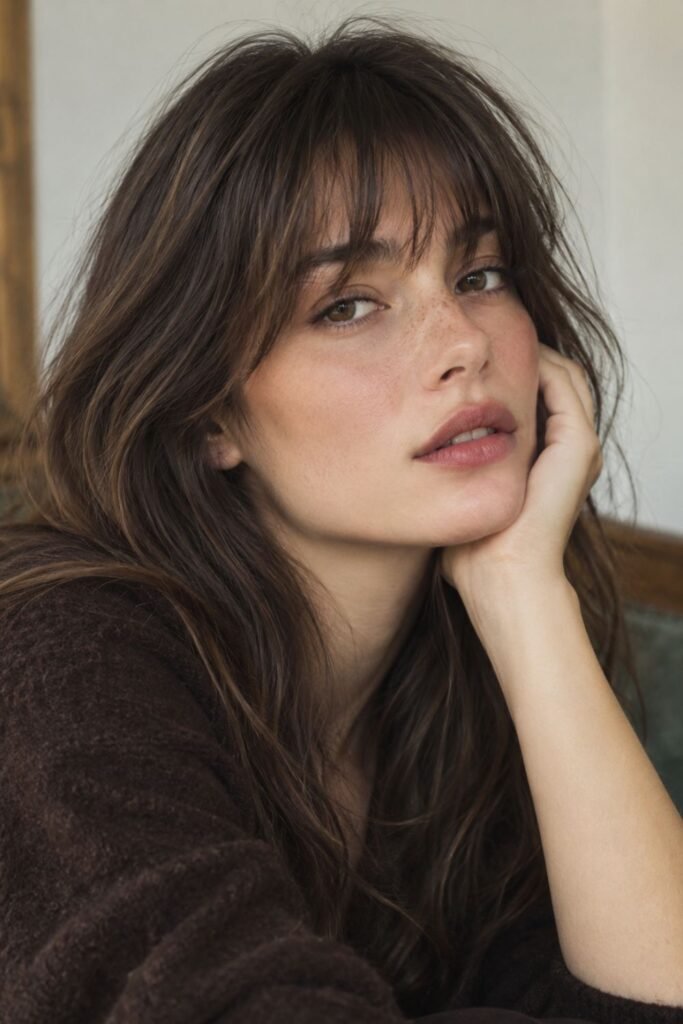
3. The Razor-Sharp Jawline Bob
A precise jaw-length perimeter makes the silhouette intentional. It looks particularly graphic on straight hair, while curls need a customized outline rather than a wet-cut straight line.
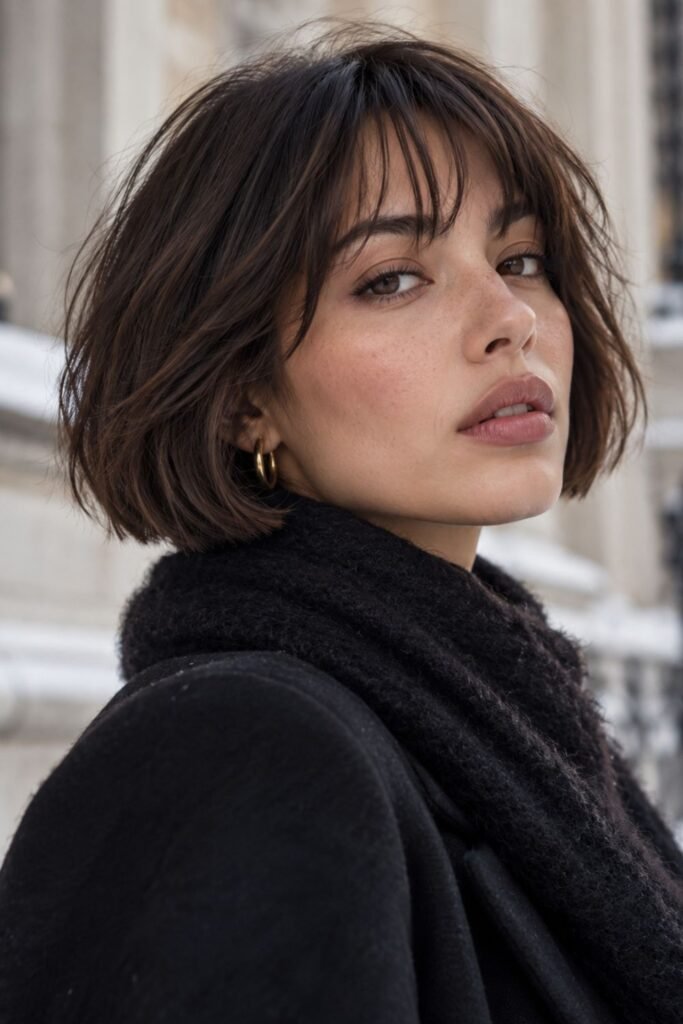
4. Air-Dry Long Layers
Long, restrained layers preserve a full perimeter while releasing movement through the middle. Have the stylist assess natural drying behavior before cutting shorter face-framing sections.
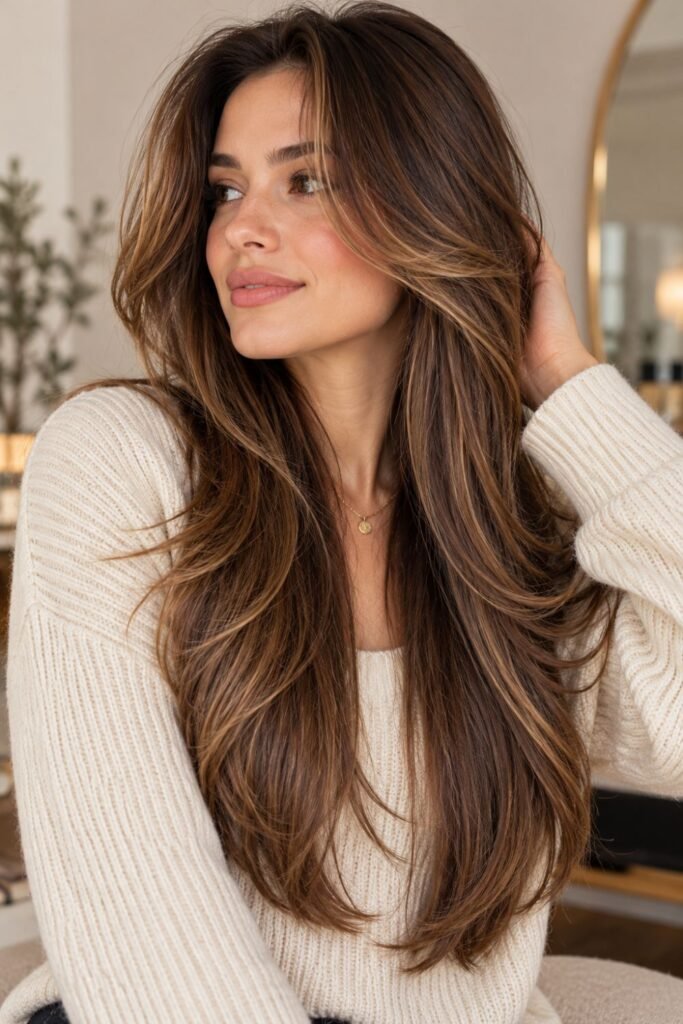
The Collarbone Clavi-Cut
Ends rest at the collarbone, long enough to tie back but short enough to sit cleanly over a coat collar. A subtle inward bend gives shape without a high-maintenance blowout.
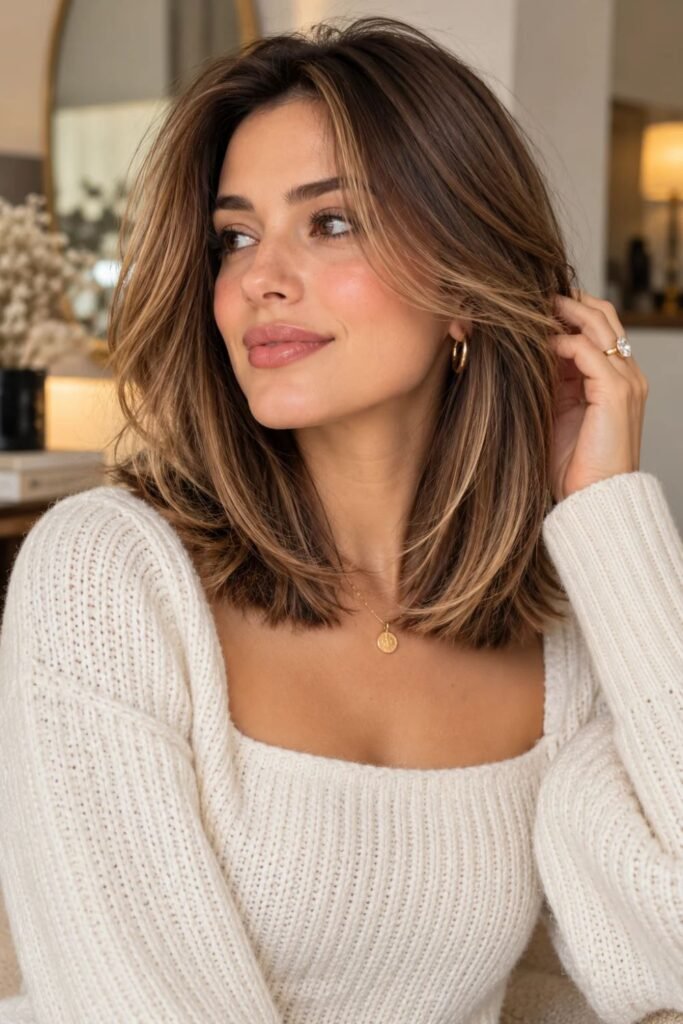
6. The Gentle Jellyfish Cut
Short cheek-level face pieces sit over a longer underlayer, but the separation is softened rather than stark. Request a blended version if you need a work-friendly, easily tied-back shape.
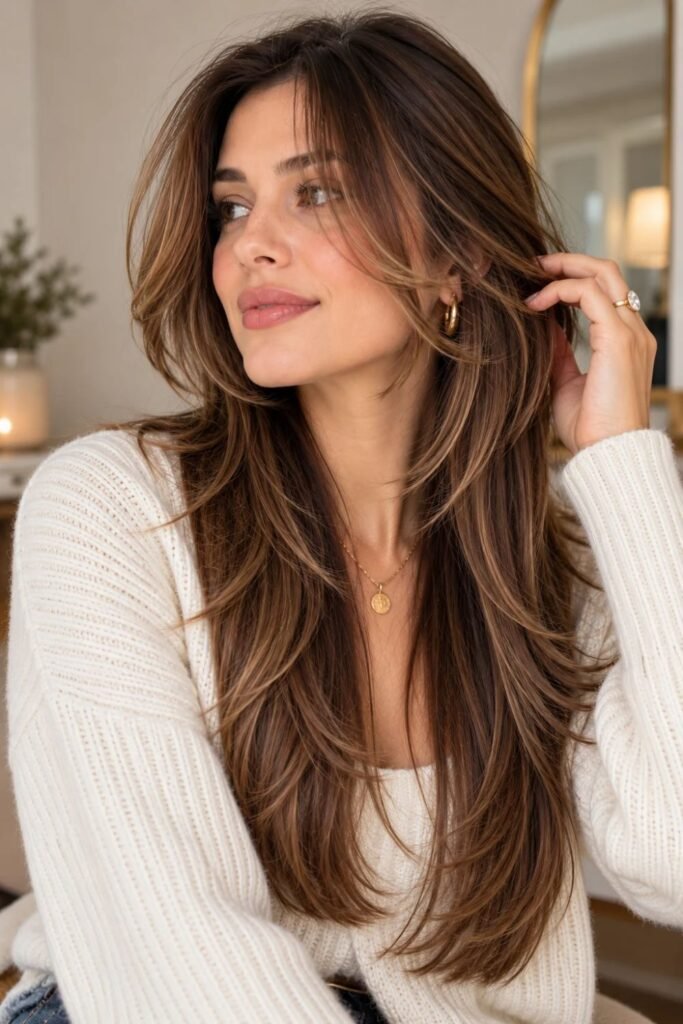
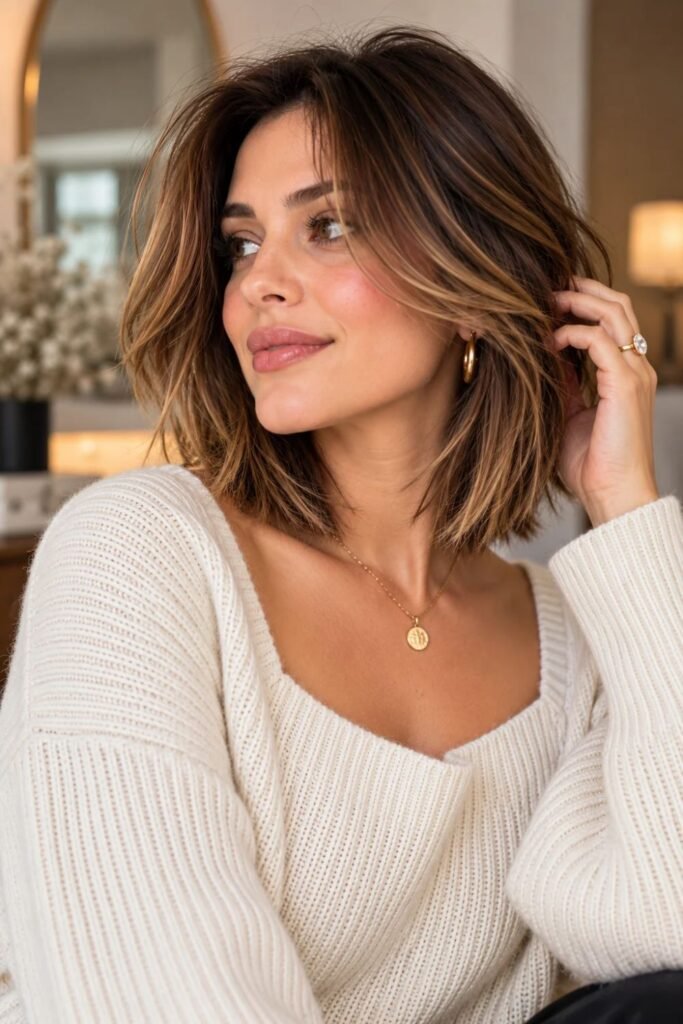
7. A Graduated, Broken-Edge Bob
Subtle nape graduation lifts the back while longer, broken-up front pieces preserve movement. This differs from the blunt bob through its weight distribution and slightly irregular outline.
Related Redounds guide: Asymmetric bob ideas https://redounds.com/beauty/hairstyles/women/asymmetric-bob-ideas/
8. The Lived-In Curly Shag
Crown layers and a curly fringe create a rounded, textured shape without flattening natural curls. The amount of layering should depend on density and shrinkage, not a universal reference photo.
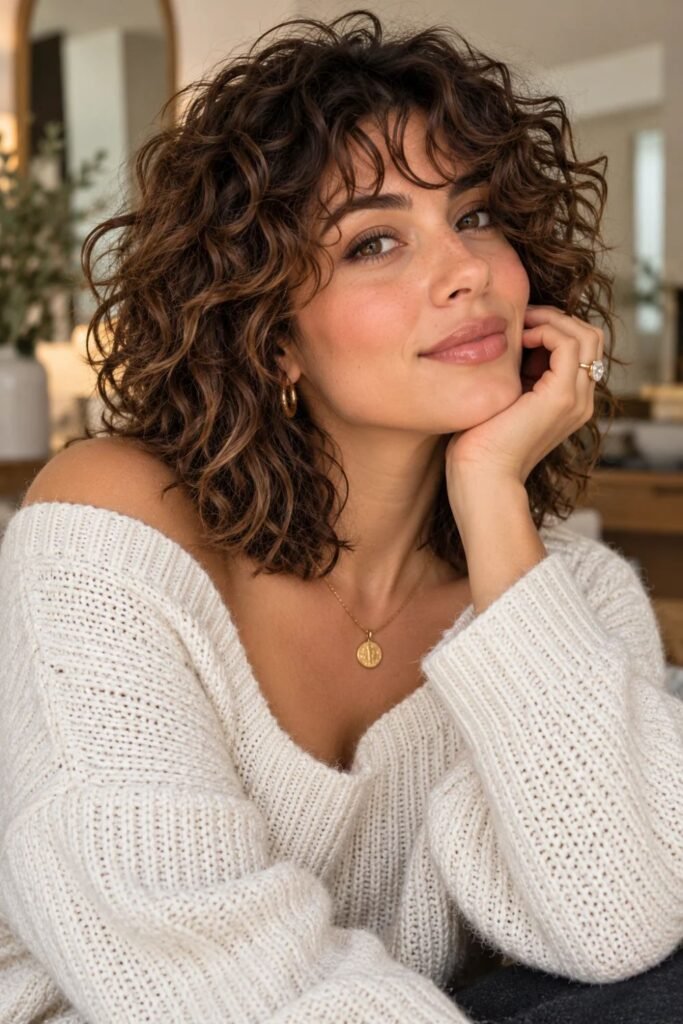
9. The Long U-Shaped Cut
A softly curved back perimeter keeps the center length while giving the sides a gradual rise. It suits those seeking a visible haircut without losing much length.
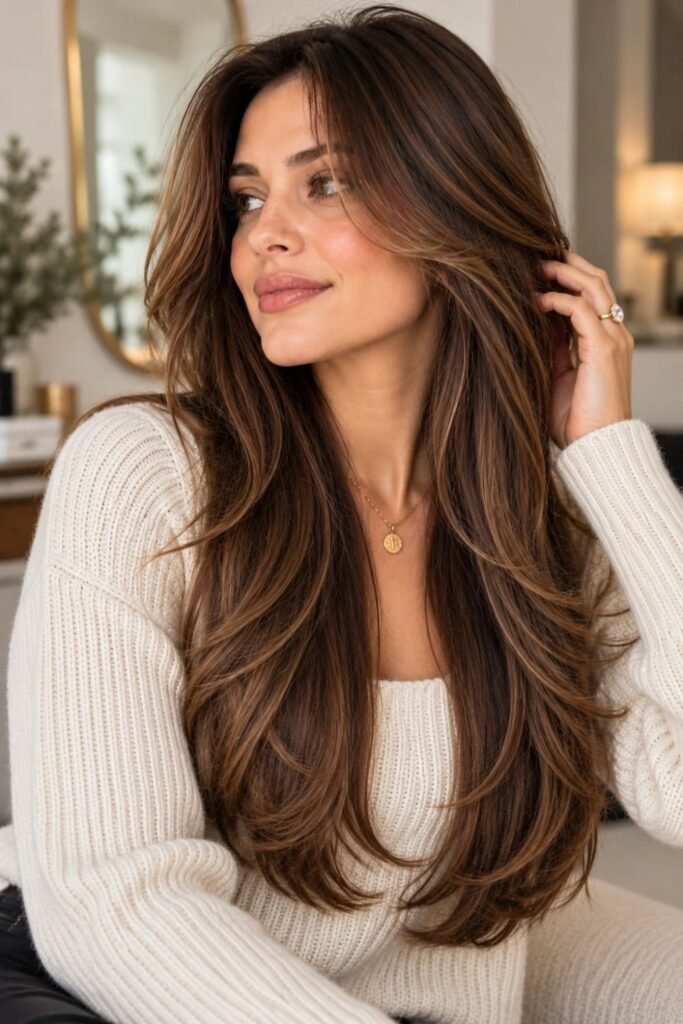
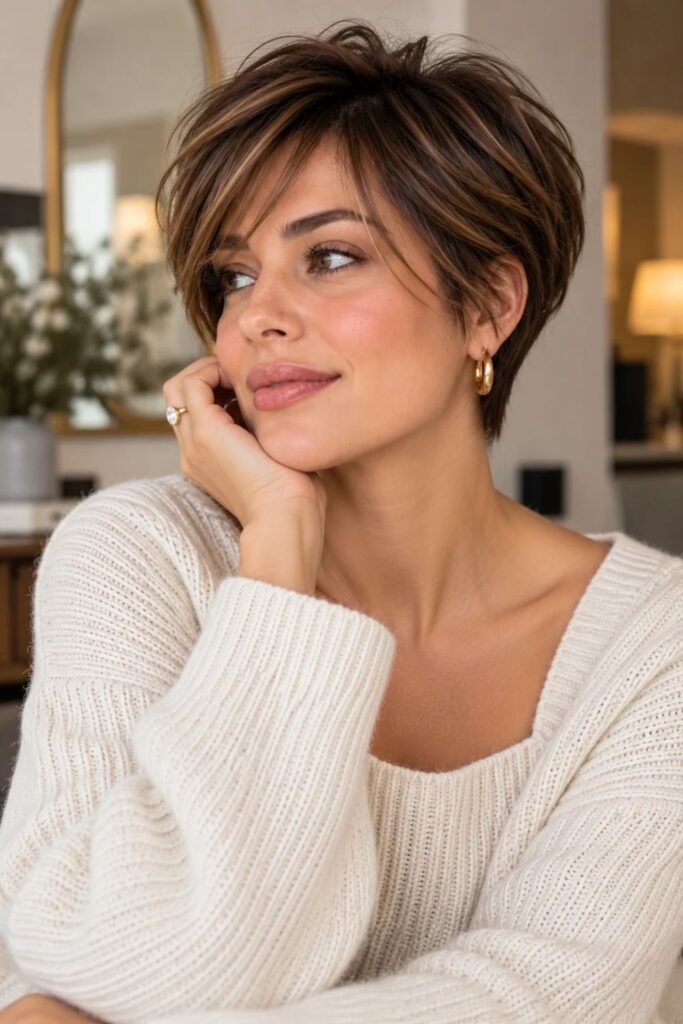
10. The Sleek Rounded Pixie
A compact pixie keeps controlled softness through the crown and temples instead of spiky separation. Discuss how the fringe will sit with your natural growth direction.
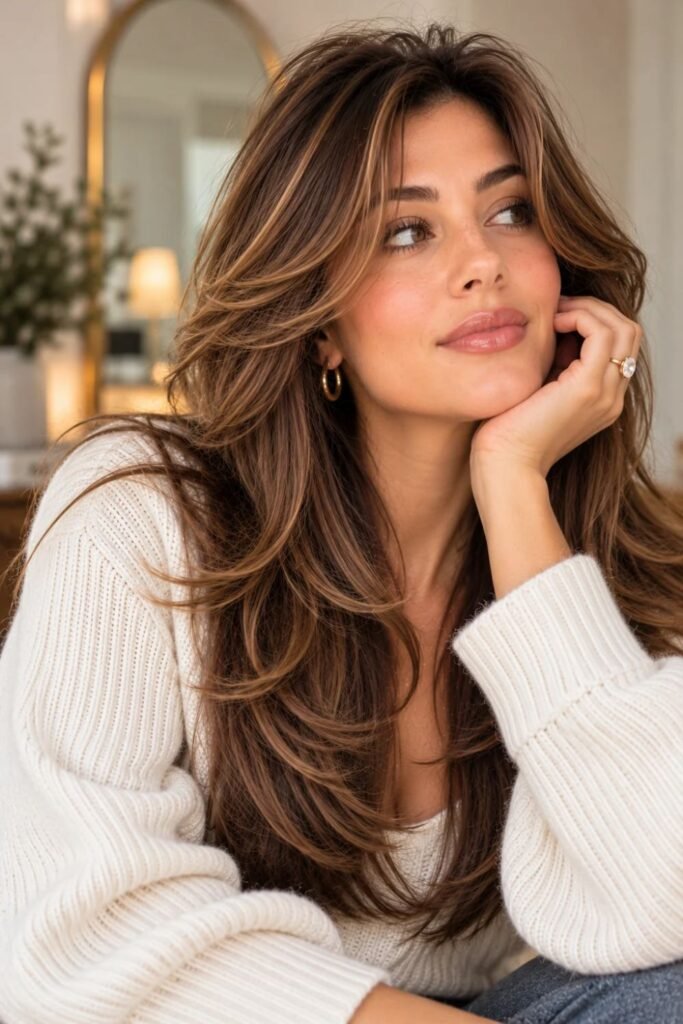
11. Soft 1990s Face-Framing Layers
Long layers around the cheeks and jaw create room for a buoyant blowout. They can also be worn with natural texture, although a full retro finish takes more styling time.
12. The Full-Perimeter One-Length Cut
A strong, nearly unlayered hemline preserves visual density, especially for fine hair. Blunt ends can feel heavy on very dense hair, so internal weight adjustments may be appropriate.

13. Wispy Disconnected Fringe
A light, short fringe sits distinctly apart from longer side sections. It is easier to pin the rest of the hair back while keeping the bangs visible.
Related Redounds guide: Bottleneck bangs https://redounds.com/beauty/hairstyles/women/bottleneck-bangs-ideas/
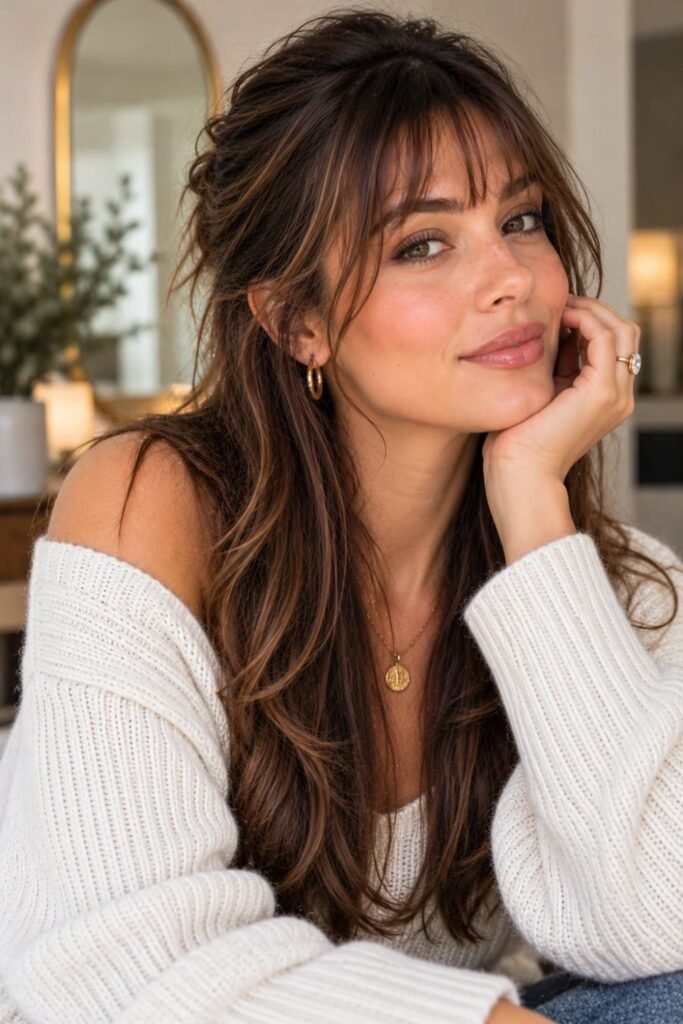
14. The Soft French Bob
A chin-skimming bob with gentle movement and an optional short fringe is less rigid than a precision power bob. Its shape can be adjusted to accommodate waves and natural bend.
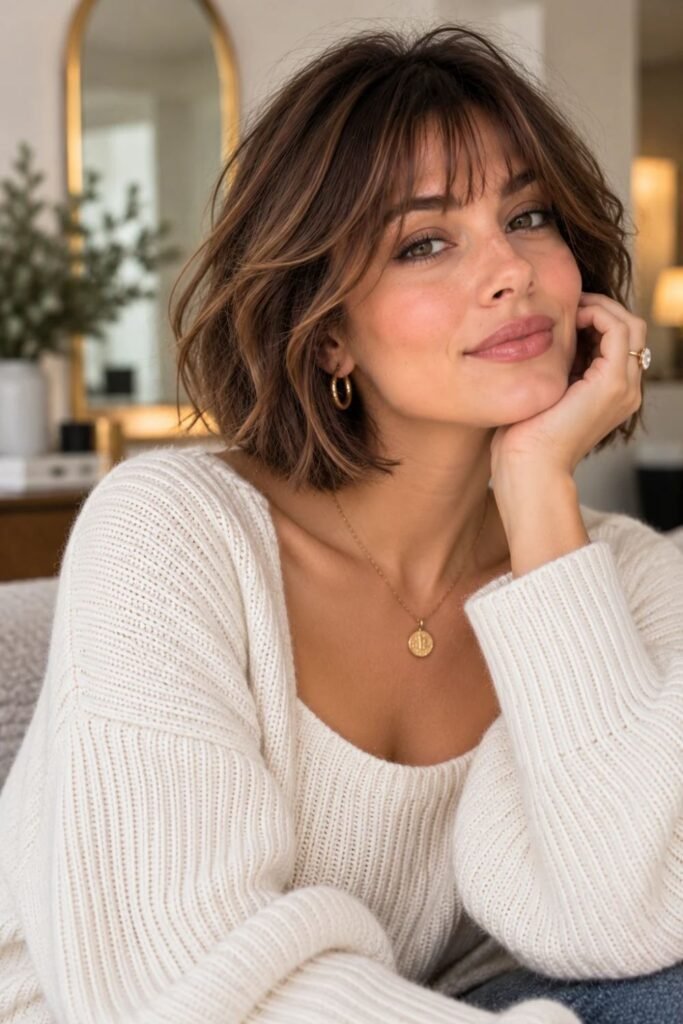
15. Curtain Fringe With a Shoulder-Length Cut
Longer, center-opening bangs merge into a shoulder-length silhouette. Starting at cheekbone length offers more styling flexibility than cutting a short fringe immediately.

Which Cut Fits Your Routine?
| Priority | Consider | Ask your stylist |
| Low daily styling | Air-dry layers, U-cut | Show the hair in its natural dry state |
| Sharp outline | Blunt bob, one-length cut | Discuss perimeter and trim frequency |
| Natural curl shape | Cherub cut, curly shag | Account for shrinkage and density |
| Flexible grow-out | Clavi-cut, curtain fringe | Keep front sections long enough to tuck |
Frequently Asked Questions
What is a cherub cut?
A softly rounded haircut with face-framing layers that create an airy outline. Its exact length and volume placement should be adjusted to natural texture.
Are Birkin bangs the same as curtain bangs?
No. Birkin bangs generally fall forward across the forehead; curtain bangs open from the center and sweep toward the sides.
Which winter haircut is easiest to grow out?
A collarbone cut or long, restrained layers usually offers flexibility because the length can still be tied back.
Can a cherub cut work on straight hair?
Yes, but the rounded effect may need a blow-dry or heat-free set if the hair has little natural bend.
Should curly bangs be cut wet or dry?
A dry-shape assessment is helpful because curls shorten as they dry. Your stylist may combine wet and dry cutting.
Do blunt cuts work on fine hair?
They can create a visually fuller edge by preserving weight at the perimeter, though the best length depends on density.
How often do bangs need trimming?
Fringes often need attention sooner than the rest of the haircut. Timing depends on the desired length and growth rate.
What should I bring to a salon appointment?
Bring front, side and back references, plus a photo of your natural texture and details about your everyday styling routine.
Before Your Appointment
Choose two or three images that show the shape, not just the finish. Tell your stylist how you normally dry your hair, whether you wear hats or scarves, and how often you can return for trims. A good winter haircut should retain its character on an ordinary day, not only after a salon blowout.